



What's Happening?
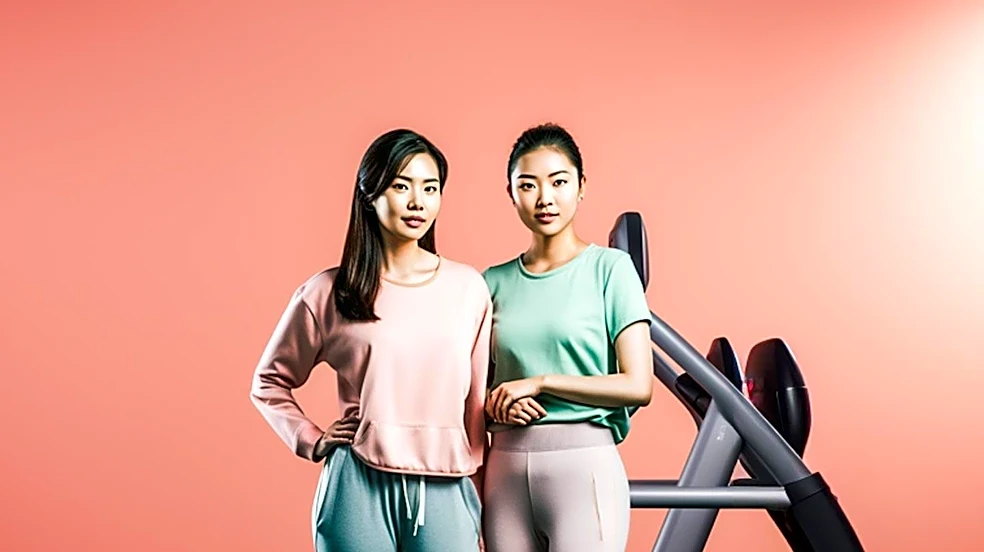
The athleisure market continues to expand, blending athletic wear with everyday leisure and loungewear. This trend emphasizes comfort and versatility, with items like soft joggers, clean hoodies, and simple track jackets becoming staples for daily use
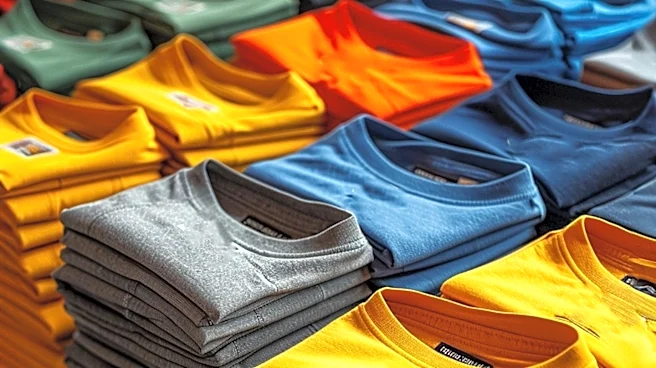
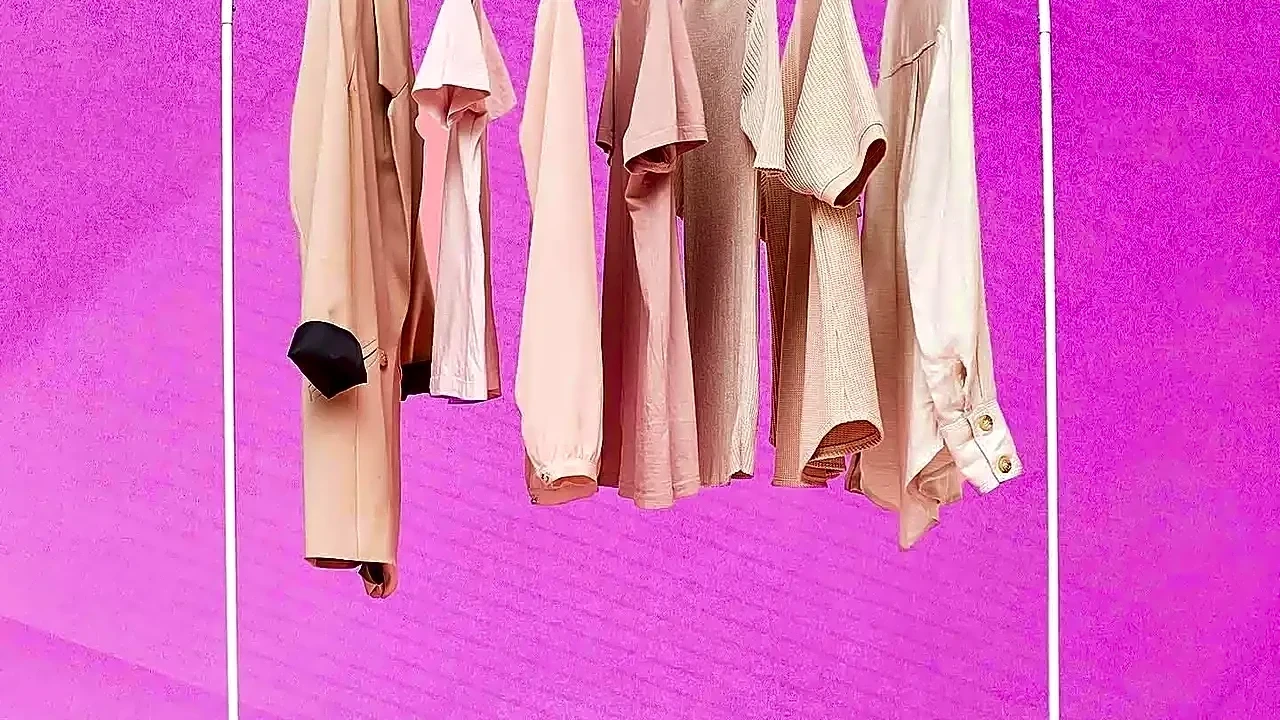
beyond just workouts. Wholesale distributors are increasingly stocking athleisure due to its year-round appeal and broad customer base. Key trends within athleisure include seamless activewear for enhanced comfort and fit, sustainable fabrics made from recycled materials, and performance fabrics designed for moisture-wicking and quick-drying properties. Additionally, there's a growing demand for compression wear, inclusive sizing, and gender-neutral styles to cater to a diverse consumer base. Color trends for the season lean towards soft, earthy tones alongside bold accent colors to offer variety.
Why It's Important?
The sustained growth of athleisure signifies a significant shift in consumer preferences towards comfort and functionality in everyday apparel. This trend impacts U.S. retail and manufacturing sectors, as brands and distributors adapt their product lines to meet demand for versatile clothing. The emphasis on sustainable and recycled fabrics also reflects a broader consumer awareness and demand for eco-friendly products, pushing manufacturers to innovate in material science and production processes. The move towards inclusive sizing and gender-neutral styles promotes greater accessibility and representation in fashion, potentially broadening market reach for brands that embrace these values. For consumers, athleisure offers practical and stylish options that blur the lines between activewear and casual wear, influencing daily fashion choices and purchasing habits.
What's Next?
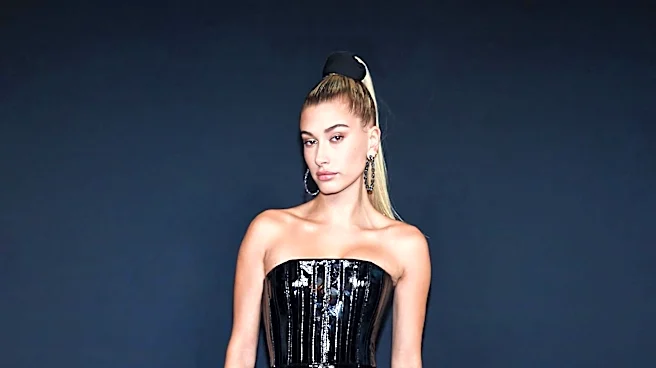
The athleisure market is expected to continue its evolution, with further integration of technology into fabrics for enhanced performance and comfort. Brands will likely focus more on personalized and customizable athleisure options to cater to individual preferences. The push for sustainability will intensify, leading to more widespread adoption of circular economy principles in garment production, such as recycling programs and upcycled materials. Collaborations between fashion designers and athletic brands, similar to Hailey Bieber's collection with Adanola, are likely to become more frequent, bringing high-fashion aesthetics to functional athleisure. Retailers will need to stay agile, continuously updating their inventory to reflect emerging trends in color, style, and fabric innovation to remain competitive.
Beyond the Headlines
The athleisure phenomenon extends beyond mere clothing trends, reflecting deeper societal shifts towards health, wellness, and a more relaxed lifestyle. It challenges traditional dress codes in various settings, from workplaces to social events, promoting a culture where comfort is prioritized without sacrificing style. This shift also has economic implications, as the athleisure market creates new opportunities for startups and established brands alike, fostering innovation in textile technology and supply chain management. Ethically, the focus on sustainable materials and ethical production practices within athleisure can drive positive change across the broader fashion industry, encouraging greater corporate responsibility and transparency. Culturally, athleisure embodies a modern approach to self-expression, where clothing serves both practical needs and personal identity in an increasingly dynamic world.