






What's Happening?
Following the abrupt cancellation of the inaugural L.A. Jazz Festival, local musicians and organizers swiftly put together a pop-up event titled 'Can't Cancel Jazz.' The festival, which was slated to run for 17 days starting August 7 and feature dozens
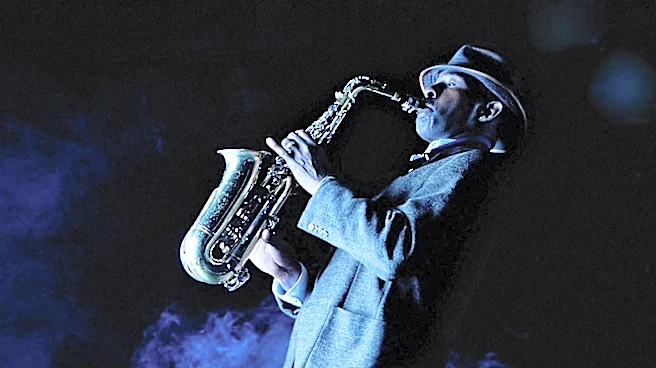
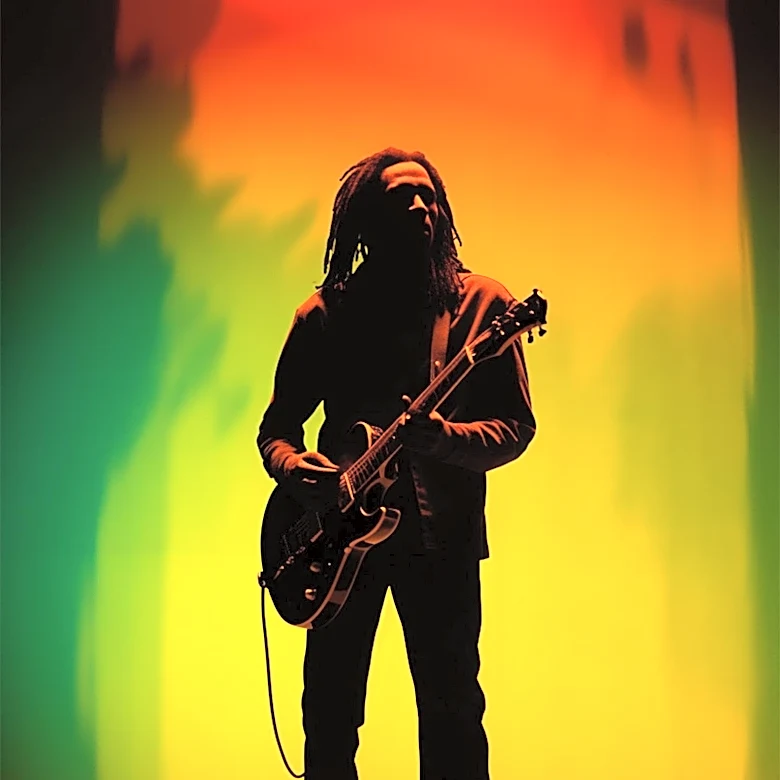
of performances across Los Angeles, was called off due to 'last-minute public safety and municipal costs.' Gengis Don, one of the artists originally scheduled to perform, partnered with Tída Norasingh of JIJI’s Jazz Club to host the impromptu show at Slow Jamz Gallery. Curated in less than 72 hours, the event on Thursday night featured eight jazz artists and groups, including Okay Coleman!, the Don Brown Collective, and Joy Guerrilla, all of whom were set to play at the canceled festival. The pop-up aimed to demonstrate the resilience of the jazz community in Los Angeles.
Why It's Important?
The rapid organization of the 'Can't Cancel Jazz' pop-up highlights the strong community spirit and adaptability within the Los Angeles music scene, particularly among jazz artists. The cancellation of a major festival due to public safety and municipal costs underscores the ongoing challenges faced by large-scale cultural events in urban environments, often involving complex logistics and financial hurdles. For the musicians, the pop-up provided a crucial platform to perform and connect with audiences, mitigating some of the professional and financial impact of the festival's cancellation. The event's success, drawing a significant crowd and fostering an intimate atmosphere, also suggests a demand for accessible, community-driven musical experiences that can thrive outside of large, institutionalized festivals. This initiative could inspire similar grassroots efforts in other cities facing comparable challenges with event planning and funding.
What's Next?
The success of the 'Can't Cancel Jazz' pop-up may encourage more independent, artist-led initiatives in Los Angeles, potentially leading to a decentralized model for music events. Organizers and musicians might explore alternative venues and formats that are less susceptible to the logistical and financial constraints that led to the L.A. Jazz Festival's cancellation. The event's positive reception could also prompt city officials and cultural institutions to re-evaluate their support structures for local artists and smaller-scale events, possibly leading to new partnerships or funding opportunities. The community's strong turnout indicates a clear appetite for jazz music, which could translate into increased support for local jazz clubs and independent promoters. Future efforts might focus on building a more resilient and artist-centric ecosystem for live music in the city.
Beyond the Headlines
The 'Can't Cancel Jazz' event transcends a simple response to a festival cancellation; it speaks to the enduring power of artistic expression and community resilience in the face of systemic obstacles. The pop-up's intimate setting, contrasting with the grand scale of the planned festival, offered a unique and authentic experience that resonated deeply with attendees. This highlights a broader cultural shift towards valuing genuine connection and grassroots movements over large, commercialized events. Ethically, the musicians' proactive response demonstrates a commitment to their craft and their audience, refusing to be silenced by external factors. It also raises questions about the sustainability of large public events and the need for more flexible and community-focused approaches to cultural programming, ensuring that artistic voices can continue to be heard regardless of bureaucratic or financial challenges.