


What's Happening?
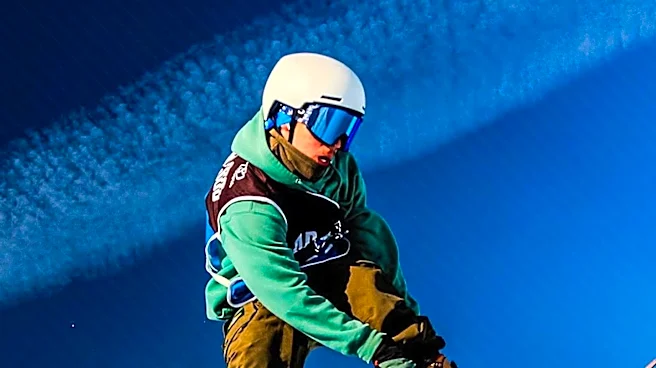
The Snow League, founded by three-time Olympic gold medalist Shaun White, has announced an expanded media rights agreement with NBC Sports for its second season. This partnership will significantly increase live coverage of professional snowboard and freeski
halfpipe competitions across NBC and Peacock, making events more accessible to American and international audiences. For the first time, The Snow League will also livestream every Season Two event on its YouTube channel. The expanded schedule includes a new U.S. stop at Park City Mountain in Utah, alongside the returning event at Buttermilk at Aspen Snowmass. Park City will host its first 22-foot halfpipe since the 2019 FIS World Championships, providing a significant new venue. The season will commence with a World Challenge at Cardrona, New Zealand, on September 18th and 19th, followed by regular season events in Aspen from January 7th to 9th, Park City from January 21st to 23rd, and the championship finale at LAAX, Switzerland, from March 11th to 13th. The inaugural season reached over 8.1 million viewers across five NBC broadcasts in the United States and featured a $2.2 million prize purse.
Why It's Important?
This expansion is crucial for the growth and mainstream appeal of professional snowboarding and freeskiing in the United States. Increased coverage on NBC and Peacock means greater visibility for athletes and the sport, potentially attracting new fans and sponsors. The addition of Park City Mountain as a U.S. venue not only diversifies the competition landscape but also brings high-level events to a location with significant winter sports infrastructure and history. By making events more accessible through streaming on YouTube and traditional broadcast, The Snow League aims to build a global audience and provide a more consistent, season-long narrative for casual fans, addressing a long-standing challenge in action sports. This move could lead to more stable opportunities and better pay for riders, professionalizing the sport further and allowing it to compete more effectively with other major sports leagues for viewership and commercial interest. The league's focus on head-to-head halfpipe competition and season-long standings offers a structured format that can be easily followed by a broader audience.
What's Next?
The Snow League's second season is set to begin with the World Challenge at Cardrona, New Zealand, on September 18th and 19th. Following this preseason event, the regular season will kick off in Aspen in January, move to Park City later that month, and conclude with the championship in LAAX in March. The increased live coverage on Peacock and NBC, along with the new YouTube livestreaming, will be closely watched to gauge its impact on viewership and fan engagement. The success of the new Park City venue will also be a key indicator of the league's ability to expand its footprint within the U.S. winter sports community. Stakeholders, including athletes, sponsors, and media partners, will be observing how the expanded distribution and structured competition format contribute to the league's overall growth and financial viability. The league's ability to maintain athlete satisfaction and integrate community-led projects will also be critical for its long-term success.
Beyond the Headlines
The expansion of The Snow League and its increased media presence highlight a broader trend in action sports to professionalize and create more structured, season-long narratives. This effort aims to bridge the gap between the niche appeal of individual events and the sustained engagement of mainstream sports. However, this push for commercialization also raises questions about maintaining the authentic culture and spirit of snowboarding, which has historically thrived on individuality and a less formalized structure. The challenge lies in balancing growth and mainstream exposure with the sport's unique identity, ensuring that it doesn't become 'bland' in the pursuit of wider appeal. The league's format, with its emphasis on head-to-head competition and season standings, represents a strategic move to make the sport more digestible for a general audience, but it will need to continuously engage with the core snowboarding community to ensure its legitimacy and appeal. The integration of new venues and expanded media deals could also influence the development of future talent and the overall economic landscape for professional snowboarders and freeskiers.