




What's Happening?
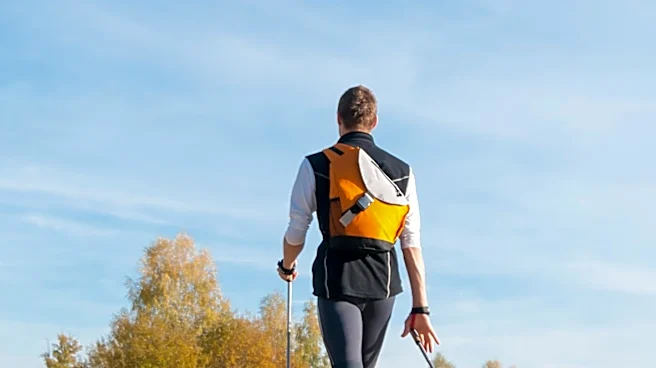
Nordic walking, a form of exercise originating from the Nordic countries, is gaining traction as a comprehensive workout option. This activity involves using specially designed poles to engage the upper body, legs, and core while walking. Initially developed
as off-season training for cross-country skiers, Nordic walking is now popular for its low-impact nature and suitability for various fitness levels. It offers numerous health benefits, including improved balance, reduced joint pressure, and enhanced endurance. The exercise encourages outdoor activity and is accessible to a wide range of individuals, from recreational walkers to those recovering from injuries.
Why It's Important?
The rise of Nordic walking reflects a growing interest in accessible and holistic fitness routines that promote overall well-being. As people seek alternatives to traditional gym workouts, activities like Nordic walking offer a way to incorporate physical activity into daily life. This trend aligns with broader wellness movements emphasizing outdoor exercise and community engagement. For the fitness industry, the popularity of Nordic walking presents opportunities for equipment sales and the development of related programs and classes.
Beyond the Headlines
Nordic walking's emphasis on outdoor activity and community involvement highlights cultural shifts towards integrating wellness into everyday life. This approach challenges the notion that fitness must be confined to gyms, promoting a more inclusive and sustainable model of health. Additionally, the activity's adaptability makes it a valuable option for aging populations and those with mobility concerns, potentially influencing public health strategies and urban planning to accommodate outdoor exercise spaces.