



What's Happening?
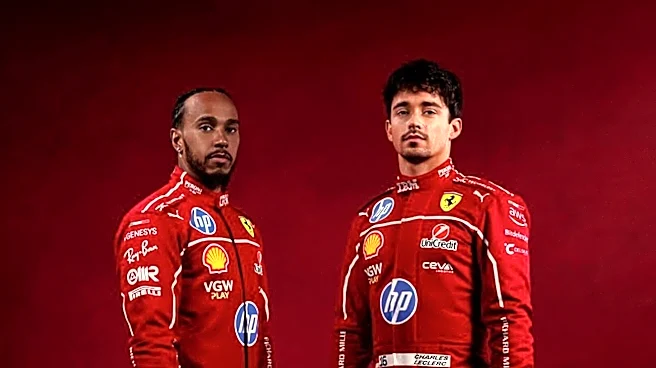
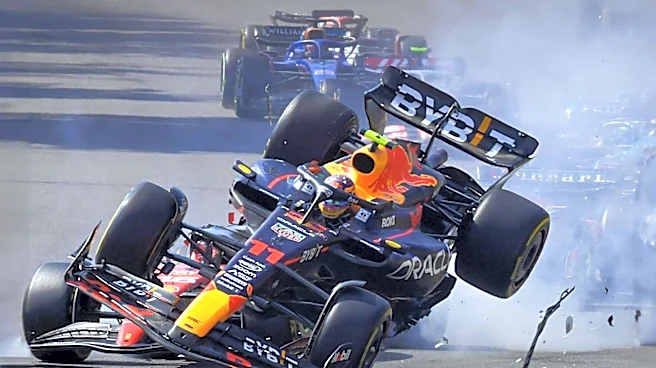
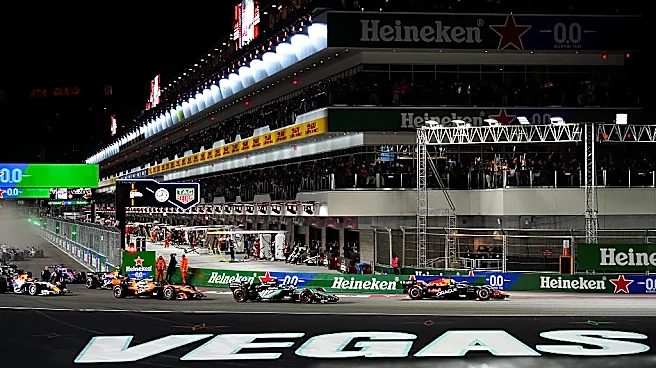
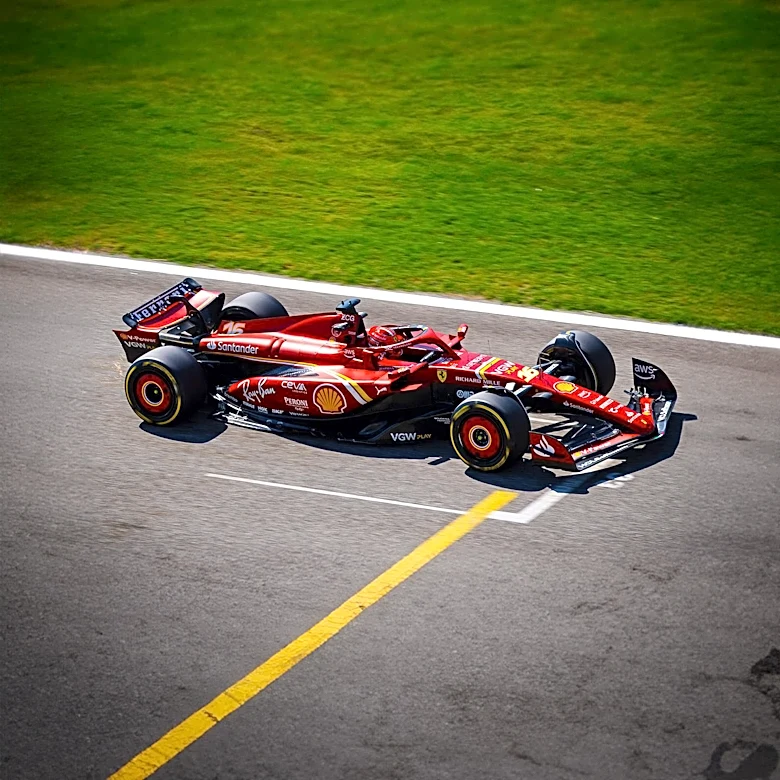
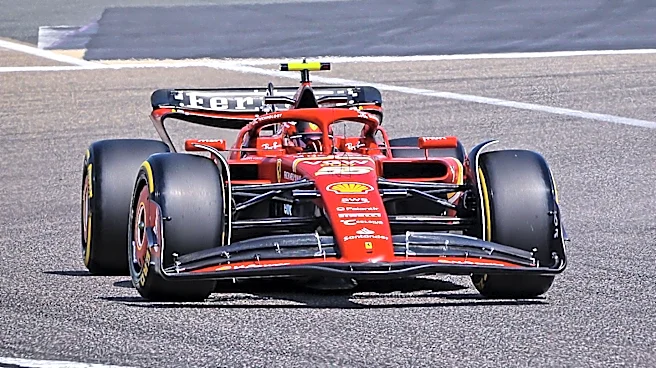
Ferrari is grappling with an escalating driver management crisis as teammates Lewis Hamilton and Charles Leclerc have clashed three times this season, leading to public calls for the team to intervene. The most recent incident occurred at the Las Vegas
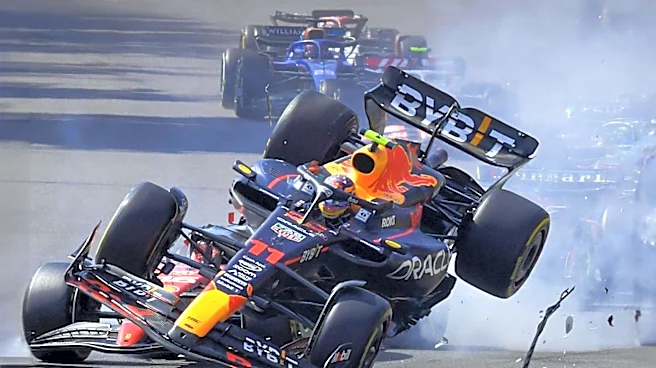
Grand Prix, where Leclerc caused a collision with Hamilton, resulting in a 10-second penalty for Leclerc. This follows a similar incident in Mexico City. Team principal Fred Vasseur has described the situation as 'unmanageable' and admitted to underestimating the tension between the drivers. Both Hamilton and Leclerc have publicly indicated that it is up to Ferrari to establish new rules or a clear hierarchy to prevent future incidents. Ferrari currently holds a 77-point lead over Red Bull in the Constructors' Championship with two races remaining, making the internal conflict a critical issue as they aim to secure their position.
Why It's Important?
The ongoing friction between Ferrari's two star drivers, Lewis Hamilton and Charles Leclerc, poses a significant threat to the team's performance and stability. While Ferrari is on track to secure second place in the Constructors' Championship, the repeated on-track collisions undermine team morale and could jeopardize future results. The public statements from both drivers, essentially asking the team to make a definitive decision on driver hierarchy, highlight the severity of the internal conflict. This situation forces Ferrari to make a difficult choice: either risk alienating one driver by naming a priority or continue to allow them to race freely, potentially leading to more costly incidents. The team's ability to resolve this issue will be crucial for its competitive standing and its pursuit of championship titles in upcoming seasons.
What's Next?
With two races remaining in the season, Ferrari is under pressure to address the driver conflict immediately. While a definitive 'No. 1 driver' declaration might be a long-term solution, the team needs to implement clear guidelines for the upcoming Qatar and Abu Dhabi Grands Prix to prevent further incidents. Team principal Fred Vasseur's admission of underestimating the tension suggests that a more robust strategy is required. Over the winter break, Ferrari will likely need to formalize rules of engagement, define who gets strategic priority in close racing situations, and establish consequences for breaking these rules. The decisions made in the coming weeks and months will shape the team's internal dynamics and competitive approach for the 2027 season and beyond, as both drivers are expected to remain teammates.
Beyond the Headlines
The Ferrari driver dilemma extends beyond immediate race results, touching upon the fundamental philosophy of team management in elite sports. The reluctance to impose strict team orders often stems from a desire to foster pure competition and entertain fans, but it can backfire when drivers' ambitions clash. The current situation at Ferrari highlights the delicate balance between individual driver aspirations and collective team goals. The team's eventual decision—whether to enforce a hierarchy or maintain equal status with stricter rules—will reflect its long-term vision and risk tolerance. This internal struggle could also influence how other Formula 1 teams manage their driver pairings, especially those with multiple championship-caliber talents, setting a precedent for balancing competitive freedom with team success.