

What's Happening?
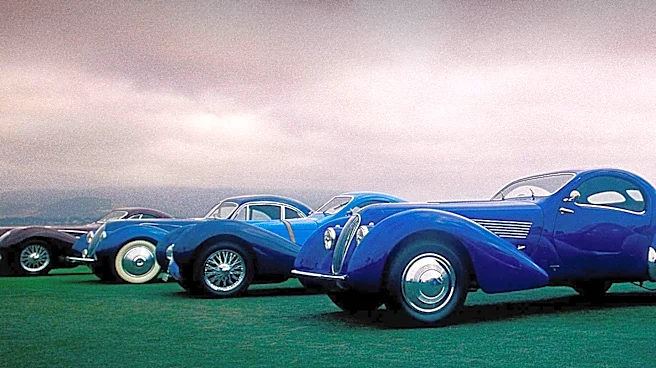
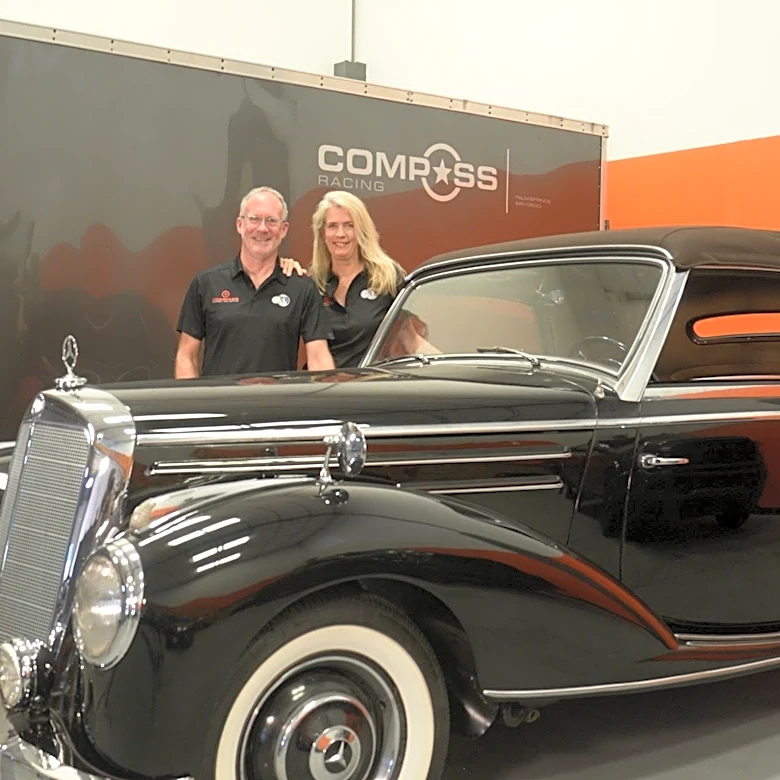
A group of car enthusiasts, including fashion designers, chefs, and athletes, are embracing classic vehicles that offer a tactile driving experience, in contrast to modern automated cars. These individuals value the sensory engagement and mechanical interaction
provided by older cars, such as Porsches, Benzes, and Hondas. The movement is part of a broader cultural appreciation for machinery that resists the trend towards efficiency and automation. Enthusiasts are drawn to the unique characteristics and challenges of maintaining these vehicles, which offer a sense of identity and connection to car culture.
Why It's Important?
The resurgence of interest in classic cars highlights a cultural shift towards valuing authenticity and personal connection in an increasingly automated world. This trend reflects a desire for experiences that engage the senses and offer a break from the impersonal nature of modern technology. It also underscores the enduring appeal of car culture and its ability to foster community and identity. As automation continues to shape the automotive industry, the appreciation for classic vehicles may influence market trends and consumer preferences, potentially impacting the future of car manufacturing and design.
Beyond the Headlines
The embrace of classic cars by diverse individuals suggests a broader cultural movement towards valuing craftsmanship and individuality. This trend may inspire a reevaluation of consumer values, emphasizing quality and personal expression over convenience and efficiency. It also raises questions about the environmental impact of maintaining older vehicles and the balance between preserving cultural heritage and embracing sustainable practices. As car culture evolves, it may continue to challenge societal norms and inspire new forms of creative expression.