
What's Happening?
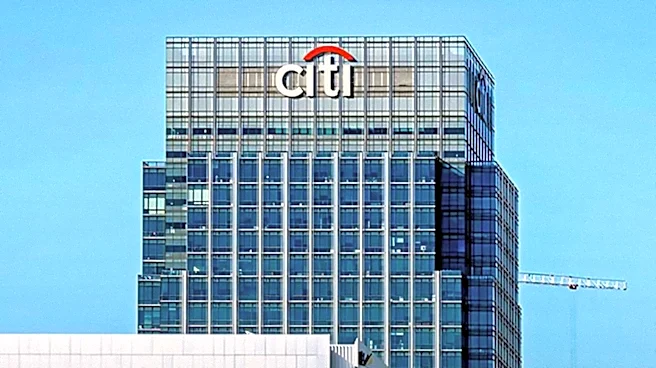
Citigroup has initiated a comprehensive, firm-wide program in 2026 to re-engineer approximately 100 manual processes using artificial intelligence (AI) and automation. This initiative is not merely about
integrating AI tools but involves a fundamental redesign of core operational workflows across the global bank. The goal is to transform how key functions scale, moving beyond simply layering new technology onto existing procedures. This strategic overhaul aims to leverage AI and automation to improve efficiency and productivity within Citigroup's extensive global banking and financial services platform, which connects consumers, corporations, governments, and institutions. The program is being treated as an integrated effort to ensure a cohesive and impactful transformation of the bank's operations.
Why It's Important?
This significant investment in AI and automation by Citigroup underscores a broader trend within the financial industry to enhance operational efficiency and reduce costs. For a global entity like Citigroup, whose value is heavily tied to the seamless execution of transactions, risk checks, and servicing tasks, re-engineering manual workflows with AI directly targets its core mission. This move is expected to bolster the bank's productivity and potentially improve its returns over time, reinforcing its services and digital payments engines. However, such a deep redesign also touches upon existing risk controls, which are closely monitored by regulators. The success of this initiative will depend on whether efficiency gains can be achieved without compromising the integrity of these controls, a balance that will be crucial for investor confidence and regulatory compliance.
What's Next?
The effectiveness of Citigroup's AI overhaul will be closely monitored, with early indicators expected in the bank's 2027 earnings updates. Investors and analysts will be looking for concrete disclosures on metrics such as unit cost per transaction or process cycle times. These figures, alongside commentary on regulatory remediation progress, will reveal whether the integration of AI is successfully improving both efficiency and control simultaneously. The long-term analyst models for Citigroup already suggest a significantly different business landscape in the coming years, indicating that this AI-driven transformation is a critical component of the bank's future strategy. The industry will also observe how Citigroup navigates the regulatory landscape as it implements these changes, particularly concerning the impact on risk management and compliance.
Beyond the Headlines
Citigroup's extensive AI and automation initiative reflects a fundamental shift in how large financial institutions are approaching operational management. Beyond immediate efficiency gains, this transformation could lead to a more resilient and agile banking infrastructure, capable of adapting to rapidly changing market conditions and customer demands. The ethical implications of automating processes that involve sensitive financial data and decision-making will also be a key consideration, requiring robust governance and oversight. Furthermore, the successful implementation of such a large-scale AI program could set a precedent for other global banks, accelerating the adoption of similar technologies across the financial sector and potentially reshaping the competitive landscape. The challenge will be to ensure that technological advancement is balanced with human oversight and accountability, particularly in areas critical to financial stability and consumer trust.