







What's Happening?
Algorithmic trading has become a central component of modern trading strategies, with automation now accounting for over half of all cash market turnover on the NSE. This shift from human to algorithmic trading has been driven by the need for systematic
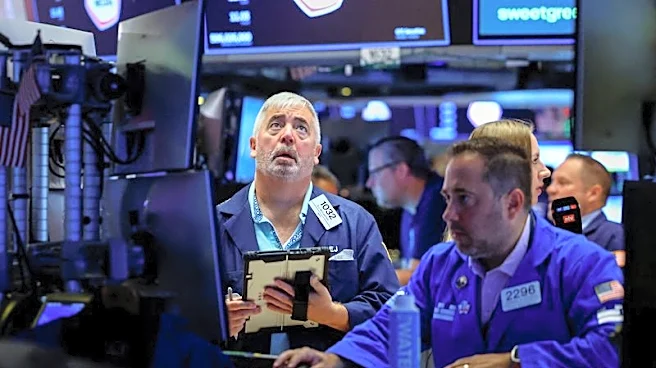
approaches that mitigate human error and enhance efficiency. The New York Stock Exchange, once dominated by human traders, now operates primarily through data centers where trades are executed in microseconds. The Securities and Exchange Board of India (SEBI) has introduced a framework for retail participation in algorithmic trading, indicating its normalization in the trading landscape.
Why It's Important?
The rise of algorithmic trading represents a significant transformation in the financial markets, impacting how trades are executed and strategies are developed. This shift has implications for traders, who must adapt to remain competitive. The introduction of regulatory frameworks for retail algorithmic trading by SEBI highlights the growing acceptance and integration of automation in trading. This evolution necessitates a reevaluation of traditional trading methods and emphasizes the importance of technology in maintaining market efficiency and competitiveness.
What's Next?
As algorithmic trading continues to dominate, traders will need to focus on developing and refining automated strategies to keep pace with market changes. The regulatory landscape may evolve further to address the complexities and risks associated with increased automation. Traders and financial institutions will likely invest in technology and training to enhance their algorithmic capabilities, ensuring they can effectively navigate the modern trading environment.