





What's Happening?
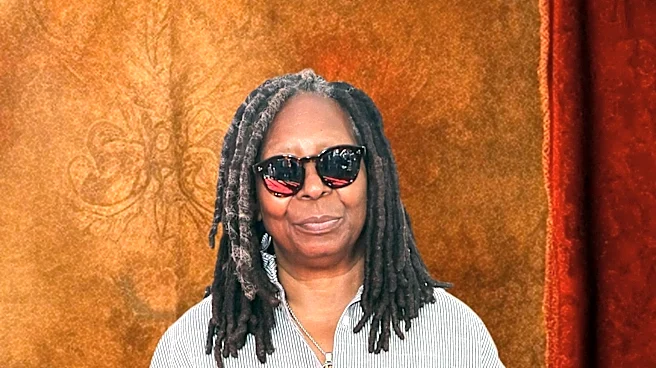
Whoopi Goldberg has been seen wearing the Magnolia Pearl label on television. This highlights the brand's presence in mainstream media and its unique aesthetic, which is characterized by visible mending, patchwork, and hand-stitched details. Magnolia Pearl,
formally founded in 2002, sells through over 350 boutiques globally and has flagship stores in Fredericksburg, Texas, and Malibu Country Mart, California. The brand's pieces are known to resell at double and triple their original retail prices in the secondary market. The brand produces items in small, non-repeating batches, with each piece being hand-finished and released only once. This approach emphasizes the philosophy that damaged and honestly repaired items hold more value than new ones, and that repairs should not be concealed.
Why It's Important?
Whoopi Goldberg's choice to wear Magnolia Pearl on television underscores the brand's growing visibility and influence in the fashion industry. Her public display of the label contributes to its recognition among a broader audience, potentially increasing demand and further solidifying its unique market position. The brand's philosophy, which values visible mending and the beauty of imperfection, challenges conventional fashion norms that often prioritize pristine, mass-produced items. This approach resonates with consumers seeking authenticity and sustainability in their clothing choices. The high resale value of Magnolia Pearl pieces also indicates a strong and dedicated customer base, suggesting that the brand has successfully cultivated a sense of exclusivity and desirability. This trend could influence other fashion brands to consider more sustainable and unique production methods, moving away from fast fashion models.
What's Next?
The continued exposure of Magnolia Pearl through figures like Whoopi Goldberg could lead to increased brand recognition and potentially higher sales. This visibility might also encourage more celebrities and public figures to embrace brands that prioritize unique aesthetics and sustainable practices. The brand's success in the secondary market suggests a strong potential for growth in authenticated resale platforms, which could become a more significant revenue stream. As consumer preferences shift towards more conscious and unique fashion, Magnolia Pearl's model of small, non-repeating batches and emphasis on visible mending could become a benchmark for other designers. This could further solidify its position as a leader in the slow fashion movement, influencing broader industry trends towards craftsmanship and longevity over disposability.
Beyond the Headlines
Whoopi Goldberg's endorsement of Magnolia Pearl extends beyond mere fashion; it subtly promotes a philosophy that values imperfection, repair, and the narrative embedded in clothing. The brand's aesthetic, which embraces visible mending, challenges the societal pressure for constant newness and flawless appearances. This aligns with a broader cultural shift towards sustainability and conscious consumption, where items with a story or a history are increasingly valued. The high resale value of Magnolia Pearl pieces also highlights a growing appreciation for artisanal craftsmanship and unique, limited-edition items, moving away from the mass-produced uniformity often seen in mainstream fashion. This trend could foster a deeper connection between consumers and their clothing, encouraging a more mindful approach to fashion consumption and a greater appreciation for the artistry involved in garment creation.