









What's Happening?
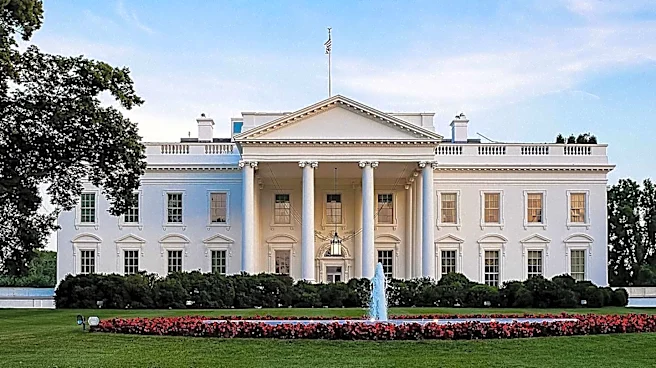
In the United States, philanthropic organizations are increasingly playing a crucial role in funding space science research as federal support faces potential cuts. The White House's fiscal year 2026 budget proposed significant reductions to NASA's budget,
particularly affecting the Science Mission Directorate. Although Congress initially rejected these cuts, the fiscal 2027 request has revived similar proposals, threatening numerous space science missions. In response, private funders like the Schmidt Sciences, Simons Foundation, and Gordon and Betty Moore Foundation are stepping in to fill the gaps. These organizations are investing in projects ranging from new observatories to fellowships for early-career scientists, aiming to sustain and advance space science research despite federal funding uncertainties.
Why It's Important?
The involvement of philanthropic funders in space science is significant as it helps mitigate the impact of potential federal budget cuts on critical research and development. These private contributions ensure the continuation of important scientific missions and the advancement of knowledge in fields like astrophysics and cosmology. By providing 'risk capital,' these organizations support innovative projects that might otherwise be underfunded. This shift highlights the growing reliance on private funding to sustain scientific progress, which could influence the future landscape of research funding in the U.S. and potentially lead to a more diversified funding model for scientific endeavors.
What's Next?
As federal budget discussions continue, the space science community is likely to see increased advocacy efforts to secure government support. Philanthropic organizations may continue to expand their roles, potentially leading to new collaborations and funding models. The ongoing development of projects like the Schmidt Observatory System and the Thirty Meter Telescope will be closely watched as indicators of how private funding can complement or substitute for federal investment. The outcome of these efforts could shape the future of space exploration and research, influencing policy decisions and funding priorities in the years to come.
Beyond the Headlines
The increasing role of philanthropy in space science raises questions about the long-term sustainability of relying on private funding for public scientific research. While these contributions are vital, they may not fully replace the scale and scope of federal support. This trend also highlights broader issues of equity and access in scientific research, as private funding may prioritize certain projects or institutions over others. The potential for philanthropic influence on research agendas and priorities could lead to shifts in the focus of scientific inquiry, with implications for the direction of future discoveries and technological advancements.