






What's Happening?
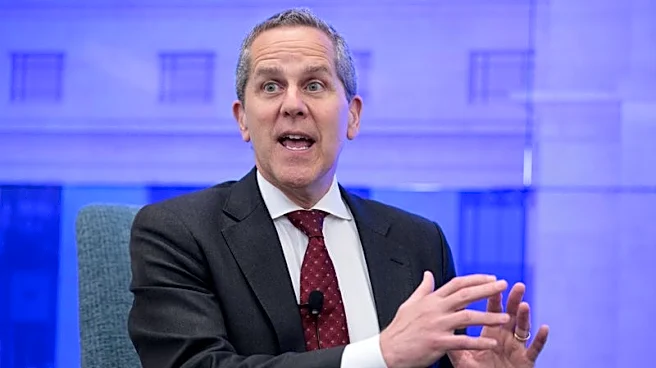
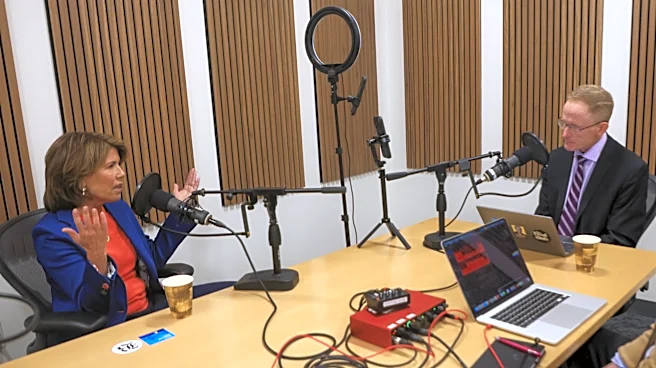
The Brookings Institution's TechTank podcast, hosted by Nicol Turner Lee and Darrell West, recently explored the fairness of the gig economy. This discussion featured guests Makada Henry-Nickie and Aaron Klein. The gig economy encompasses jobs where individuals
are paid based on services, deliveries, or rides, rather than a fixed salary or hourly wage, such as ride-sharing drivers or food delivery personnel. Many individuals are drawn to these roles due to the need for flexible work schedules, the desire for supplemental income, or to accommodate personal responsibilities like caring for children or elderly relatives. However, a central concern highlighted in the podcast is that gig workers often lack access to traditional employment benefits, including healthcare, disability insurance, and retirement matching programs from their employers. The podcast aims to address these challenges by sharing data, ideas, and policy solutions.
Why It's Important?
The discussion surrounding the fairness of the gig economy is crucial for the U.S. workforce and economy. The increasing prevalence of gig work, while offering flexibility, raises significant questions about worker protections and social safety nets. Without access to healthcare benefits, disability insurance, or retirement plans, gig workers may face financial instability and insecurity, potentially leading to increased reliance on public assistance programs. This situation could create a two-tiered labor market, where traditional employees receive comprehensive benefits while gig workers bear the full cost of their own welfare. Addressing these disparities is vital for ensuring a more equitable and sustainable economic future, impacting public policy debates on labor laws, social security, and healthcare reform. The conversation also highlights the need for innovative policy solutions that can adapt to evolving work models while safeguarding worker well-being.
What's Next?
The ongoing dialogue initiated by podcasts like TechTank is likely to fuel further policy discussions and potential legislative actions regarding the gig economy. Stakeholders, including policymakers, labor organizations, and technology companies, will continue to grapple with how to balance the flexibility offered by gig work with the need for adequate worker protections. Future developments could include proposals for new benefit structures tailored to gig workers, such as portable benefits that can be carried across different platforms, or changes to labor classification laws. The outcomes of these discussions will significantly influence the operational models of major gig economy companies and the economic security of millions of workers across the United States. The conversation will also likely involve exploring how to integrate gig workers into existing social safety nets without stifling innovation or the economic opportunities these platforms provide.
Beyond the Headlines
The debate over the gig economy's fairness extends beyond immediate economic concerns, touching upon fundamental ethical and societal questions about the nature of work in the 21st century. It challenges traditional definitions of employment and employer responsibility, prompting a re-evaluation of the social contract between workers and companies. The rise of the gig economy also highlights broader trends in automation and the future of work, where flexible, on-demand labor is becoming increasingly common. This shift could lead to long-term changes in how individuals perceive career stability, financial planning, and the role of government in supporting its workforce. The ethical implications of leveraging a flexible workforce without providing traditional benefits will continue to be a significant point of contention, potentially influencing consumer choices and corporate social responsibility initiatives.