




What's Happening?
Nvidia's stock has experienced a significant downturn, falling 14% on Friday and marking its seventh consecutive weekly decline, the longest such streak since 2008. This has resulted in a $2.6 trillion reduction in the company's market capitalization,
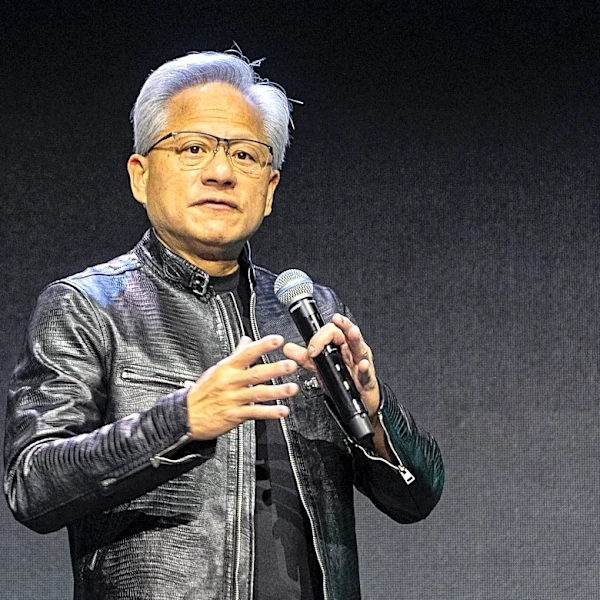
placing it fourth behind Apple, Microsoft, and Alphabet. The decline follows the resignation of co-founder Jensen Huang on November 12, after disclosures of personal behavior deemed inconsistent with company standards. Harvey Jones, Nvidia's newly appointed board chair, confirmed Huang's departure was due to these personal conduct issues. Adding to the company's woes, Reuters reported on Friday that the Securities and Exchange Commission (SEC) is investigating potential accounting issues at Nvidia, further impacting investor confidence. This crisis comes despite a better-than-expected earnings report and increased fiscal 2028 guidance, with interim CEO Colette Kress projecting 75% revenue growth for the next fiscal year.
Why It's Important?
The significant drop in Nvidia's stock and the ongoing leadership crisis have substantial implications for the technology sector and the broader U.S. economy. Nvidia has been a dominant force in the AI chip market, with its business largely built around the AI trade since the launch of OpenAI's ChatGPT four years ago. The departure of its visionary leader, Jensen Huang, raises questions about the company's ability to maintain its innovation and market lead, especially with emerging competition from Google and AMD. The SEC investigation into potential accounting issues further erodes investor trust and could lead to regulatory penalties, impacting the company's financial stability and reputation. This situation highlights the vulnerability of even market-leading companies to leadership controversies and regulatory scrutiny, potentially influencing investment strategies across the tech industry and prompting closer examination of corporate governance.
What's Next?
Nvidia faces immediate challenges in stabilizing its stock and restoring investor confidence. Interim CEO Colette Kress and the new board chair, Harvey Jones, will need to demonstrate strong leadership and a clear strategic direction to navigate the company through this period. The ongoing SEC investigation will be a critical factor, with its outcome potentially dictating future regulatory actions and financial penalties. Investors will closely monitor any developments regarding the accounting probe and the company's plans for a permanent CEO. Nvidia's ability to continue innovating in the highly competitive AI chip market without its co-founder will also be under scrutiny. The company's decision to move its yearly review process, which can include stock awards, from March to December, suggests an effort to address internal morale and retain talent amidst the turmoil.
Beyond the Headlines
The events at Nvidia underscore the complex interplay between corporate leadership, personal conduct, and market valuation. The resignation of a co-founder due to 'personal behavior inconsistent with the company's code of conduct' highlights the increasing importance of ethical leadership and corporate governance in the public eye. The alleged involvement of a Chinese businesswoman who was reportedly a spy adds a layer of geopolitical sensitivity, potentially raising concerns about national security and corporate espionage within the tech industry. This situation could prompt other companies to review their internal policies regarding executive conduct and foreign interactions. Furthermore, the market's reaction to Nvidia's challenges, despite strong financial performance, illustrates how non-financial factors, such as leadership stability and regulatory compliance, can profoundly impact a company's valuation and future prospects.