





What's Happening?
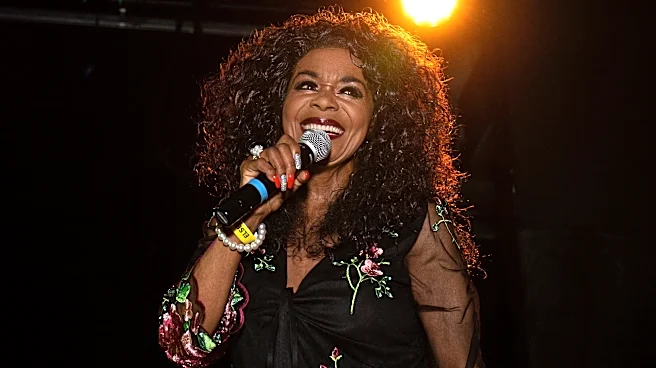
Rochelle Fleming, the lead singer of First Choice, passed away at the age of 72. Her death has brought renewed attention to her signature song, "Let No Man Put Asunder." The title of the song is directly derived from Scripture, echoing Matthew 19:6 and
Mark 10:9, which state, "What therefore God hath joined together, let not man put asunder." These words are frequently heard at wedding ceremonies. First Choice originally released the song in 1977 on their album "Delusions." While the title references marriage, the song's lyrics focus on a woman grappling with her husband's departure. The track achieved its broadest popularity in 1983 after being remixed by DJs Shep Pettibone and Frankie Knuckles. Knuckles' sets in Chicago clubs were instrumental in establishing it as a house-music favorite. According to the group's artist biography, over 200 artists, including Moby, Hot Chip, and Ice Cube, have sampled the song. Fleming died on November 5 in Philadelphia, though her cause of death has not been disclosed. Her family announced that she brought "light, laughter and love" to the world, and her church, Christian Hope Baptist Church, acknowledged her as one of their own.
Why It's Important?
The resurgence of interest in "Let No Man Put Asunder" highlights the enduring cultural impact of disco and house music, particularly the foundational role played by artists like Rochelle Fleming and DJs such as Frankie Knuckles. The song's journey from a 1977 album track to a house music anthem sampled by numerous artists demonstrates its timeless appeal and influence across different musical genres. This renewed attention also underscores the significant contributions of Black female artists to American music history, often overlooked in mainstream narratives. The song's lyrical content, despite its biblical title, resonates with universal themes of love, loss, and heartbreak, making it relatable to a wide audience. Furthermore, the story of its popularization through club culture in cities like Chicago illustrates the power of grassroots movements and DJ culture in shaping musical trends and creating lasting legacies. The song's continued relevance decades after its release speaks to its artistic merit and its ability to connect with new generations of listeners.
What's Next?
Following Rochelle Fleming's passing, her family has indicated that details regarding her services will be announced at a later date. The renewed attention to "Let No Man Put Asunder" may lead to increased streaming and sales of the song, potentially introducing her work to a new generation of listeners. Tributes from fellow artists, such as Sister Sledge, are likely to continue, further solidifying Fleming's legacy within the music industry. Music historians and critics may also revisit her contributions and the impact of First Choice on disco and house music. This period could also see a rise in discussions about the intersection of faith and popular music, given the song's biblical origins. The ongoing recognition of her work could inspire documentaries, retrospectives, or further academic studies on her career and the broader cultural movements she influenced.
Beyond the Headlines
The story of "Let No Man Put Asunder" extends beyond its musical success, touching upon themes of faith, personal interpretation, and the evolution of cultural narratives. While the song's title is a direct quote from Scripture concerning the sanctity of marriage, its lyrical content explores the pain of separation, offering a secular interpretation of a sacred phrase. This duality highlights how religious texts can be recontextualized and find new meaning within popular culture. The song's enduring popularity in house music, a genre often associated with inclusivity and community, further demonstrates its ability to transcend its original context and resonate with diverse audiences. The fact that over 200 artists have sampled it speaks to its foundational status and its role as a cultural touchstone, influencing subsequent generations of musicians across various genres. This phenomenon underscores the complex interplay between art, spirituality, and societal shifts, revealing how a single piece of music can carry multiple layers of meaning and impact.