




What's Happening?
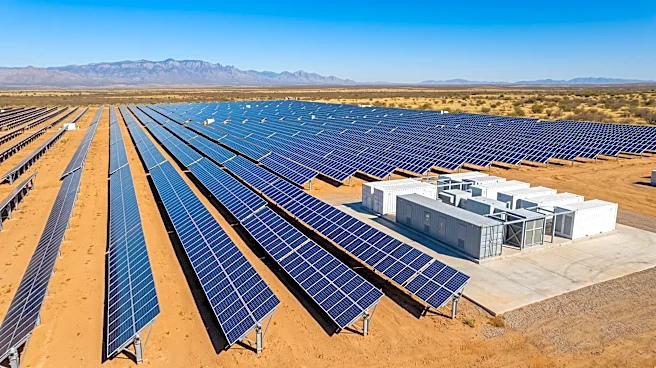
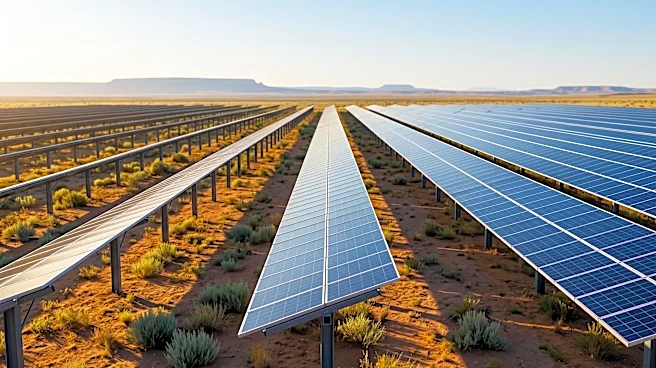
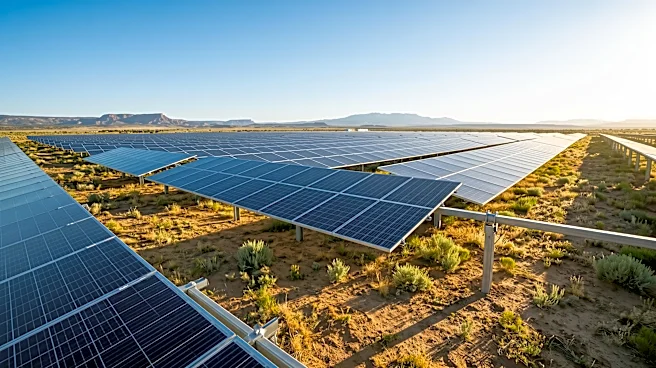
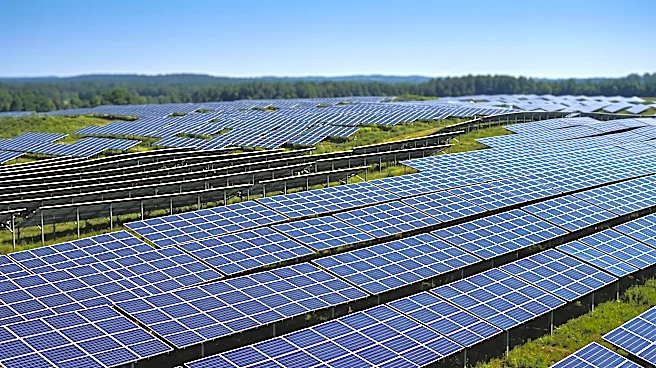
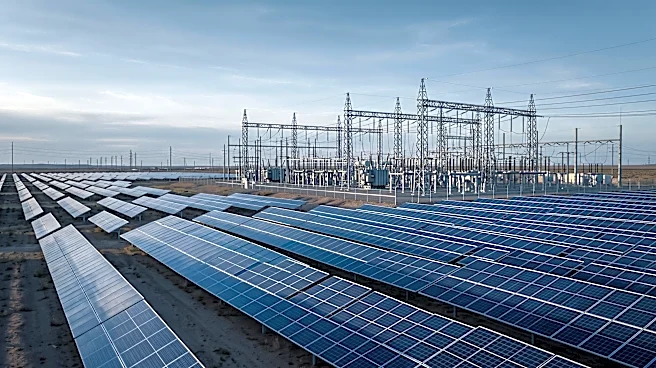
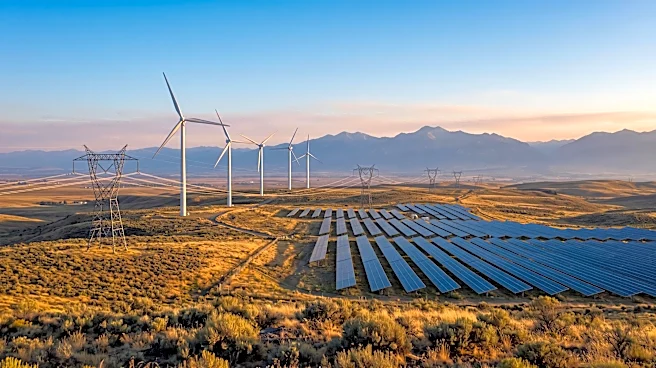
Orsted has commenced construction on the Blackwater Solar project in Roosevelt County, New Mexico. This 200 MW solar facility is designed to generate electricity sufficient for over 56,000 homes within the Southwest Power Pool. The project is anticipated
to contribute approximately $18 million in property tax revenue throughout its operational lifespan. This development signifies Orsted's expanded focus on U.S. onshore renewable energy, integrating another large-scale asset into its growing portfolio. The Blackwater Solar project is a key component of Orsted's strategy to build out its onshore renewables capacity, alongside its existing offshore wind and other solar ventures. While the company is currently operating at a loss, with a recent deficit of DKK 3,118m, forecasts project an annual earnings growth of 33.9% and a return to profitability within three years. The Blackwater Solar project, though significant, is one of many initiatives aimed at achieving this financial turnaround and strengthening the company's position in the renewable energy market.
Why It's Important?
The Blackwater Solar project is important for several reasons, particularly for the U.S. renewable energy sector and local economies. The 200 MW capacity will add a substantial amount of clean energy to the Southwest Power Pool, contributing to grid stability and reducing reliance on fossil fuels. This aligns with broader U.S. goals for energy independence and decarbonization. Economically, the project is expected to generate approximately $18 million in property tax revenue for Roosevelt County, providing a significant boost to local public services and infrastructure. For Orsted, this project reinforces its commitment to the U.S. market and its strategy of expanding its onshore renewables portfolio. Successful execution of projects like Blackwater Solar is crucial for Orsted to achieve its projected earnings growth and return to profitability, demonstrating the viability of large-scale renewable energy investments. The project also highlights the increasing trend of utility-scale solar development in the U.S., attracting further investment and job creation in the renewable energy sector.
What's Next?
Following the commencement of construction, the next phase for the Blackwater Solar project will involve its development and eventual commissioning. Orsted will focus on the timely and efficient completion of the 200 MW facility, ensuring it integrates seamlessly into the Southwest Power Pool. The project's progress will be closely watched as a benchmark for Orsted's broader U.S. onshore renewables expansion. The company's ability to deliver this project on schedule and within budget will be critical for its financial recovery and investor confidence, especially given its current unprofitable status. Furthermore, the successful operation of Blackwater Solar will contribute to Orsted's long-term goal of achieving consistent cash generation from its capital-intensive renewable energy build-out. The project's impact on local tax revenues will also be monitored, providing a tangible benefit to the community in New Mexico. Future developments may include additional power purchase agreements or further expansion of Orsted's renewable energy footprint in the U.S., contingent on the success of current projects and market conditions.
Beyond the Headlines
The Blackwater Solar project represents more than just a new power plant; it signifies a deeper shift in the U.S. energy landscape towards decentralized, renewable energy sources. The project's long-term local tax benefits underscore the economic advantages that renewable energy developments can bring to rural communities, fostering local support and creating a sustainable revenue stream. This model of integrating large-scale renewable projects with local economic development is crucial for the broader acceptance and acceleration of the energy transition. Ethically, such projects raise questions about land use and environmental impact, requiring careful planning and community engagement to ensure equitable benefits and minimal disruption. The project also highlights the evolving investment narrative in the energy sector, where companies like Orsted are navigating a transition from traditional energy sources to a future dominated by renewables, often involving initial losses for long-term gains. This strategic pivot reflects a global commitment to climate action and the increasing financial viability of renewable energy technologies.