









What's Happening?
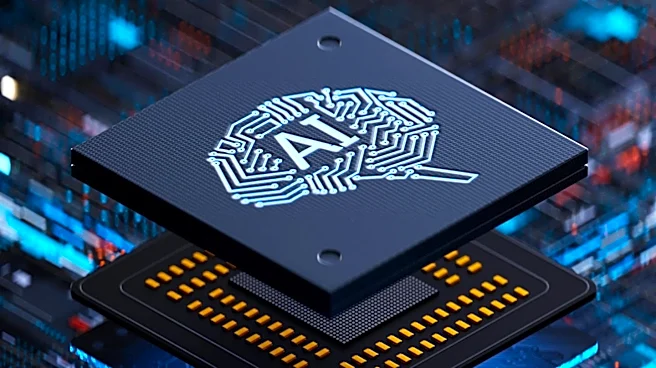
The integration of artificial intelligence (AI) into offshoring practices is set to enhance efficiency rather than render the practice obsolete. AI addresses significant challenges in offshoring, such as time zone differences, cultural misunderstandings,
and communication barriers. For instance, AI can provide instant answers to frequently asked questions, eliminating the need for offshore teams to wait for responses due to time zone differences. Additionally, AI can act as a cultural filter in communications, preventing potential miscommunications. The technology also automates feedback loops, which can be a cultural challenge, as offshore workers may be hesitant to seek feedback. Furthermore, AI is elevating the complexity of tasks that offshore teams can handle by automating repetitive tasks, thus allowing offshore workers to focus on more complex tasks. This shift is freeing up U.S. counterparts to engage in higher complexity tasks, enhancing overall productivity.
Why It's Important?
The use of AI in offshoring has significant implications for the U.S. economy and global business practices. By addressing communication and cultural barriers, AI makes offshoring more efficient and attractive to U.S. firms, potentially leading to cost savings and increased competitiveness. This development could result in a shift in the labor market, with offshore teams taking on more complex roles traditionally held by U.S. workers. Additionally, AI's ability to streamline processes and improve efficiency could lead to increased profitability for firms that adopt these technologies. The integration of AI into offshoring practices also highlights the growing importance of technology in global business operations, emphasizing the need for workers to be AI-ready and capable of working alongside these tools.
What's Next?
As AI continues to integrate into offshoring practices, firms may increasingly rely on offshore teams for more complex tasks, potentially leading to a reevaluation of workforce roles and responsibilities. U.S. firms might focus on upskilling their workforce to work effectively with AI, ensuring they remain competitive in a technology-driven market. Additionally, the cost savings and efficiency gains from AI-enhanced offshoring could encourage more firms to adopt these practices, potentially leading to a broader shift in global labor dynamics. The continued development of AI technologies will likely further enhance the capabilities of offshore teams, making them an integral part of business operations.
Beyond the Headlines
The integration of AI into offshoring practices raises ethical and cultural considerations. As AI automates more tasks, there may be concerns about job displacement and the need for reskilling workers. Additionally, the use of AI as a cultural filter in communications highlights the importance of understanding and respecting cultural differences in global business operations. Firms will need to navigate these challenges carefully to ensure that AI is used ethically and effectively, balancing efficiency gains with the need to maintain a diverse and inclusive workforce.