


What's Happening?
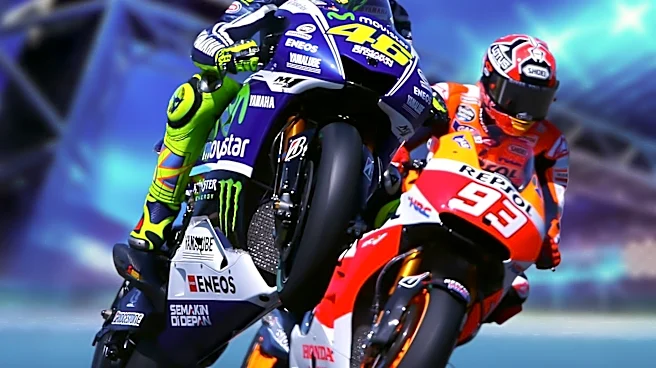
British Superbike rider Scott Redding has faced a strong rebuke from renowned Spanish journalist Ricard Jove after Redding attributed Marc Marquez's career success, in part, to superior backing and equipment. Redding, who debuted alongside Marquez in the
125cc World Championship in 2008, suggested that differences in support contributed to their diverging careers. He highlighted instances such as Marquez receiving a new chassis from Honda in 2015 while Redding, on a satellite bike, did not. Redding also pointed to the scrapping of the rookie rule in 2013, which allowed Marquez to go directly to a factory Honda team and win the championship, a path not available to previous rookies. Jove, however, vehemently disagreed, asserting that Marquez earned his success through hard work and that Redding himself received significant support early in his career.
Why It's Important?
This public disagreement highlights the intense scrutiny and competitive narratives within professional motorsport. Redding's comments touch upon a sensitive topic: the perceived fairness and equality of opportunity for riders from different backgrounds and with varying levels of team support. Such discussions can influence public perception of athletes' achievements and the integrity of the sport. Jove's strong rebuttal underscores a common defense of top athletes, emphasizing individual talent and dedication over external advantages. The debate also reflects nationalistic sentiments within sports journalism, with Jove defending a Spanish icon against claims made by a British rider. This exchange could fuel further discussions among fans and pundits about the factors contributing to success in MotoGP.
What's Next?
The immediate aftermath of this exchange will likely involve continued debate within motorsport media and fan communities. Redding's initial comments were framed as an explanation for the lack of British talent in MotoGP, Moto2, and Moto3, so his perspective may resonate with some in the British racing scene. Jove's forceful response, however, aims to solidify Marquez's legacy as a self-made champion. It is unlikely that either party will retract their statements, and the discussion may serve to reinforce existing opinions among their respective supporters. This type of commentary often contributes to the ongoing narrative and rivalries within the sport, even if the riders themselves are not directly involved in a current on-track rivalry.
Beyond the Headlines
This dispute delves into deeper questions about meritocracy versus systemic advantages in elite sports. While individual talent is undeniably crucial, the role of financial backing, team resources, and strategic rule changes can significantly impact a rider's trajectory. Redding's claims, even if disputed, raise valid points about the structural inequalities that can exist, potentially hindering promising talents who lack similar levels of support. Jove's counter-argument emphasizes the 'hard work' narrative, which is often used to celebrate individual achievement. The clash between these perspectives reflects a broader societal debate about how success is achieved and whether all participants truly start on an equal footing. It also highlights the emotional investment journalists and fans have in their national sporting heroes.