





What's Happening?
Studio apartment design is increasingly emphasizing functionality and space efficiency to create distinct living zones within a single room. Key strategies include using portable partitions, strategic furniture placement, and decorative elements like
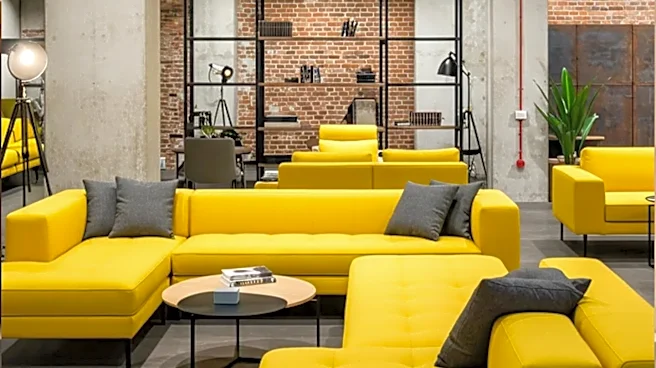
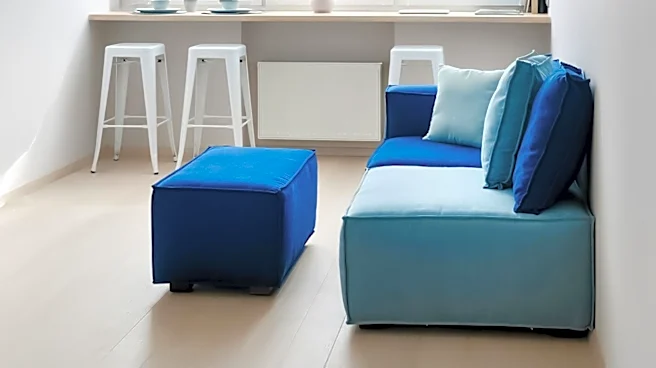
pendant lighting to visually separate areas. Open-back bookshelves and lofted beds are highlighted as effective dividers, while vertical storage solutions such as floating shelves are crucial for maximizing space. The approach aims to give every activity a clear address, transforming a single room into distinct living, sleeping, and working areas. This involves careful planning of zones around light and power sources, and selecting multi-functional furniture to optimize limited square footage. For instance, a sofa can be floated to act as a room divider, and beds can be lifted to create under-bed storage, effectively reclaiming floor space.
Why It's Important?
The focus on innovative studio apartment design is important for urban dwellers and the real estate market, particularly in areas with high population density and limited living space. By maximizing functionality and creating distinct zones, these design principles enhance the quality of life for residents in smaller living environments, making studio apartments more appealing and practical. This trend can influence architectural and interior design practices, leading to more thoughtful and efficient use of space in new constructions and renovations. For consumers, it offers practical solutions to common challenges of small-space living, such as clutter management and the need for privacy. The emphasis on multi-functional furniture and vertical storage also promotes a more minimalist and organized lifestyle, which can reduce consumer spending on unnecessary items and contribute to sustainable living practices.
What's Next?
The continued evolution of studio apartment design is likely to see further integration of smart home technology and modular furniture systems that adapt to various needs throughout the day. Designers and manufacturers may increasingly collaborate to produce innovative, space-saving solutions tailored for compact living. We can expect to see more customizable and flexible room dividers, such as sliding panels or integrated shelving units, that can be easily reconfigured. Additionally, there may be a growing market for professional organizing services specifically for small spaces, helping residents implement these design principles effectively. The real estate industry might also leverage these design advancements in marketing efforts, highlighting the enhanced livability and versatility of studio apartments to attract a broader range of tenants and buyers.
Beyond the Headlines
Beyond the immediate practical benefits, the trend in studio apartment design reflects broader societal shifts towards urbanization, sustainability, and a re-evaluation of living large. The emphasis on efficient space utilization challenges traditional notions of home size and luxury, promoting a more conscious approach to consumption and living. This movement could foster a greater appreciation for minimalist aesthetics and functional design, influencing consumer preferences beyond just small apartments. Ethically, it raises questions about accessibility and affordability of housing in urban centers, as efficient design can make smaller units more livable and thus potentially more desirable. Culturally, it may lead to a redefinition of what constitutes a comfortable and complete home, moving away from square footage as the primary measure of value towards functionality and thoughtful design.