





What's Happening?
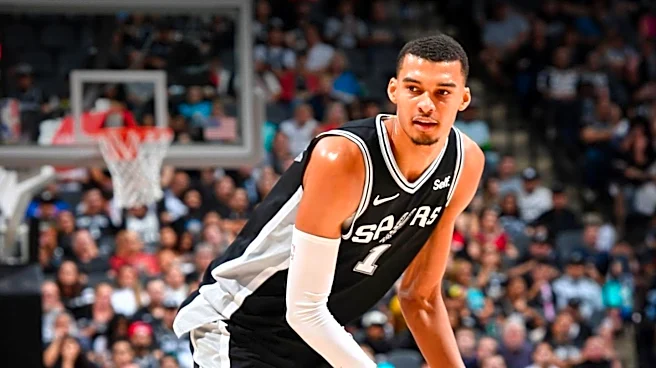
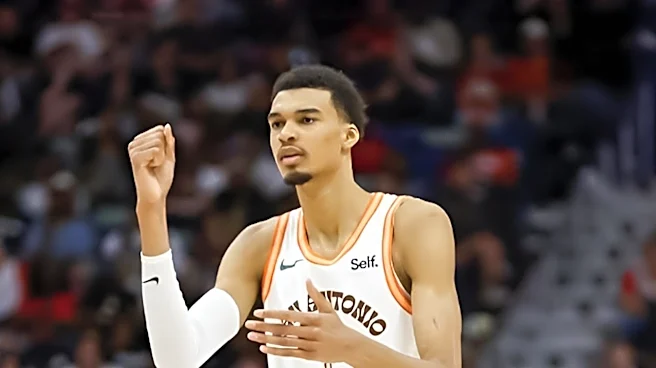
Victor Wembanyama's recent contract extension with the San Antonio Spurs has sparked discussions about potential revisions to the NBA's Collective Bargaining Agreement (CBA). Wembanyama agreed to a team-friendly deal, sacrificing over $50 million, which
has highlighted perceived flaws in the current CBA. The player's association is considering opting out of the agreement in 2028, citing the need for changes to the second apron rules that limit player earnings. Wembanyama's contract has become a focal point in the debate over fair compensation and financial regulations in the NBA.
Why It's Important?
The discussions surrounding Wembanyama's contract could lead to significant changes in the NBA's financial landscape. The second apron rules, designed to prevent teams from overspending, are under scrutiny for limiting player earnings and team flexibility. If the player's association successfully negotiates changes, it could result in more equitable compensation for players and greater financial freedom for teams. This situation underscores the ongoing tension between maintaining competitive balance and ensuring fair player compensation. The outcome of these discussions could have lasting implications for the league's financial policies.
What's Next?
As the player's association prepares for potential negotiations, the focus will be on addressing the concerns raised by Wembanyama's contract. The association may push for changes that allow players to earn their full value without penalizing teams. The NBA and the player's association will need to engage in discussions to find a compromise that satisfies both parties. If an agreement cannot be reached, there is a possibility of a lockout, which would disrupt the league. The resolution of these issues will be closely watched by players, teams, and fans alike.