






What's Happening?
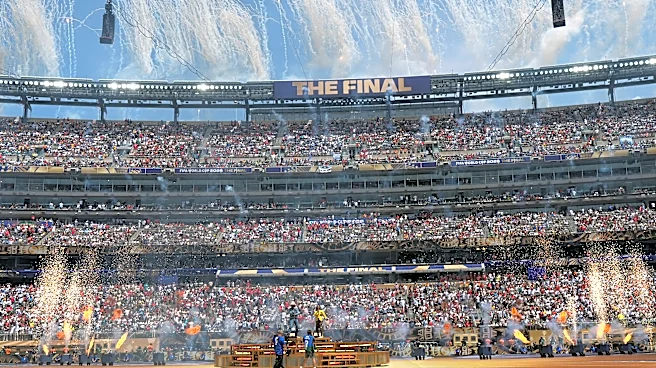
Joan Capdevila, a former Spanish soccer player, has been granted a waiver to enter the United States to attend the World Cup final at MetLife Stadium. Capdevila's initial request for non-visa entry was denied due to a previous visit to Iran in 2016. Following
a public plea to President Trump, Capdevila received the necessary waiver to travel to the U.S. The decision comes amid tightened entry requirements for foreign visitors ahead of the 2026 World Cup, which is being hosted by the U.S., Canada, and Mexico. Capdevila's case highlights the complexities of international travel regulations and the influence of diplomatic interventions.
Why It's Important?
The incident underscores the challenges faced by international travelers due to geopolitical tensions and stringent entry requirements. Capdevila's situation illustrates how past travel to certain countries can impact current travel plans, affecting individuals' ability to participate in global events. The waiver granted by President Trump highlights the role of political influence in resolving such issues, raising questions about consistency and fairness in the application of travel regulations. This case also emphasizes the importance of diplomatic relations and the potential for high-profile interventions to facilitate international participation in major events.
What's Next?
As the World Cup progresses, there may be further scrutiny of U.S. entry policies and their impact on international visitors. The incident could prompt discussions on balancing security concerns with the need for inclusivity in global events. Additionally, there may be calls for clearer guidelines and communication regarding travel restrictions to prevent similar situations in the future. The outcome of Capdevila's case may influence how other countries approach entry requirements for international events, potentially leading to policy adjustments.