







What's Happening?
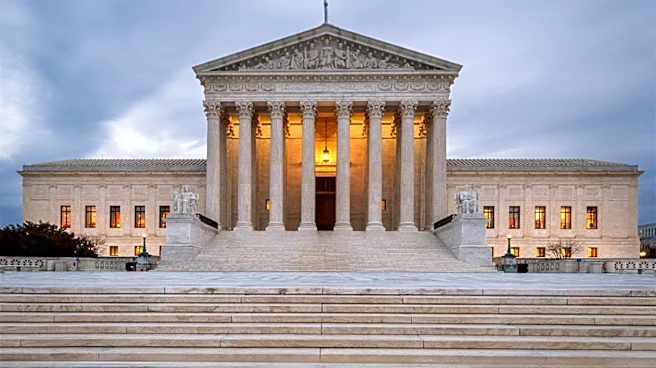
The U.S. Supreme Court has ruled in favor of Bayer AG, dismissing a jury verdict that linked the company's Roundup weedkiller to cancer. This decision prevents consumers from suing Bayer for not including a cancer warning on Roundup labels, as federal
regulators did not require such a warning. The ruling is a significant win for Bayer, potentially capping its financial exposure to ongoing lawsuits at $7.5 billion. Despite this victory, Bayer still faces thousands of lawsuits, and the decision does not eliminate the possibility of future claims based on other legal grounds.
Why It's Important?
The Supreme Court's ruling is a pivotal moment for Bayer, as it could significantly reduce the company's legal liabilities related to Roundup. This decision may encourage more plaintiffs to settle, potentially saving Bayer billions in litigation costs. However, the ruling does not resolve all legal challenges, as lawsuits can still proceed on other grounds, such as product design defects. The outcome of this case could influence future litigation strategies for both Bayer and other companies facing similar product liability issues, impacting the broader agrochemical industry and regulatory practices.
What's Next?
Bayer's legal challenges are not over, as the company must still navigate ongoing lawsuits and seek final approval for its $7.25 billion settlement proposal. The Supreme Court's decision may bolster Bayer's position in settlement negotiations, but the company remains exposed to future claims. Bayer's CEO, Bill Anderson, is under pressure to resolve these legal issues and restore investor confidence. The company's ability to manage these challenges will be crucial for its financial stability and reputation, as well as for the future of its crop-science and pharmaceutical divisions.