




What's Happening?
Industrial bakeries are increasingly adopting integrated production approaches to manage the growing complexity and demand for high-value cakes and pies. These products, once considered specialty items, are now characterized by diverse SKUs, innovative
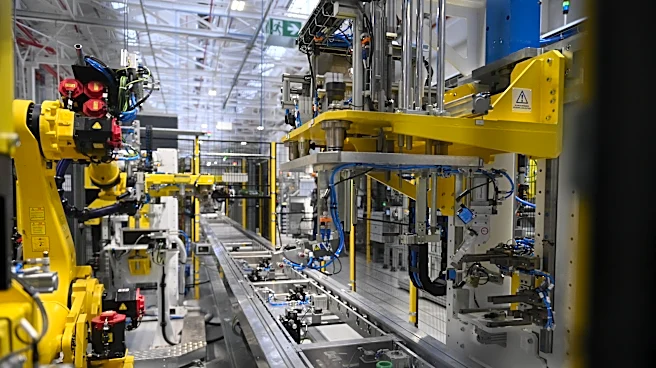
recipes, and heightened quality expectations. The shift is driven by consumer demand for premium ingredients, layered formats, filled products, and visually distinctive designs, as well as the expansion of private-label dessert ranges by retailers. To meet these challenges, bakeries are moving beyond individual machines to fully coordinated systems that encompass precise batter mixing, accurate depositing, flexible baking, gentle cooling and conveying, integrated decorating, and automated pan handling. This end-to-end approach aims to manage expanding product portfolios, reduce manual intervention, and ensure consistent quality across various product formats, even as recipes become more complex with functional ingredients like reduced sugar or plant-based alternatives.
Why It's Important?
This evolution in industrial baking is critical for the U.S. food industry, as it directly impacts the availability, quality, and cost of baked goods for consumers. The focus on integrated systems allows manufacturers to scale production of complex, high-value items while maintaining consistency, which is essential for brand reputation and consumer trust. The ability to quickly launch new products and adapt to evolving consumer preferences, such as demand for gluten-free or vegan options, provides a competitive edge in a dynamic market. Furthermore, by reducing manual intervention and optimizing processes, these technologies can lead to increased efficiency and potentially lower production costs, which could translate to more affordable or higher-quality products for consumers. The investment in advanced automation also addresses labor challenges and ensures food safety standards are met consistently.
What's Next?
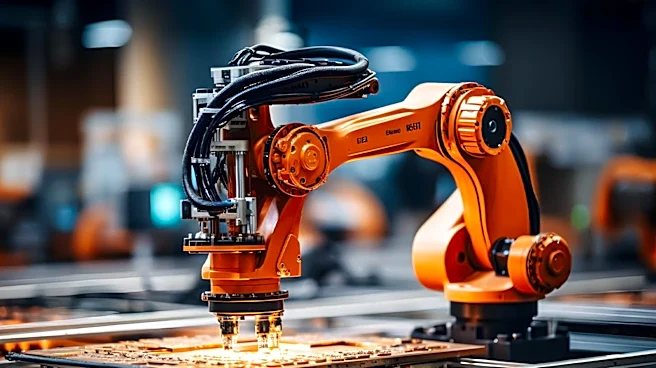
The trend towards highly automated and integrated production lines in industrial bakeries is expected to continue, with further advancements in technology and data analytics. Bakeries will likely invest more in artificial intelligence and machine learning to optimize processes, predict ingredient variations, and ensure even greater consistency in product quality. There will be a continued emphasis on flexibility to accommodate rapid changes in consumer tastes and seasonal demands, leading to modular and easily reconfigurable production lines. Additionally, the focus on sustainability will drive innovations in energy-efficient equipment and waste reduction within these integrated systems. Manufacturers will also explore advanced robotics for delicate tasks like decorating and packaging, further minimizing human error and enhancing product presentation. This continuous innovation will ensure that industrial bakeries can meet the ever-growing and diversifying demands of the U.S. market.
Beyond the Headlines
The shift towards highly integrated and automated production in industrial bakeries has broader implications for the workforce and the nature of food production. While automation increases efficiency and consistency, it also changes the skill sets required for bakery employees, moving from manual labor to roles focused on monitoring, maintenance, and programming advanced machinery. This necessitates investment in training and upskilling programs to ensure a smooth transition for the workforce. Moreover, the increasing reliance on technology raises questions about the 'artisanal' perception of baked goods, even when produced at an industrial scale. Balancing the efficiency of automation with the consumer's desire for authentic, high-quality products will be a key challenge. The ability of these systems to handle complex, functional ingredients also pushes the boundaries of food science, potentially leading to new categories of baked goods that cater to specific dietary needs and health trends.