





What's Happening?
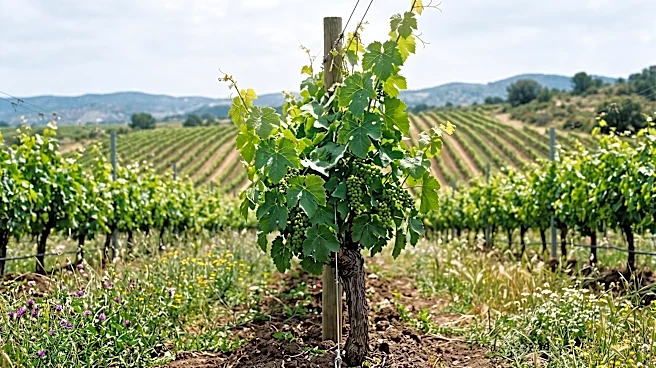
Perrier-Jouët has significantly expanded its regenerative viticulture program, with half of its own vineyard, totaling 33 hectares, now operating under these practices. The champagne house aims to achieve 100% regenerative viticulture across its vineyard by
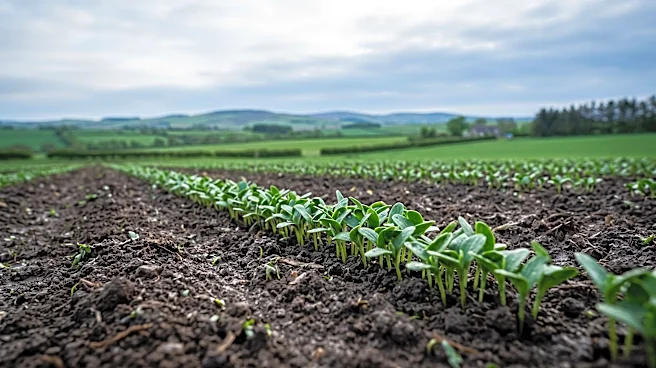
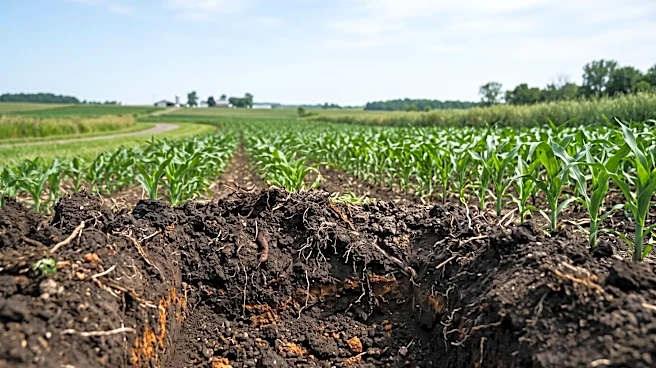
2030. This initiative, which began with an experimental program in 2026, focuses on restoring soil health, improving vine nutrition, and preserving biodiversity. Key agronomic practices include sowing biomass plant covers after harvest to enrich the soil with organic matter and nutrients, and using floral covers to support pollinators and improve soil structure. Mechanical soil preparation has replaced herbicides, and an all-electric robot, Bakus, is used to reduce soil compaction. Additionally, Perrier-Jouët has planted approximately 1,200 trees and shrubs to create climatic bubbles, return organic matter to the soil, and form green corridors for auxiliary fauna. The company is also working with partner winegrowers to encourage adoption of sustainable viticulture practices, with 67% certified in 2025.
Why It's Important?
This commitment by Perrier-Jouët to regenerative viticulture is significant for the agricultural sector, particularly in specialized industries like winemaking. It demonstrates a proactive approach to addressing the challenges posed by climate change, such as faster grape ripening and increased disease pressure. By focusing on soil health and biodiversity, the company is not only aiming for environmental sustainability but also seeking to maintain the quality and consistency of its product. The adoption of these practices can serve as a model for other agricultural businesses, highlighting the potential for ecological restoration to go hand-in-hand with economic viability. For U.S. consumers, this trend indicates a growing availability of products produced with environmentally conscious methods, potentially influencing purchasing decisions and driving demand for sustainable goods. The involvement of data scientists and specialized technicians also underscores the increasing role of technology and scientific research in modern agriculture.
What's Next?
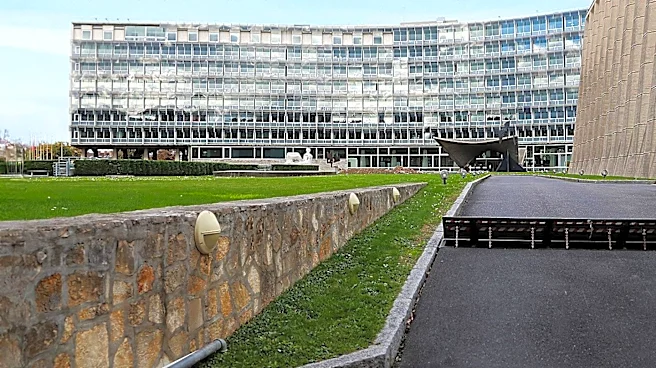
Perrier-Jouët's immediate focus will be on continuing to expand its regenerative viticulture program to reach its 100% target by 2030. This will involve further implementation of biomass and floral covers, tree planting, and the use of sustainable machinery. The company will also continue to monitor the impact of these practices on soil health, biodiversity, and grape quality, with cellar master Sévérine Frerson already noting differences in wines from parcels with different covers. Efforts to encourage partner winegrowers to adopt Viticulture Durable en Champagne certification and regenerative practices will also intensify. The company's ongoing biodiversity projects beyond the vineyard, in collaboration with UNESCO and the Comité Champagne, are expected to continue, fostering a broader ecological network in the region. The long-term success of these initiatives will be measured by their ability to mitigate climate impacts and ensure the sustainability of champagne production.
Beyond the Headlines
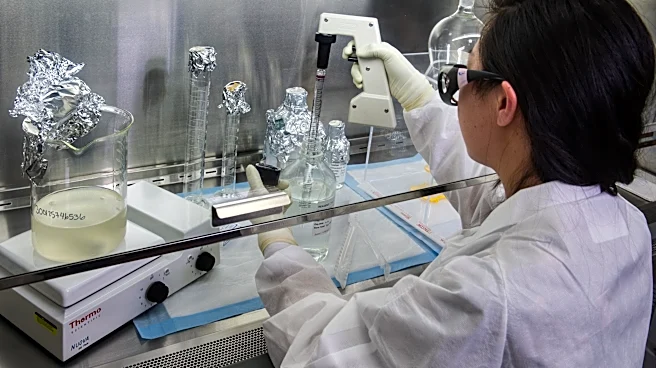
The shift towards regenerative viticulture by Perrier-Jouët represents a broader philosophical change in how industries interact with natural ecosystems. It moves beyond mere sustainability, which often aims to minimize harm, to actively seeking to restore and enhance ecological systems. This approach has profound implications for land management and resource utilization, suggesting a future where industrial practices are integrated with ecological regeneration. The company's emphasis on biodiversity, from insect populations to tree planting, highlights a recognition of the interconnectedness of natural systems and their role in agricultural resilience. This could inspire other industries to adopt similar holistic approaches, fostering a more symbiotic relationship between human enterprise and the environment. The initiative also underscores the importance of scientific monitoring and data analysis in validating and refining these ecological practices, moving environmental stewardship beyond ideology to evidence-based action.