






What's Happening?
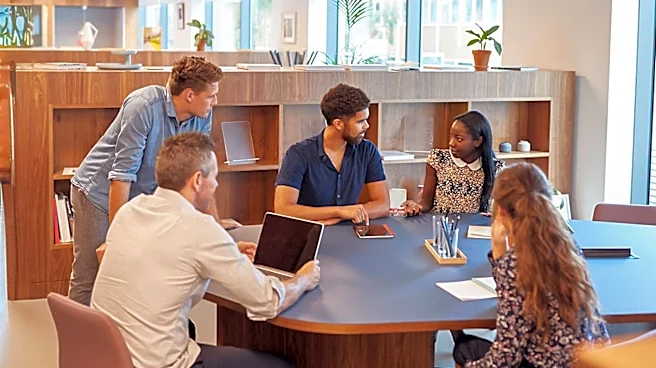
Modern meeting rooms are being reimagined beyond traditional presentations to serve multiple functions, including wellness activities, hybrid collaboration, employee training, client engagement, and content creation. Companies are adjusting these spaces
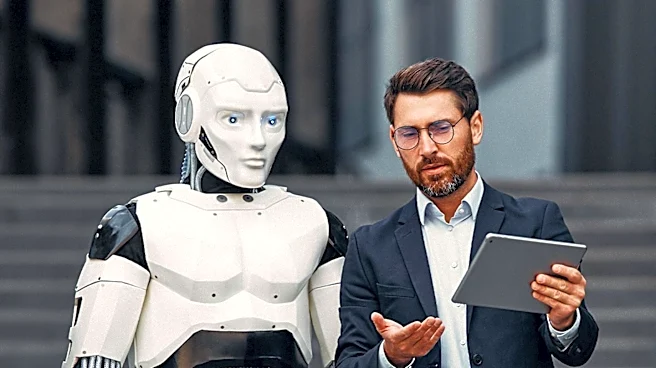
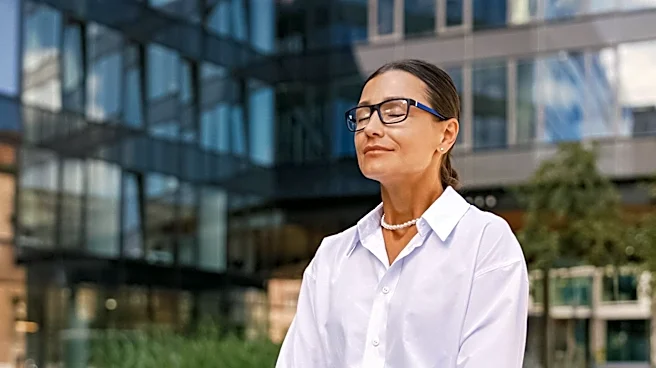
with features like comfortable seating, softer lighting, and wellness-focused digital signage to support employee well-being through mindfulness breaks and team connection. This shift reflects a broader understanding that flexible real estate can enhance workplace experience and maximize existing investments. The evolution of these spaces also includes equipping them with interactive displays, high-quality audio-visual tools, and recording equipment to facilitate hybrid brainstorming, remote training sessions, and in-house video production for corporate communications and marketing.
Why It's Important?
This trend signifies a strategic shift in how U.S. businesses utilize their physical spaces, moving towards more versatile and employee-centric environments. By repurposing meeting rooms for wellness, companies aim to improve employee mental and emotional well-being, potentially leading to increased productivity and reduced stress. The integration of advanced technology for hybrid collaboration and content creation allows businesses to adapt to evolving work models, reduce operational costs associated with external facilities, and enhance internal communication and training capabilities. This flexibility can provide a competitive advantage by fostering a more dynamic and supportive work culture, attracting and retaining talent, and optimizing resource allocation in a post-pandemic work landscape.
What's Next?
The continued evolution of meeting room usage is expected to see further integration of technology and design elements that support diverse activities. Companies will likely invest more in flexible furniture, advanced AV systems, and specialized software to facilitate seamless transitions between different functions. The focus on employee well-being within these spaces is anticipated to grow, with more organizations incorporating dedicated wellness programs and resources directly into their office layouts. This could lead to new partnerships between technology providers, interior designers, and wellness experts to create integrated solutions for modern workplaces. The trend also suggests a potential decrease in demand for external training and production facilities as companies bring these capabilities in-house.
Beyond the Headlines
The transformation of meeting rooms into multi-functional hubs, particularly for wellness, highlights a deeper cultural shift in corporate America towards prioritizing employee holistic health. This goes beyond mere perks, indicating a recognition of the link between employee well-being and overall business success. Ethically, it raises questions about the extent of employer responsibility for employee mental health and the balance between providing supportive environments and maintaining professional boundaries. Legally, it could influence building codes and workplace regulations to accommodate these new types of spaces. Culturally, it reflects a move away from rigid, traditional office structures towards more fluid, adaptable, and human-centered work environments, potentially reshaping the future of office design and corporate culture.