







What's Happening?
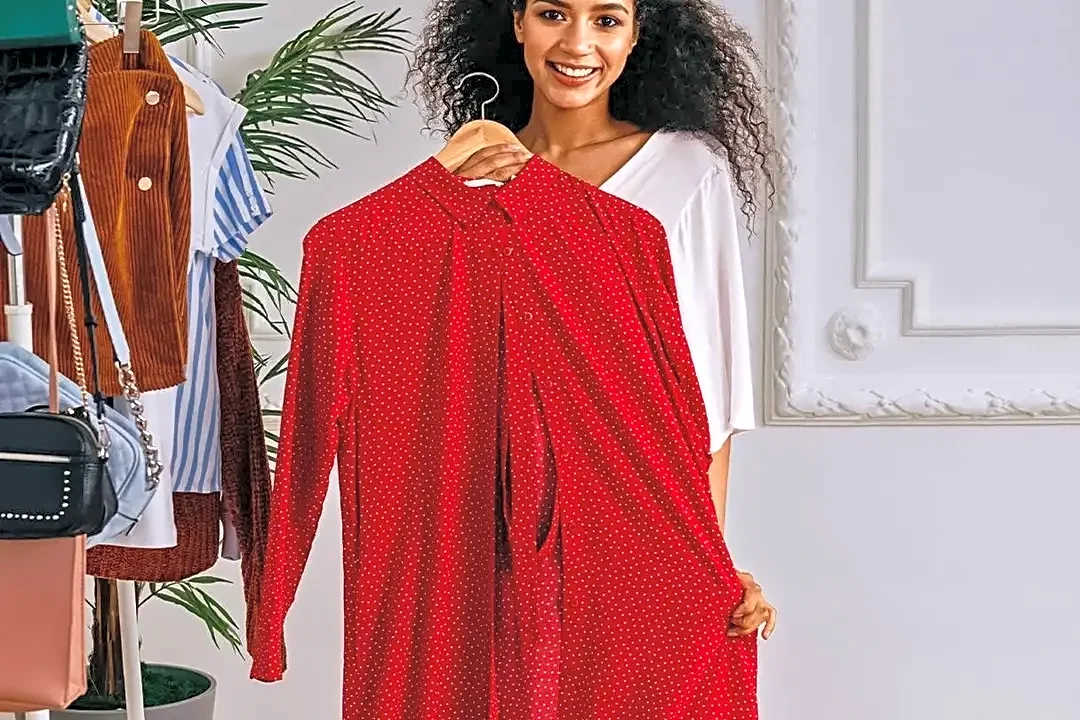
Small, independent fashion labels are demonstrating leadership in sustainable practices by prioritizing transparency and visible circularity in their operations. Unlike larger brands that often use generic 'green' slogans, these smaller entities focus
on specific details such as naming their material sources, mills, and factories. They frequently work with deadstock fabric, donated clothing, or secondhand garments, transforming existing materials into new products. This approach often involves leaving original labels or wear marks to highlight a garment's previous life. Many also integrate circularity into their business models through made-to-order pieces, small production runs, repair services, and take-back schemes, ensuring garments remain in use longer. This trend is particularly relevant as the EU's Empowering Consumers for the Green Transition directive, effective September 27, 2026, bans generic environmental claims unless verifiable, pushing for greater specificity in sustainability assertions across the fashion industry.
Why It's Important?
This shift towards verifiable sustainability in fashion, driven by both small labels and new EU regulations, has significant implications for the U.S. market. While the directive is European, it impacts any brand selling to EU consumers, including those based in the U.S. This means American fashion companies, regardless of size, will need to adopt more transparent and fact-based sustainability claims to remain competitive in the global market. For U.S. consumers, this could lead to a more informed purchasing environment, where 'greenwashing' is less prevalent, and genuine sustainable options are more clearly identified. It also highlights a potential competitive advantage for smaller U.S. brands that already prioritize detailed, honest information about their production processes, as this aligns with the new regulatory landscape and growing consumer demand for ethical products.
What's Next?
U.S. fashion brands, especially those with international aspirations or existing European customer bases, will likely need to re-evaluate their sustainability claims and supply chain transparency. This could involve investing in more detailed tracking of materials, production processes, and end-of-life solutions for their products. Small independent labels in the U.S. may find an opportunity to expand their market share by leveraging their inherent transparency and specific sustainability practices as a key differentiator. Industry associations and regulatory bodies in the U.S. might also begin to explore similar directives to combat greenwashing, potentially leading to a broader shift towards more accountable environmental claims across American industries. Consumers are expected to become more discerning, demanding concrete evidence of sustainability rather than broad statements.
Beyond the Headlines
The emphasis on visible circularity and detailed sourcing information by small fashion labels points to a deeper cultural and ethical shift within the industry. It challenges the traditional fast fashion model, which often relies on opaque supply chains and rapid consumption. This movement encourages a more mindful approach to clothing, valuing longevity, repair, and reuse over disposability. The legal crackdown on greenwashing in Europe could set a precedent for other regions, fostering a global environment where ethical production and environmental responsibility are not just marketing tools but fundamental business practices. This could lead to a redefinition of 'luxury' and 'quality' in fashion, where the story behind a garment's creation and its environmental footprint become as important as its design and brand name.