





What's Happening?
John Sweeney, CEO of Brookfield Private Wealth, indicates that real estate and infrastructure will be prominent alternative investment areas in the coming months, particularly in 2027. He notes a significant increase in demand for 'real assets' or 'hard
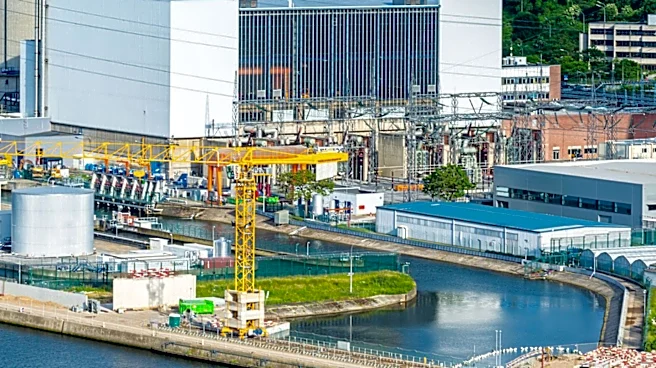
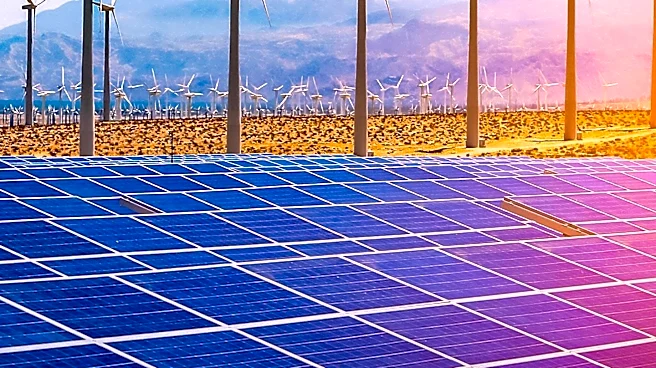
assets' exposure over the past year, with infrastructure gaining even more attention than real estate. Brookfield views AI infrastructure as a broad category extending beyond just data centers, encompassing the entire ecosystem needed to connect data centers to the grid and transmit data globally. Consequently, Brookfield is actively investing in a diverse range of critical infrastructure, including pipelines, natural gas, power, wind, solar, and other forms of renewable energy. The firm's definition of infrastructure also includes shipping containers, ports, and rail, emphasizing its role as owner-operators rather than just financial investors.
Why It's Important?
This focus on real estate and infrastructure by Brookfield Private Wealth signals a significant trend in the U.S. investment landscape, particularly within alternative assets. The increased demand for hard assets reflects investors' desire for inflation protection and diversification in their portfolios, especially in an elevated interest rate environment. Brookfield's expansive view of AI infrastructure underscores the massive investment opportunities arising from technological advancements, extending beyond direct tech companies to the foundational physical assets required to support AI. This strategy has broad implications for U.S. industries, as investments in energy, transportation, and digital infrastructure can drive economic growth, create jobs, and enhance national competitiveness. The emphasis on renewable energy also aligns with broader sustainability goals and the transition to a greener economy, impacting energy policy and environmental initiatives. Advisors are increasingly allocating to alternatives, with research indicating a growing knowledge base among them, suggesting a sustained shift in investment strategies.
What's Next?
The continued emphasis on real estate and infrastructure as key alternative investments suggests that significant capital will flow into these sectors in the U.S. in 2027. This could lead to further development and modernization of critical infrastructure, including energy grids, transportation networks, and digital connectivity. The expansion of AI infrastructure beyond data centers implies a surge in demand for related physical assets and services, potentially creating new business opportunities and technological advancements. Brookfield Private Wealth's commitment to educating advisors through initiatives like the Alts Institute indicates an ongoing effort to deepen understanding and adoption of alternative investments. This trend is likely to influence public policy discussions around infrastructure spending, energy development, and economic stimulus, as both private and public sectors seek to capitalize on these investment opportunities and address national needs.
Beyond the Headlines
The strategic shift towards real assets like real estate and infrastructure, as highlighted by Brookfield, reflects a deeper re-evaluation of investment priorities in a volatile global economy. Beyond immediate financial returns, these investments carry long-term societal implications. For instance, robust infrastructure development is crucial for national security, economic resilience, and public welfare. The broad definition of AI infrastructure, encompassing everything from energy to logistics, points to the foundational role of physical assets in supporting advanced technologies. This interconnectedness suggests that future economic growth will increasingly depend on a symbiotic relationship between digital innovation and tangible infrastructure. Furthermore, Brookfield's role as owner-operators in these sectors implies a hands-on approach to managing and developing these assets, potentially leading to more sustainable and efficient operations. This trend could also influence urban planning, regional development, and the overall quality of life in communities across the U.S. as investments in these areas materialize.