

What's Happening?
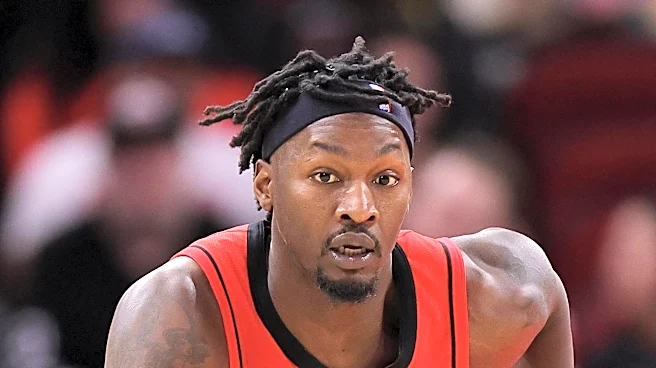
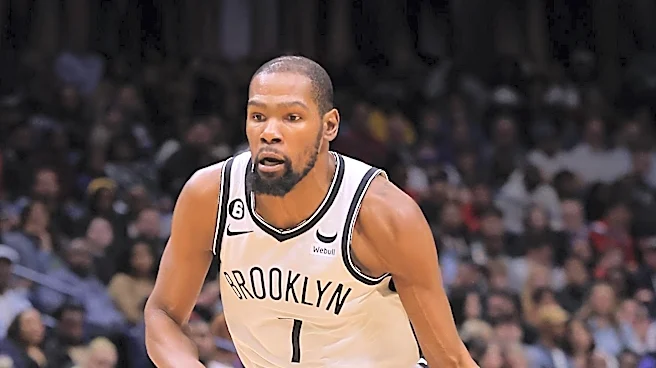
A viral Facebook post from a page named 'Basketball Breakdown' falsely claimed that NBA star Kevin Durant had come out as gay. The post, which garnered significant engagement with approximately 12,600 reactions, 2,500 comments, and 1,000 shares within
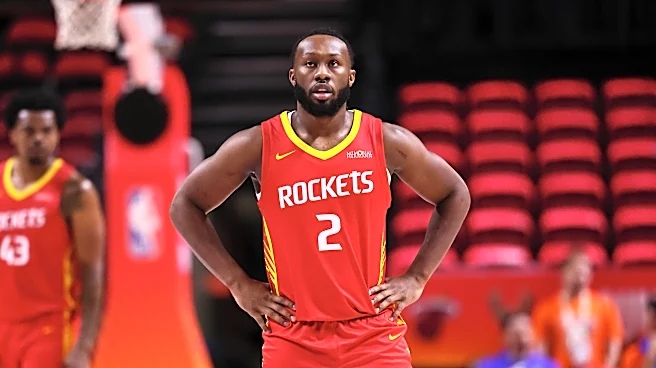
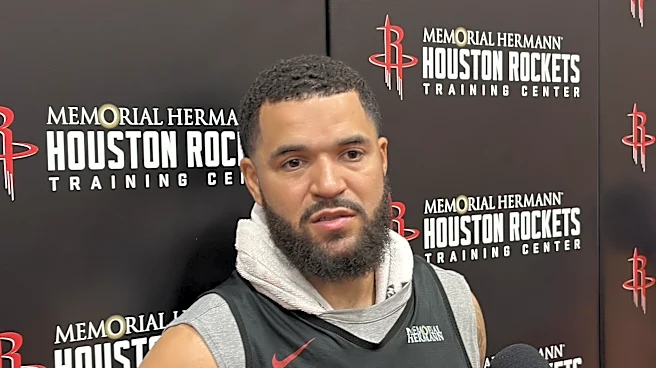
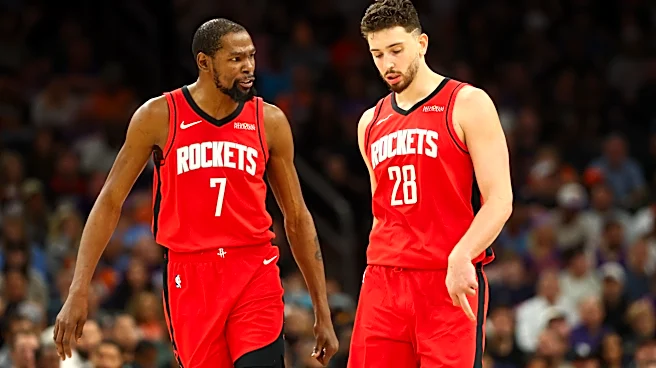
17 hours of its publication, presented this assertion without any credible source or supporting evidence. This claim has led to widespread searches for confirmation, despite no official announcement from Durant, the Houston Rockets, or the NBA. The timing of this rumor coincided with Durant's appearance at Houston's media day on September 22, where he discussed the upcoming NBA season, his workload, and controversies surrounding the WNBA, but made no statements regarding his sexual orientation. This incident mirrors a similar false claim made earlier in February about Oklahoma City Thunder star Chet Holmgren, which also originated from an account identifying itself as satire.
Why It's Important?
This incident highlights the significant impact and rapid spread of misinformation on social media platforms, particularly concerning public figures. The viral nature of such unsubstantiated claims can lead to confusion among fans and the broader public, forcing news outlets to issue fact checks to counter the false narratives. The ease with which a single, unsourced Facebook post can generate thousands of interactions and trigger widespread searches underscores the challenges in distinguishing credible information from satire or deliberate falsehoods online. For athletes like Kevin Durant, these rumors can create unnecessary personal and professional distractions, diverting attention from their actual careers and public statements. The recurrence of similar hoaxes, as seen with Chet Holmgren, suggests a pattern of using sensational but false claims to gain engagement, which can erode trust in online information sources.
What's Next?
Given the pattern of similar hoaxes, it is likely that social media platforms will continue to grapple with the rapid dissemination of misinformation. Fact-checking organizations and news outlets will likely continue to monitor and debunk such viral claims as they emerge. For public figures like Kevin Durant, the immediate next steps will likely involve continuing their professional duties, with the expectation that the false rumor will eventually subside as more credible information becomes available. There may also be increased scrutiny on the origins of such posts and the accountability of pages that publish them. The NBA and individual teams might consider issuing clearer guidelines or statements regarding how they address and counter misinformation targeting their players, especially when it impacts their personal lives.
Beyond the Headlines
The proliferation of viral hoaxes like the one targeting Kevin Durant points to deeper societal issues regarding media literacy and the consumption of information in the digital age. The incident underscores how easily individuals can be swayed by highly engaging content, even in the absence of verifiable facts. This trend can have long-term implications for public discourse, as it blurs the lines between truth and fiction, making it harder for individuals to form informed opinions. Ethically, the creation and spread of such rumors raise questions about the responsibility of content creators and the platforms that host them. Culturally, it reflects a growing appetite for sensational news, regardless of its veracity, which can contribute to a more polarized and misinformed public sphere. Addressing these underlying issues requires a multi-faceted approach, including improved media education, more robust fact-checking mechanisms, and greater accountability for those who intentionally spread false information.