



What's Happening?
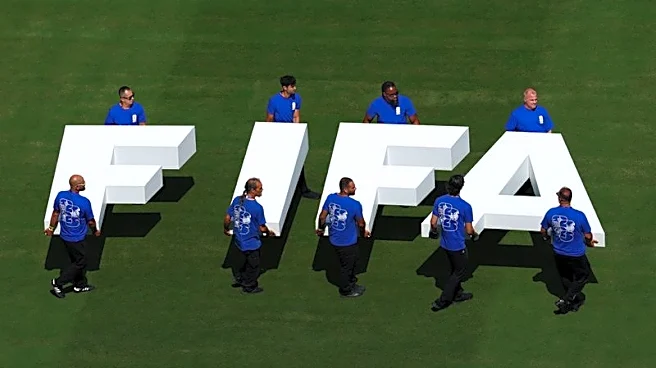
UEFA, the governing body for European soccer, has threatened to boycott future FIFA World Cups in response to FIFA's proposal to introduce private investment into its competitions. This move has sparked significant controversy, with UEFA's 55 member associations
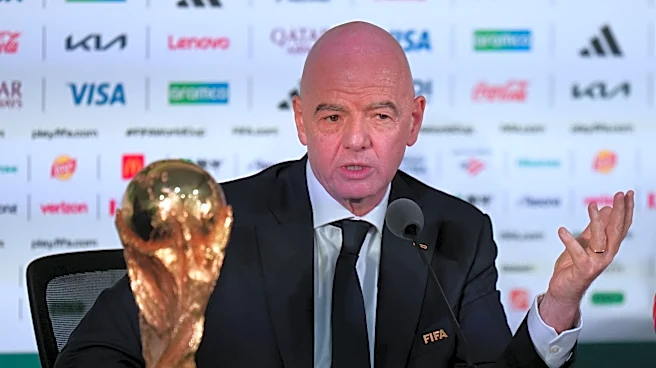
unanimously supporting the boycott. FIFA, led by President Gianni Infantino, plans to create a subsidiary involving private equity investment to manage commercial rights, a proposal that has been met with criticism for potentially compromising the governance and spirit of the game. Despite the backlash, FIFA remains committed to its plan, emphasizing that the generated revenue will be reinvested into the sport.
Why It's Important?
The potential boycott by UEFA could have far-reaching implications for international soccer, as European teams are among the most successful and influential in the sport. A boycott would not only affect the competitive landscape of the World Cup but also impact the financial and commercial aspects of the tournament. The controversy highlights the ongoing tension between FIFA and UEFA, reflecting broader concerns about the commercialization of sports and the influence of private investors. The outcome of this dispute could set a precedent for how international sports organizations balance commercial interests with maintaining the integrity of the game.
What's Next?
The situation remains tense as UEFA and other regional soccer bodies continue to express their opposition to FIFA's plans. The upcoming FIFA World Cup in Brazil and future tournaments could be significantly impacted if the boycott proceeds. Stakeholders across the soccer world, including players, sponsors, and fans, will be closely monitoring developments. FIFA may need to engage in further negotiations and consultations to address the concerns raised by UEFA and other associations, potentially leading to revisions of the proposed investment model.
Beyond the Headlines
This conflict underscores the broader challenges faced by global sports organizations in managing commercial interests while preserving the traditional values of the sport. The involvement of private equity in sports governance raises ethical questions about the influence of profit-driven entities on decision-making processes. The outcome of this dispute could influence how other sports organizations approach similar issues, potentially leading to reforms in governance structures to ensure transparency and accountability.