



What's Happening?
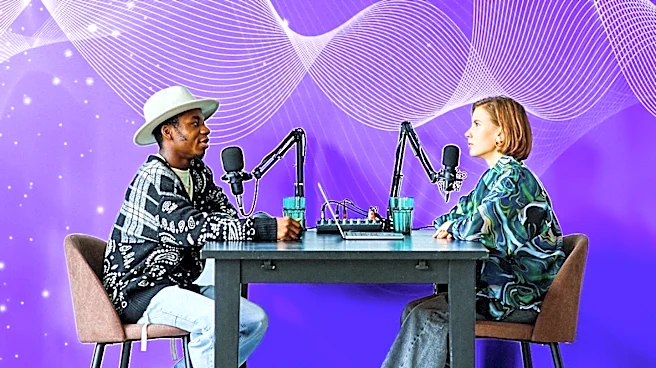
Actress Jennie Garth recently revealed her long-standing annoyance regarding co-star Brian Austin Green receiving a producer credit on 'Beverly Hills, 90210' before she did. During an episode of her '90210MG' podcast, Garth questioned her longtime manager,
Randy James, about the discrepancy after noticing Green's producer listing in the opening credits of a Season 9 episode. James, who was a guest on the podcast, admitted he had anticipated Garth bringing up the subject but stated he did not recall the specific circumstances of Green's deal. He noted that the show's producer, Aaron Spelling, did not consult him on other actors' contracts. Garth recalled that by the final season, all main cast members eventually received some form of producer credit as an incentive to remain with the show. Despite this, the issue of Green's earlier credit continues to bother her more than two decades later.
Why It's Important?
This revelation highlights the intricate dynamics and potential inequities in compensation and recognition within long-running television productions, particularly for young actors. Garth's lingering resentment underscores how perceived disparities in treatment, even from decades ago, can impact individuals. For the entertainment industry, it sheds light on the historical practices of how producer credits were distributed and negotiated, often without full transparency among cast members. It also touches upon the broader issue of how actors, especially women, may have been overlooked for certain recognitions or benefits compared to their male counterparts in past industry practices. The discussion could prompt a re-evaluation of how such credits are handled in current productions to ensure fairness and transparency among cast and crew.
What's Next?
While this is a historical grievance, Garth's public discussion of the issue on her podcast could reignite conversations among former cast members and fans about the behind-the-scenes workings of 'Beverly Hills, 90210.' It may also encourage other actors from that era to share similar experiences regarding contract negotiations and credit distribution. For current productions, this type of public discourse could further push for more equitable and transparent contractual agreements, particularly concerning producer credits and other forms of recognition for lead actors. It is unlikely to lead to any direct action regarding the past show, but it serves as a point of reflection on industry standards.
Beyond the Headlines
Beyond the immediate story, Garth's comments touch on deeper themes of professional equity and the lasting psychological impact of perceived unfairness in one's career. It illustrates how even successful individuals can harbor feelings of being undervalued or overlooked, which can persist for many years. This situation also reflects the evolving landscape of celebrity and media, where actors now have platforms like podcasts to openly discuss past grievances and industry practices, offering fans a more candid look into the realities of television production. It subtly questions the power structures within Hollywood at the time, where decisions about actor compensation and credits were often made without full disclosure or consultation across the cast.