




What's Happening?
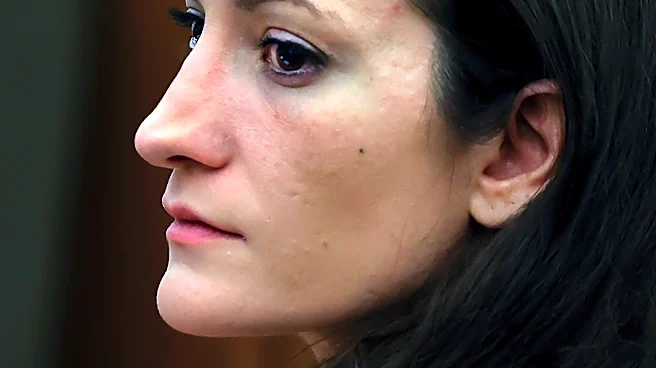
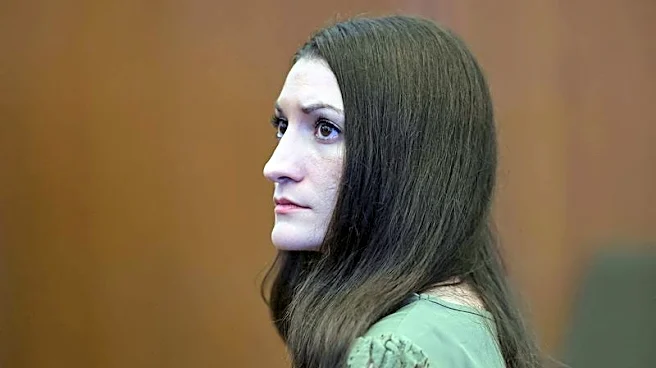
Clayton Echard, known from 'The Bachelor,' is speaking out following Laura Owens' guilty plea in a pregnancy fraud case. Owens falsely accused Echard of fathering unborn twins three years ago. She pleaded guilty to multiple charges, including fraudulent
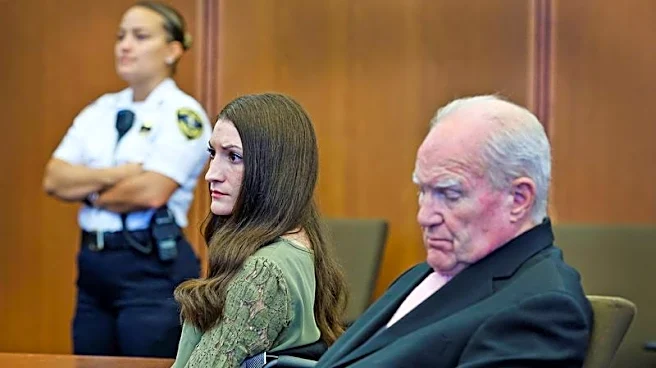
schemes and artifices, perjury, and taking the identity of another. The plea deal was accepted after Owens initially denied the allegations vehemently. The charges stem from a period between 2021 and 2024, involving not only Echard but also another individual, Greg Gillespie, whom Owens also falsely accused of fathering a child. The case gained significant public attention, with Echard expressing his views on how the situation was managed by producers. The hearing where Owens pleaded guilty lasted only 16 minutes, a swift resolution to a complex case that many expected to go to trial. Owens admitted to using a stolen ultrasound image and a video of her sister's pregnant belly as her own.
Why It's Important?
This case highlights the severe impact of fraudulent claims, particularly those involving personal relationships and public figures. For Clayton Echard, the resolution brings a degree of closure to a distressing three-year ordeal, but it also underscores the emotional and reputational damage such false accusations can inflict. The public nature of the case, involving a reality TV personality, draws attention to the vulnerabilities individuals face when their private lives become public fodder. Furthermore, Echard's criticism of producers' handling of the situation raises questions about the responsibility of media entities in protecting participants from exploitation or harm, especially when serious allegations are made. The legal outcome serves as a deterrent against similar fraudulent schemes, emphasizing that such actions carry significant legal consequences, including potential prison time and probation.
What's Next?
Laura Owens' sentencing is scheduled for October 23. While the plea deal did not include a sentencing agreement for the fraudulent schemes charge related to Clayton Echard, she could face a maximum of 12.5 years in prison, though a shorter term or supervised probation is more likely. For the other three felonies, she will receive supervised probation, which may include up to a year of jail time. Echard and other victims, including Greg Gillespie, are expected to request prison time for Owens during the sentencing. The court will consider Owens' presentation of culpability and remorse as crucial factors in determining her sentence. This phase will allow victims to address the court directly about the impact of Owens' crimes on their lives, potentially bringing further public attention to the long-term effects of such fraud.
Beyond the Headlines
The case delves into deeper implications concerning accountability, public perception, and the ethics of reality television. Echard's statement about healing and his acknowledgment of Owens taking accountability, despite his desire for prison time, reflects a complex emotional journey for victims of such elaborate deceptions. The use of stolen identity, specifically a grieving mother's ultrasound image, adds a layer of profound ethical violation, highlighting the far-reaching consequences of Owens' actions beyond the immediate victims. This incident could prompt broader discussions within the entertainment industry about safeguarding participants and managing sensitive personal information, especially in high-stakes reality TV environments where personal narratives are central. It also underscores the psychological profiles of individuals who engage in such prolonged and intricate deceptions, raising questions about underlying motivations and mental health aspects.