


What's Happening?
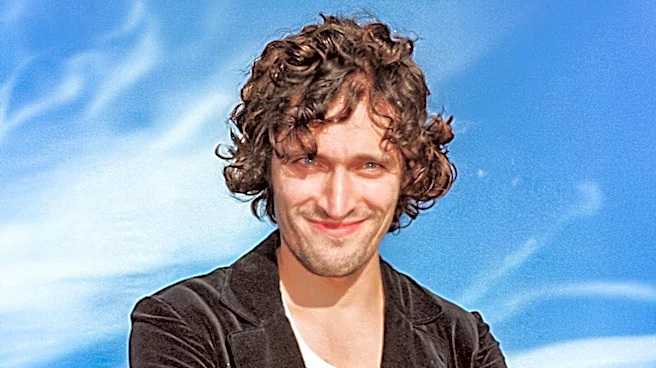
Oobah Butler, a British hoax artist and journalist, is set to premiere his new HBO series, “Oobah: Scams for a Better Tomorrow,” on Sunday, November 22. The show will feature Butler undertaking five fraudulent feats across various industries, including
wellness, wine, music, and online dating, to expose underlying deceptions. An example highlighted is Butler's manipulation of smoke-tainted wine, typically distilled into hand sanitizer, into a product endorsed by top sommeliers and a New York Times wine critic, eventually selling for $500 a bottle. Another segment involves creating a skin serum from children's tears, which gains traction with influencers and Wall Street investors. Butler, known for previous viral stunts like creating a fake restaurant that topped TripAdvisor, aims to reveal deeper insights into human psychology rather than merely pranking individuals. The series was picked up by HBO after an initial pitch for a feature documentary was passed on by A24, with production assistance from Josh Safdie’s Central Pictures and Abso Lutely.
Why It's Important?
The premiere of “Oobah: Scams for a Better Tomorrow” on HBO is significant as it brings a unique form of investigative journalism and social commentary to a broad U.S. audience. Butler's approach, which blends elements of Nathan Fielder and Sacha Baron Cohen, challenges the authenticity and integrity within various American industries, from high-end consumer markets like wine to the burgeoning wellness sector. By exposing how easily experts and investors can be swayed by clever marketing and fabricated narratives, the show could foster increased skepticism among consumers and industry professionals. This could lead to greater scrutiny of product claims and endorsements, potentially influencing regulatory bodies to examine marketing practices more closely. The series also highlights the cultural landscape in the U.S., where, according to Butler, there is a 'wider berth to scam — or market' compared to Europe, suggesting a unique susceptibility to such deceptions in the American context.
What's Next?
Following its debut on November 22, “Oobah: Scams for a Better Tomorrow” is expected to generate discussions around consumer protection, marketing ethics, and the ease with which fraudulent schemes can gain credibility in various U.S. markets. The show's subjects, who have not yet seen the series, may react to their portrayals, potentially leading to public statements or legal challenges, although Butler states he aimed not to 'punch down' and focused on systemic issues rather than average individuals. The series could also inspire other content creators and journalists to adopt similar investigative methods, further scrutinizing industries prone to exaggeration or deception. If successful, the show might pave the way for additional seasons or similar projects on HBO, continuing to explore the psychological underpinnings of scams and the cultural acceptance of inauthenticity in the U.S.
Beyond the Headlines
Beyond its entertainment value, “Oobah: Scams for a Better Tomorrow” delves into profound ethical and cultural implications. The series implicitly questions the value systems that allow superficiality and fabricated narratives to thrive, particularly in industries where perceived exclusivity or scientific backing often dictates value. Butler's ability to secure endorsements from esteemed experts for a product like smoke-tainted wine or to attract investors for a serum made of children's tears underscores a broader societal issue: the prioritization of perceived status and profit over genuine quality or ethical sourcing. The show also touches on the increasing comfort with inauthenticity in the digital age, as highlighted by Butler's observation of AI-generated commercials. This raises questions about media literacy and critical thinking in an environment saturated with potentially misleading information, suggesting a long-term shift in how consumers discern truth from fabrication.