






What's Happening?
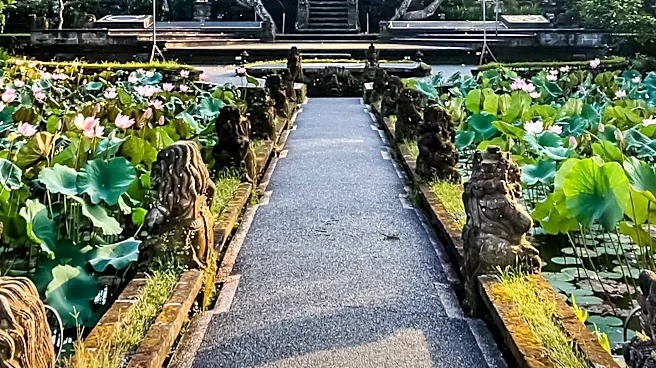
Ubud, located in the central highlands of Bali, Indonesia, is increasingly recognized as a prime destination for wellness and cultural tourism. Nestled among rice terraces and jungles, Ubud offers a tranquil environment that attracts travelers seeking
spiritual journeys, traditional arts, and self-discovery. The area is known for its numerous yoga studios, healing centers, and vegetarian cafes, catering to a growing demand for health-focused travel. Cultural experiences, such as traditional dance performances, Balinese cooking classes, and crafting traditional offerings like 'canang sari,' are deeply rooted in the local heritage and provide immersive experiences for visitors. Key attractions include the Sacred Monkey Forest Sanctuary, Tegallalang Rice Terraces, and Tirta Empul temple with its sacred springs. Many visitors opt for wellness retreats that bundle accommodation, meals, and activities, offering a structured yet relaxing way to engage with Ubud's offerings. The region's focus on fresh, plant-based cuisine further enhances its appeal as a wellness destination.
Why It's Important?
The rise of Ubud as a wellness and cultural tourism hub highlights a significant shift in global travel trends, emphasizing experiential and health-conscious vacations. This trend has implications for the U.S. tourism market, as American travelers increasingly seek destinations that offer more than just leisure, focusing instead on personal growth, cultural immersion, and well-being. For U.S. travel agencies and tour operators, understanding and catering to this demand for destinations like Ubud can open new market segments and revenue streams. The emphasis on sustainable tourism practices, local cultural preservation, and health-oriented services in Ubud also sets a precedent for other destinations globally, including those within the U.S., to develop similar offerings. This shift can influence investment in wellness infrastructure, eco-tourism, and cultural heritage programs, potentially leading to new partnerships and collaborations between U.S. and international tourism entities. Furthermore, the focus on authentic local experiences in Ubud reflects a broader consumer preference that U.S. businesses in the hospitality and travel sectors can adapt to enhance their own offerings.
What's Next?
As Ubud continues to solidify its reputation, future developments are likely to focus on enhancing its infrastructure to support sustainable tourism while preserving its cultural integrity. This may include further development of eco-friendly accommodations, expansion of wellness retreat options, and increased promotion of local artisans and cultural events. There could be a greater emphasis on personalized travel experiences, with local guides offering bespoke tours that delve deeper into Balinese traditions and spirituality. For U.S. travelers, this means more diverse and tailored travel packages becoming available, potentially through specialized wellness travel agencies or direct bookings with local retreat centers. The growing popularity of Ubud may also lead to increased direct flight options or more streamlined travel logistics from the U.S., making the destination more accessible. Additionally, the success of Ubud's model could inspire other regions, both internationally and within the U.S., to invest in and market their unique cultural and wellness assets, fostering a global network of mindful travel destinations.
Beyond the Headlines
Beyond its immediate appeal as a tourist destination, Ubud's success as a wellness and cultural hub reflects deeper societal trends towards holistic well-being and authentic experiences. The emphasis on yoga, meditation, and traditional healing practices in Ubud speaks to a growing global desire for mental and physical rejuvenation, moving away from purely materialistic forms of leisure. This trend has significant implications for the U.S., where there is a rising interest in mindfulness, alternative medicine, and sustainable living. The cultural immersion offered in Ubud, such as learning about Balinese Hinduism and traditional crafts, highlights a yearning for connection to diverse cultures and a deeper understanding of global heritage. This can foster cross-cultural dialogue and appreciation, potentially influencing educational and cultural exchange programs between the U.S. and Indonesia. Furthermore, Ubud's model demonstrates how tourism can be a powerful tool for economic development while simultaneously preserving local traditions and natural environments, offering valuable lessons for communities worldwide grappling with the challenges of balancing progress with preservation.