







What's Happening?
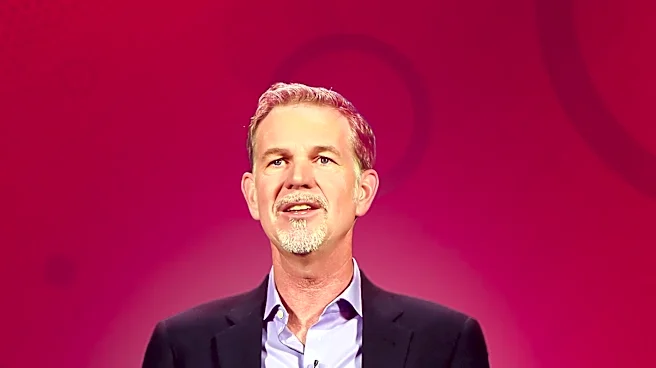
Reed Hastings, co-founder of Netflix, has voiced his disapproval of the common corporate phrase, 'We're like a family here.' Hastings argues that this metaphor is problematic because, unlike family members, employees can be laid off. He highlighted this concern
by stating, 'You would never lay off two of your kids, right?' This critique suggests that companies often use the 'family' analogy to demand loyalty and extra effort from employees without offering the job security or unconditional support typically associated with a family unit. The discussion around Hastings's comments extends to how companies can foster a supportive culture without making false promises. Some businesses, like All In One Accounting, are implementing practices such as flexible work schedules, untracked personal time off for personal appointments, and remote-first policies to genuinely support employees' lives outside of work. These practices aim to create an environment where employees feel valued and supported, especially during personal crises, rather than relying on a potentially misleading 'family' narrative.
Why It's Important?
Hastings's critique is significant for U.S. corporate culture as it challenges a widely used, yet often disingenuous, approach to employee relations. The 'family' metaphor, while seemingly benign, can create an expectation of loyalty that is not reciprocated with job security or comprehensive support, potentially leading to employee disillusionment and burnout. In an era where employee well-being and work-life balance are increasingly prioritized, Hastings's comments underscore the need for transparency and authenticity in corporate messaging. Companies that adopt genuine supportive practices, such as flexible PTO and remote work options, are likely to see improved employee morale, retention, and productivity. Conversely, organizations that continue to use the 'family' rhetoric without substantive support risk damaging their employer brand and struggling to attract and retain top talent, particularly as younger generations enter the workforce with different expectations regarding corporate responsibility and employee treatment. This shift in perspective can influence HR policies, leadership training, and overall organizational development across various industries.
What's Next?
Following Hastings's prominent criticism, more companies may re-evaluate their internal communication strategies and corporate culture narratives. There could be a trend towards more explicit and honest language regarding employee relationships, moving away from familial metaphors to terms that reflect professional respect and mutual benefit. Businesses might increasingly invest in tangible support systems, such as enhanced flexible work policies, mental health resources, and clear career development paths, to demonstrate genuine care for their employees. This could also lead to a greater emphasis on leadership training that focuses on emotional intelligence and relational skills, as suggested by Hastings, to build authentic connections within teams. Furthermore, the conversation may prompt a broader industry discussion on ethical employer practices and the responsibilities companies have towards their workforce, potentially influencing future labor policies and corporate governance standards. Companies that adapt to this evolving understanding of corporate culture are likely to gain a competitive edge in talent acquisition and retention.
Beyond the Headlines
The deeper implication of Hastings's statement lies in the evolving social contract between employers and employees in the U.S. workforce. The 'family' metaphor often masks a power imbalance, where employees are expected to make personal sacrifices for the company without the reciprocal guarantee of lifelong security or unconditional care. This can lead to a culture of fear and insecurity, particularly during economic downturns or corporate restructuring. By dismantling this metaphor, Hastings encourages a more realistic and equitable relationship, one built on clear expectations, mutual respect, and genuine support rather than emotional manipulation. This shift could foster a more resilient and adaptable workforce, where individuals feel empowered and valued for their contributions, rather than feeling like disposable 'family members.' It also highlights the ethical responsibility of leadership to create environments that are truly supportive, acknowledging the full lives of their employees, and moving beyond superficial gestures to implement policies that reflect true commitment to their well-being. This re-evaluation could ultimately lead to more sustainable and humane business practices.