








What's Happening?
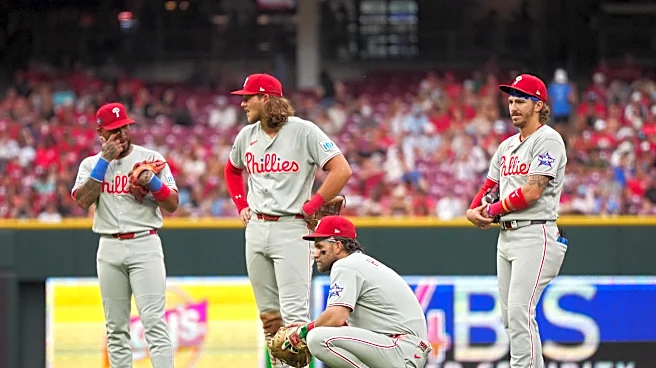
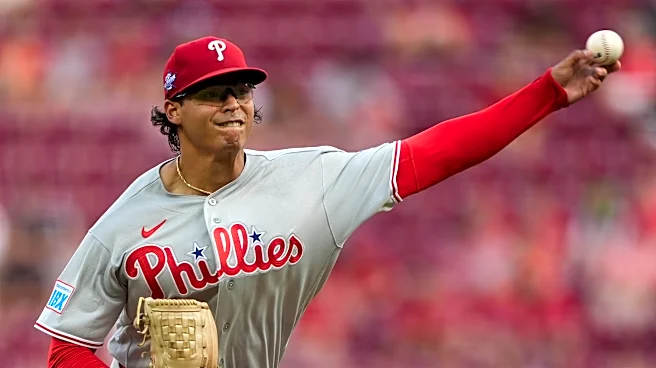
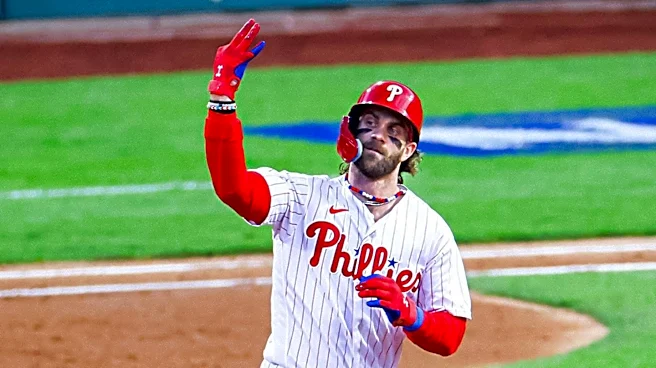
The Philadelphia Phillies have made a strategic lineup change by positioning Bryce Harper as the leadoff hitter in their game against the Cincinnati Reds. This marks only the 40th time in Harper's Major League Baseball (MLB) career that he has been placed
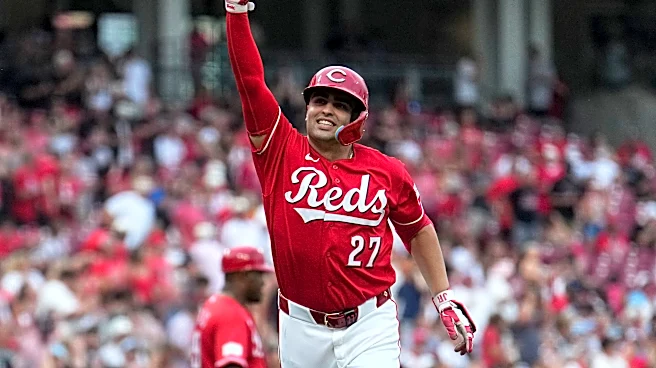
in the leadoff spot. The decision comes as the Phillies face the Reds' ace pitcher, Chase Burns, who boasts a 2.40 ERA and a 10-1 record. Harper, who is also playing first base, leads a lineup that includes Kyle Schwarber, Brandon Marsh, and Bryson Stott in the top four positions. Historically, Harper has not frequently been used as a leadoff hitter, with only 39 games and 148 at-bats in this role throughout his career. In these appearances, he has achieved a .264 batting average and a .908 OPS, with 39 hits, 22 runs, and 11 home runs. The decision to place Harper at the top of the lineup is notable, especially with Trea Turner on the bench, and it remains to be seen if this will become a regular strategy for the Phillies.
Why It's Important?
This lineup adjustment by the Phillies could have significant implications for their offensive strategy. By placing Bryce Harper, a player known for his power hitting, in the leadoff position, the team may be looking to capitalize on his ability to get on base and score early in the game. This move could also be a tactical response to the challenge posed by the Reds' strong pitching. If successful, this strategy might influence future lineup decisions, potentially altering the dynamics of the Phillies' batting order. For Harper, this rare opportunity to lead off could enhance his versatility and value as a player, showcasing his adaptability in different batting roles. The outcome of this game and Harper's performance in the leadoff spot could impact the Phillies' approach in upcoming games, especially as they navigate the competitive landscape of the MLB season.
What's Next?
The Phillies' decision to use Bryce Harper as a leadoff hitter will be closely watched by fans and analysts alike. If Harper performs well in this role, it could lead to more frequent appearances at the top of the lineup, especially in matchups against strong pitchers. The team's management will likely evaluate the effectiveness of this strategy and consider its potential as a regular tactic. Additionally, the performance of the Phillies in this game could influence their momentum as they approach the All-Star break, potentially affecting their standings and playoff prospects. Observers will be keen to see if this lineup change is a one-time experiment or the beginning of a new trend for the team.