








What's Happening?
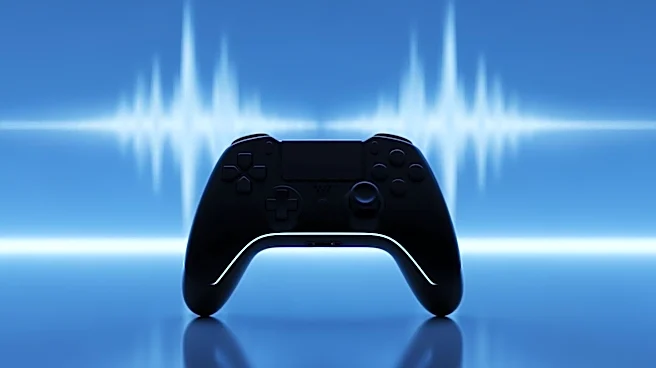
Valve has announced changes to its reservation estimates for the Steam Controller due to unexpectedly high demand. The controller, which launched on May 4, has seen such popularity that Valve has been unable to keep up with production. Initially, Valve implemented
a reservation system to manage the demand, notifying customers when the controller was back in stock. However, the demand has exceeded Valve's expectations, leading to a bottleneck in production. As a result, Valve has updated its reservation page to provide customers with estimated delivery windows based on when their reservation was made. These windows are categorized as 'By September 2026', 'By December 2026', or 'In 2027'. New reservations are likely to fall into the 2027 window, indicating a significant delay for those who have not yet reserved a controller.
Why It's Important?
The high demand for the Steam Controller highlights a growing interest in gaming peripherals that enhance the PC gaming experience. This demand surge could indicate a shift in consumer preferences towards more versatile gaming setups, potentially influencing future product development in the gaming industry. For Valve, managing customer expectations and production capabilities will be crucial to maintaining consumer trust and satisfaction. The delays could also impact Valve's market position, as prolonged wait times might drive potential customers to seek alternative products. This situation underscores the challenges companies face in balancing supply and demand, particularly in the tech industry where rapid changes in consumer interest can occur.
What's Next?
Valve will need to address its production challenges to meet the high demand for the Steam Controller. This may involve scaling up manufacturing capabilities or exploring partnerships to increase output. As the estimated delivery windows approach, Valve will likely update customers on their order status, which could affect consumer satisfaction and brand loyalty. Additionally, competitors may seize this opportunity to introduce similar products, potentially capturing market share from Valve. The company's response to these challenges will be critical in determining its future success in the gaming peripheral market.