



What's Happening?
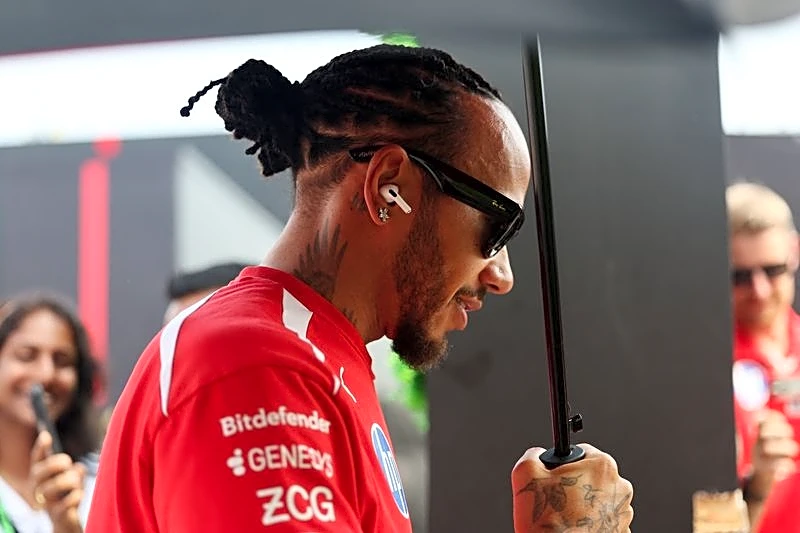
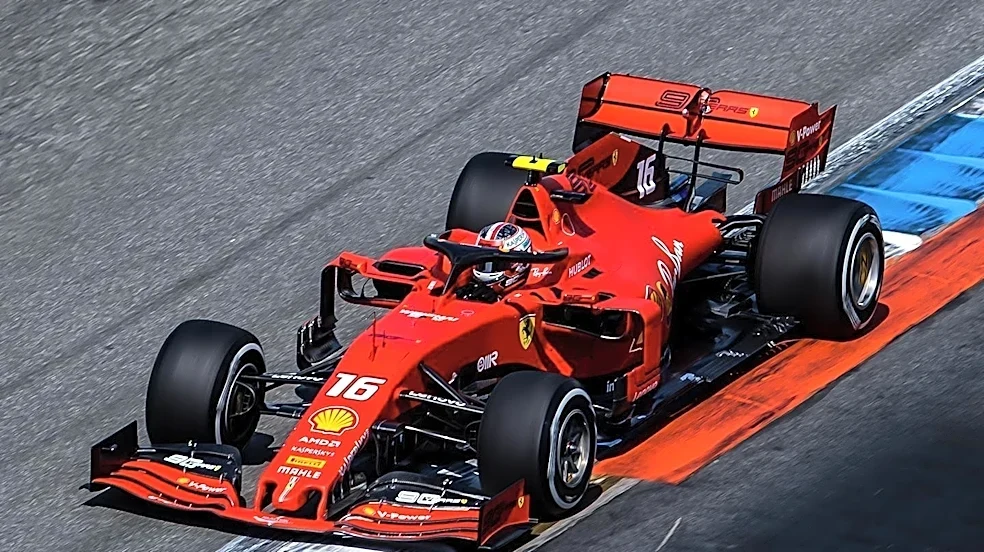
Charles Leclerc, a Ferrari driver, has openly stated that Ferrari's Formula 1 car is suffering from a fundamental lack of raw performance compared to its rivals. This admission comes as the team prepares to introduce its most significant upgrade package
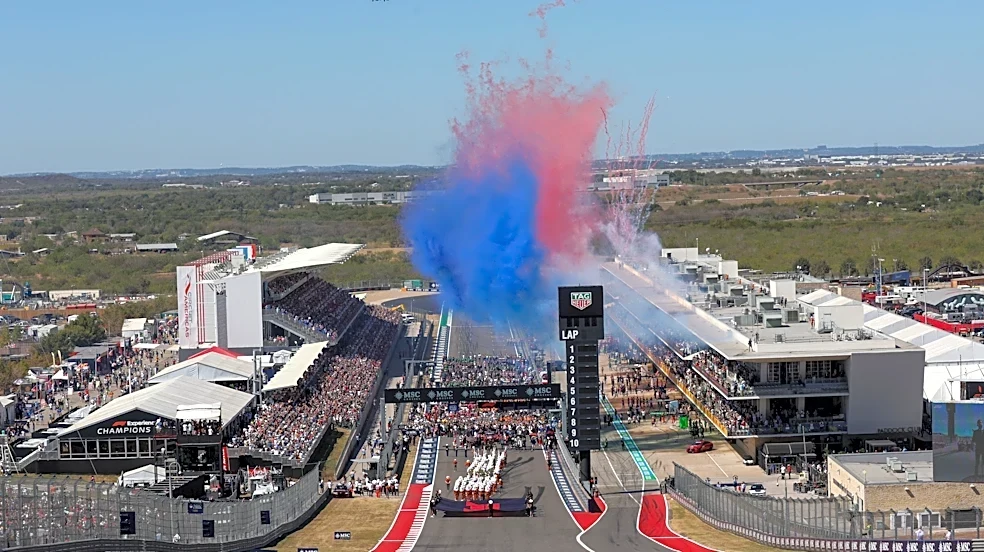
of the season at the upcoming United States Grand Prix in Austin. Leclerc notes that while the team's baseline setup work is strong and the correlation between the simulator and the track is accurate, these factors do not address the underlying issue of the car's inherent performance deficit. He dismisses the idea that simply altering the car's characteristics, such as making it more 'peaky,' would unlock hidden lap time, emphasizing that the machine's core potential lags behind competitors. Ferrari has reportedly struggled with straight-line power deficits this year after opting for a smaller turbo to improve low-speed behavior, sacrificing their traditional top-speed advantage.
Why It's Important?
This candid assessment from a key driver like Charles Leclerc highlights significant challenges for Ferrari in the highly competitive Formula 1 landscape. The acknowledgment of a fundamental lack of raw pace, rather than setup issues, indicates a deeper engineering problem that could impact the team's performance not just in the short term but also in future seasons. For the U.S. Grand Prix, the introduction of a major upgrade package—including a new floor, sidepods, and bodywork—becomes crucial. Its success or failure will determine Ferrari's ability to close the performance gap and potentially challenge for wins. The team's current position, second in the constructors' standings but 134 points behind Mercedes, underscores the urgency of these improvements. A failure to address this core performance issue could lead to a continued struggle for competitiveness, affecting their standing in the sport and potentially their commercial appeal.
What's Next?
Ferrari is set to introduce its largest upgrade package of the season at the United States Grand Prix. This package will include a new floor, sidepods, and bodywork, with the aim of improving the car's overall performance. The team hopes these updates will help them regain competitiveness and potentially secure their third victory of the season, while also maintaining their lead over McLaren in the fight for second place in the constructors' championship. The performance of these upgrades in Austin will be closely watched, as it will indicate whether Ferrari can effectively address the raw pace deficit identified by Charles Leclerc. The upcoming races in Mexico and Brazil will also provide further opportunities to assess the impact of these developments.
Beyond the Headlines
Charles Leclerc's frank assessment of Ferrari's performance issues points to a broader trend in Formula 1 where incremental gains in car development are paramount. The decision to sacrifice straight-line speed for low-speed behavior, and the subsequent struggle, illustrates the complex trade-offs involved in car design. This situation also highlights the immense pressure on engineering teams to deliver effective upgrades, especially when a driver publicly identifies a 'fundamental' flaw. The success of the upcoming upgrade package in Austin will not only impact Ferrari's immediate championship aspirations but also influence the team's long-term development philosophy and potentially its driver lineup strategies. The ongoing battle for second place in the constructors' championship, with Mercedes and McLaren, adds another layer of intensity, as prize money and prestige are at stake.