









What's Happening?
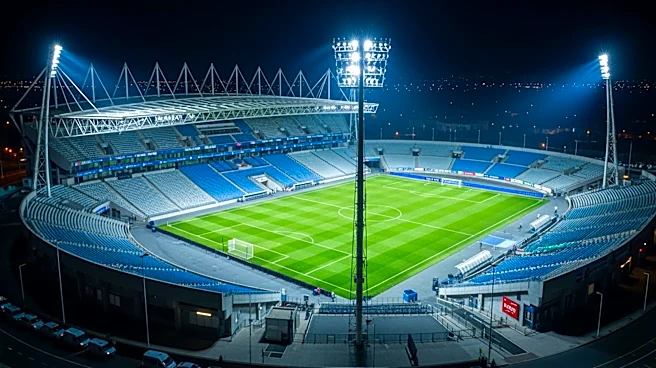
The 2026 FIFA World Cup will see England and Scotland playing at various stadiums across the United States. Key venues include Gillette Stadium in Foxborough, Massachusetts, and AT&T Stadium in Arlington, Texas. These stadiums will host several group
stage matches, with England and Scotland playing multiple games. The event marks a significant logistical undertaking, with stadiums undergoing temporary renaming and security arrangements. The Gillette Stadium, for instance, faced a $7.8 million security bill dispute, which was resolved with local authorities. The World Cup will also see stadiums like MetLife in New Jersey and Hard Rock in Miami hosting matches.
Why It's Important?
The 2026 World Cup is a major international event, bringing significant economic and cultural impact to the U.S. The selection of venues highlights the country's capacity to host large-scale events, with implications for local economies and tourism. The event also underscores the importance of security and logistical planning, as seen in the resolution of disputes over security costs. The World Cup will likely boost local businesses and provide a platform for cultural exchange, while also testing the infrastructure and organizational capabilities of host cities.
What's Next?
As the World Cup approaches, preparations will intensify, with a focus on finalizing security and logistical arrangements. Host cities will continue to coordinate with FIFA and local authorities to ensure smooth operations. The event will also prompt discussions on the long-term benefits and challenges of hosting such a large-scale event, including infrastructure improvements and economic impacts. Public and media attention will focus on the execution of the event and its broader implications for international sports and cultural exchange.