






What's Happening?
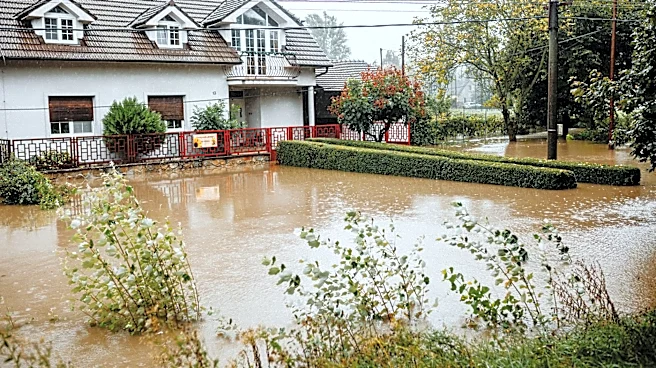
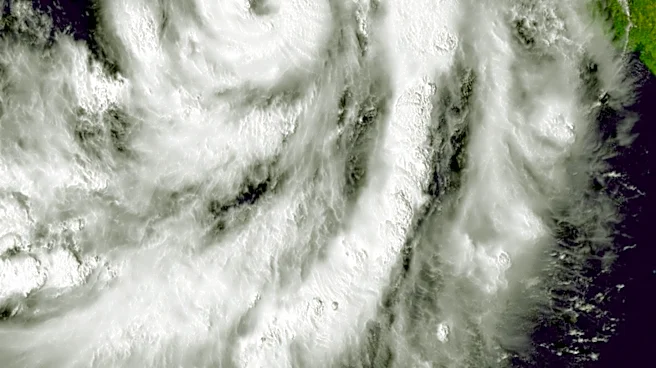
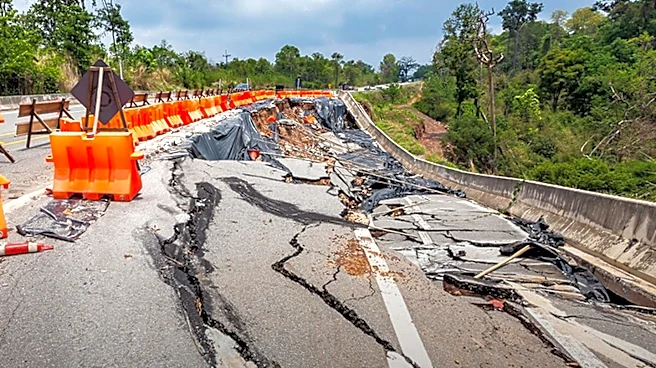
The financial industry is responding to the increasing risk of severe weather by developing new tools to evaluate the resilience of multifamily housing. Developers and builders are investing in resilient construction features to protect properties from
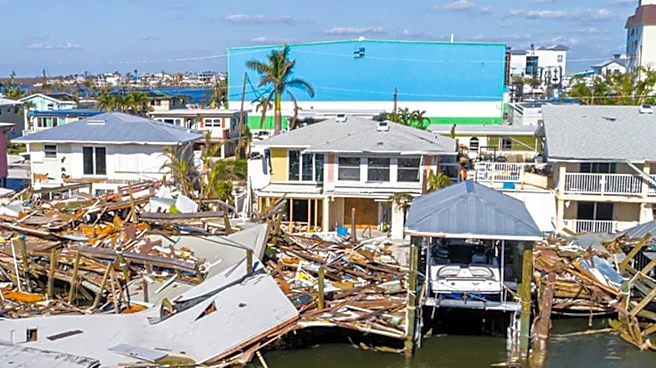
extreme weather events. However, these investments are not always reflected in property valuations, insurance underwriting, or lending decisions. To address this, lenders and insurance companies are working on methodologies to accurately value properties that incorporate resilience measures. CPC Climate Capital, a financing firm, is among those evaluating financial resilience during project capitalization or recapitalization. The firm aims to assess hazard risks early and align resilience measures with planned improvements. Additionally, some developers are adopting the FORTIFIED standard, which exceeds local codes and focuses on roof protection, building envelopes, structural continuity, and power readiness. Homes built to this standard have shown significantly fewer insurance claims and lower losses during events like Hurricane Sally.
Why It's Important?
The development of tools to value resilience in multifamily housing is crucial as climate change increases the frequency and severity of extreme weather events. By accurately valuing resilient construction features, the financial industry can incentivize developers to invest in these measures, potentially reducing future losses and insurance claims. This shift could lead to more sustainable and secure housing options, benefiting both property owners and residents. Moreover, it aligns financial incentives with environmental and safety goals, promoting long-term economic stability in the housing sector. As resilience becomes a more significant factor in property valuation, it could reshape investment strategies and insurance policies, ultimately influencing the broader real estate market.
What's Next?
As the financial industry continues to refine its tools and methodologies, we can expect a greater emphasis on resilience in property valuations and insurance underwriting. This may lead to increased adoption of standards like FORTIFIED, encouraging more developers to incorporate resilience features in their projects. Stakeholders, including policymakers, may also push for regulatory changes to support these initiatives. The ongoing development of analytical tools will likely enhance the industry's ability to assess and mitigate risks associated with severe weather, potentially leading to more resilient communities and reduced economic losses from natural disasters.