





What's Happening?
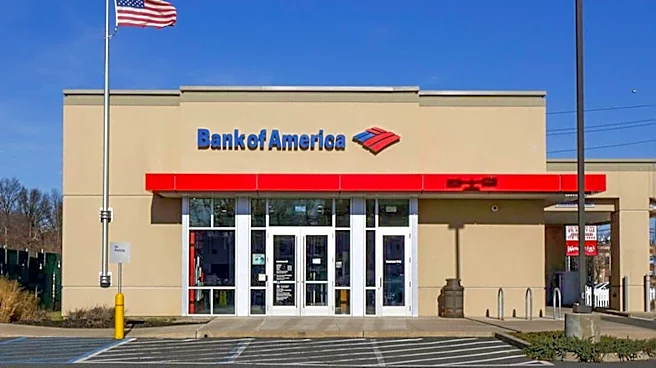
Traditional banks, also known as legacy banks, are established financial institutions characterized by their physical branches, ATM networks, and in-person services. They provide a comprehensive suite of financial products, including checking accounts,
investment options, and traditional lending solutions such as small business term loans and lines of credit. However, these institutions often impose stringent requirements for small businesses, particularly concerning credit history, revenue, and collateral. While offering stability and direct customer interaction, traditional banks may also implement transaction limits and levy various monthly or hidden fees. Their digital infrastructure is frequently less advanced compared to modern fintech solutions, leading to limited integration options and potentially less seamless digital experiences for businesses. The choice between traditional banks and fintechs for small businesses ultimately depends on their specific priorities, goals, and operational models.
Why It's Important?
The operational model of traditional banks significantly impacts U.S. small businesses, particularly those in their early stages or looking to scale rapidly. While offering essential services like loans and lines of credit, their strict requirements for credit, revenue history, and collateral can create barriers for newer or less established businesses. This can limit access to crucial funding needed for growth and expansion. The potential for transaction limits and various fees can also add to the financial burden of small businesses, which often operate on thin profit margins. Furthermore, the less modern digital experiences and limited integration options offered by traditional banks can hinder efficiency and automation, forcing businesses to engage in more manual processes. This friction can be a disadvantage in a fast-paced business environment where speed and seamless digital operations are increasingly vital for competitiveness and managing cash flow effectively.
What's Next?
Small businesses evaluating banking options will need to carefully weigh the benefits of traditional banks against their potential drawbacks. For businesses prioritizing in-person service and ATM access, traditional banks remain a viable choice. However, those seeking accelerated growth, clear cash flow visibility, and integrated financial tools may find traditional banks less suitable due to their infrastructure and digital limitations. The ongoing evolution of the financial sector suggests that traditional banks may face increasing pressure to modernize their digital offerings and streamline their processes to better compete with fintech solutions. Small businesses will likely continue to see a divergence in banking services, with traditional banks catering to those valuing stability and physical presence, while fintechs attract businesses seeking agility, advanced digital tools, and potentially lower fees. The decision will increasingly hinge on a business's specific stage of development and its strategic financial priorities.
Beyond the Headlines
The dynamic between traditional banks and emerging fintechs highlights a broader shift in the financial services landscape, particularly for small businesses. Beyond the immediate practicalities of fees and digital interfaces, this competition underscores a fundamental re-evaluation of what constitutes 'value' in banking. Traditional banks, with their established physical presence and long-standing reputations, embody a sense of security and trust that many businesses still value. However, their often rigid structures and slower adoption of digital innovations can inadvertently create an environment where smaller, more agile businesses struggle to access capital or manage finances efficiently. This situation raises questions about financial inclusion and the ability of traditional institutions to adapt to the evolving needs of a digitally-driven economy. The long-term implication could be a more segmented banking market, where businesses choose providers not just based on services, but on alignment with their operational philosophy and growth trajectory, potentially pushing traditional banks to innovate or risk losing a significant segment of the small business market.