





What's Happening?
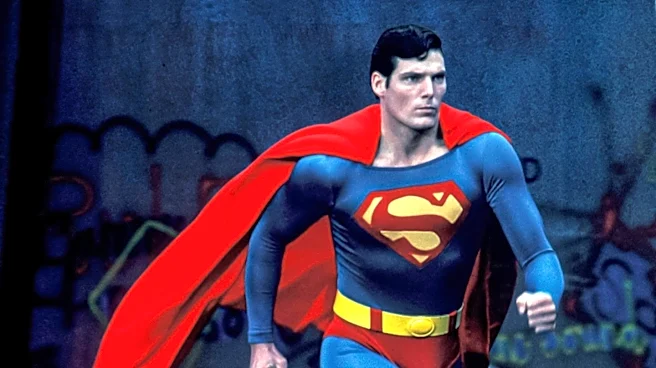
Clint Eastwood famously turned down the role of Superman in Richard Donner's 1978 film, a part that ultimately went to Christopher Reeve and became iconic. Eastwood revealed his disinterest in the role, stating, 'Superman? Nah, nah, that’s not for me.'
At the time, Eastwood was deeply involved in his own acting and burgeoning directing career, shooting films like 'The Gauntlet' and 'Every Which Way But Loose.' His decision stemmed from a preference for characters that were less overtly heroic and more morally ambiguous, a hallmark of his roles like the Man with No Name and Dirty Harry. He also sought greater creative control, which directing offered, rather than being part of a large franchise where he would have less influence over the final product.
Why It's Important?
Eastwood's refusal of the Superman role highlights a pivotal moment in his career, signaling his clear artistic direction towards more complex characters and a growing commitment to directing. This decision allowed him to cultivate a distinct cinematic identity, contrasting with the more straightforward heroism of Superman. It also underscores the differing philosophies actors have regarding franchise roles versus projects offering greater creative autonomy. While the 1978 'Superman' became a massive box office success, launching Christopher Reeve's career, Eastwood's choice enabled him to build an equally successful career behind the camera, eventually directing acclaimed films like 'Million Dollar Baby.' This demonstrates that for some artists, creative control and alignment with personal artistic vision outweigh the allure of massive commercial success in established franchises.
What's Next?
While this event occurred in 1978, its implications continue to resonate in discussions about actor choices and career trajectories. Eastwood continued to build a prolific career as both an actor and director, consistently choosing projects that aligned with his artistic sensibilities. His recent work, such as directing 'Juror #2' starring Nicholas Hoult, demonstrates his enduring commitment to filmmaking. The legacy of his decision serves as a case study for contemporary actors weighing similar choices between joining major franchises and pursuing more independent or creatively controlled projects. The film industry continues to see actors make similar decisions, often balancing the financial security of franchise roles with the artistic fulfillment of other ventures.
Beyond the Headlines
Eastwood's decision to forgo Superman delves into the deeper philosophical debate within Hollywood about artistic integrity versus commercial appeal. His preference for characters with moral ambiguity over a purely good superhero reflects a desire to explore more nuanced human experiences, a theme that has defined much of his work. This choice also foreshadowed a shift in the industry where actors increasingly sought to transition into directing to gain more control over storytelling. It raises questions about the long-term impact of an actor's choices on their legacy and the types of narratives they contribute to cinema. Eastwood's career trajectory suggests that sometimes, turning down a seemingly career-defining role can lead to a more personally fulfilling and artistically significant path, shaping not just his own career but also influencing subsequent generations of filmmakers.