




What's Happening?
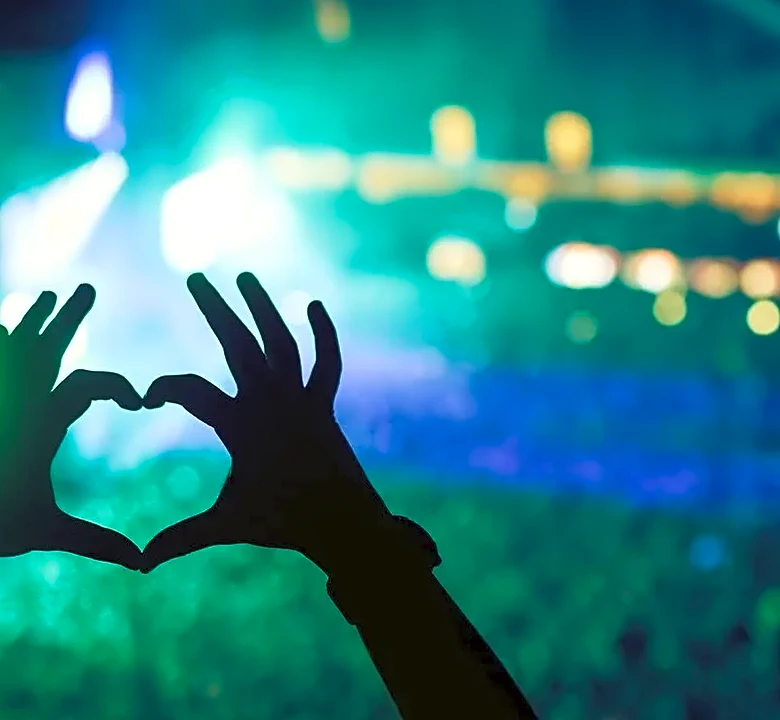
Live Nation Entertainment, a global leader in live entertainment, has released a new global report titled 'The Return to Real.' This report, based on surveys of tens of thousands of fans worldwide, indicates a significant cultural shift where people increasingly
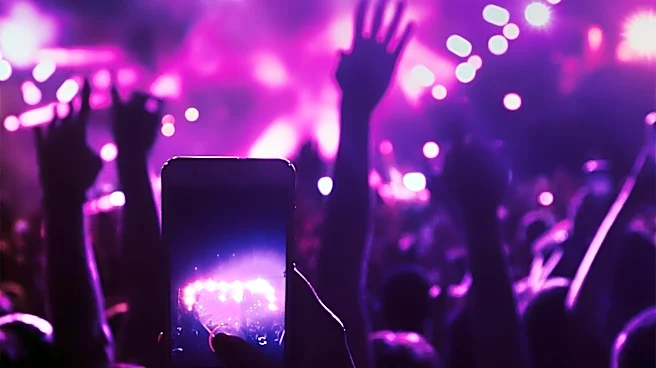
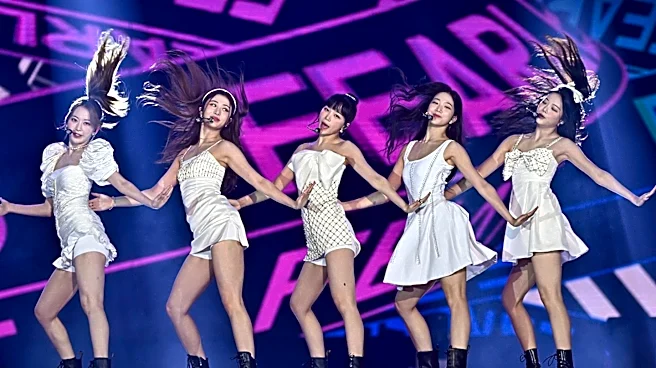
value real-world experiences over digital ones. The study found that 93% of fans prefer real experiences, and 80% would rather spend on experiences than on material goods. Live music has been identified as the world's favorite form of entertainment. This trend is particularly evident in the U.S., where Live Nation anticipates its busiest week for fan attendance this year. The report suggests that as technology becomes more integrated into daily life, the authenticity and tangibility of live events become more appealing, offering an undeniable reality that digital interactions often lack. Russell Wallach, Global President, Live Nation Media & Sponsorship, emphasized that experiences worth leaving home for are more important than ever in an increasingly mobile-centric world.
Why It's Important?
This report is important for the entertainment industry, particularly for companies like Live Nation, as it validates their core business model and highlights a growing consumer demand for live events. For brands across various sectors, the findings present a significant opportunity to re-evaluate and adapt their loyalty programs and marketing strategies. The study reveals that while 66% of fans have engaged with loyalty programs, 64% feel less loyal to brands, and 71% perceive loyalty programs as largely similar. However, over 90% of respondents indicated that live music benefits would motivate them to join or switch loyalty programs. This suggests that integrating live experiences into loyalty initiatives could be a powerful tool for fostering deeper customer relationships and brand loyalty. Companies like Spotify, Mastercard, and Lowe's are already responding by incorporating live experiences and exclusive access into their customer engagement strategies, recognizing the emotional connection and lasting memories that live events create.
What's Next?
In response to these findings, Live Nation and other brands are likely to further invest in and integrate live experiences into their marketing and customer retention efforts. The report serves as a guide for brands looking to connect with consumers on a more profound level, moving beyond traditional digital engagement. We can expect to see more collaborations between entertainment companies and brands from diverse sectors, aiming to offer unique, real-world benefits to their customers. This could include exclusive access to concerts, special event packages, or loyalty programs that reward participation in live events. The emphasis on 'real' experiences may also influence how artists and event organizers curate their shows, potentially leading to more immersive and interactive live performances to meet the heightened demand for authentic engagement. The continued integration of digital platforms, as seen with Spotify's 'Reserved,' will likely focus on enhancing the live experience rather than replacing it.
Beyond the Headlines
The 'Return to Real' trend highlighted by Live Nation's report points to a deeper societal shift in how individuals seek meaning and connection in an increasingly digitalized world. As artificial intelligence and digital content become more pervasive, there's a growing human need for tangible, shared experiences that offer an undeniable sense of reality. This extends beyond entertainment to other aspects of life, suggesting a broader cultural re-evaluation of what constitutes 'value.' The report implicitly touches on the psychological impact of digital saturation, where the authenticity of human interaction and shared moments becomes a premium. For brands, this isn't just about marketing; it's about understanding evolving consumer psychology and building genuine connections. The ethical implications for brands lie in ensuring these 'real' experiences are accessible and inclusive, avoiding the creation of exclusive, unattainable tiers that could exacerbate social divides. This trend could also foster a renewed appreciation for local communities and physical spaces where such experiences can thrive.