

What's Happening?
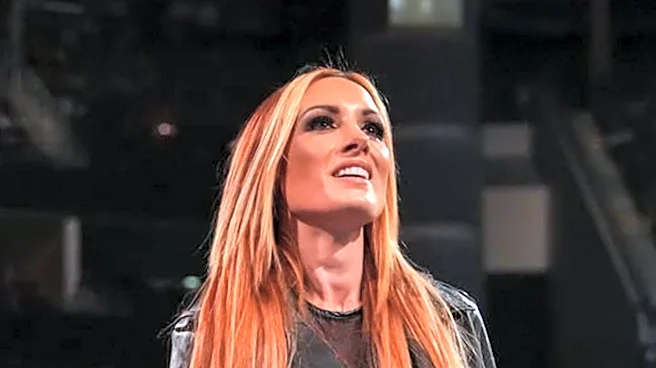
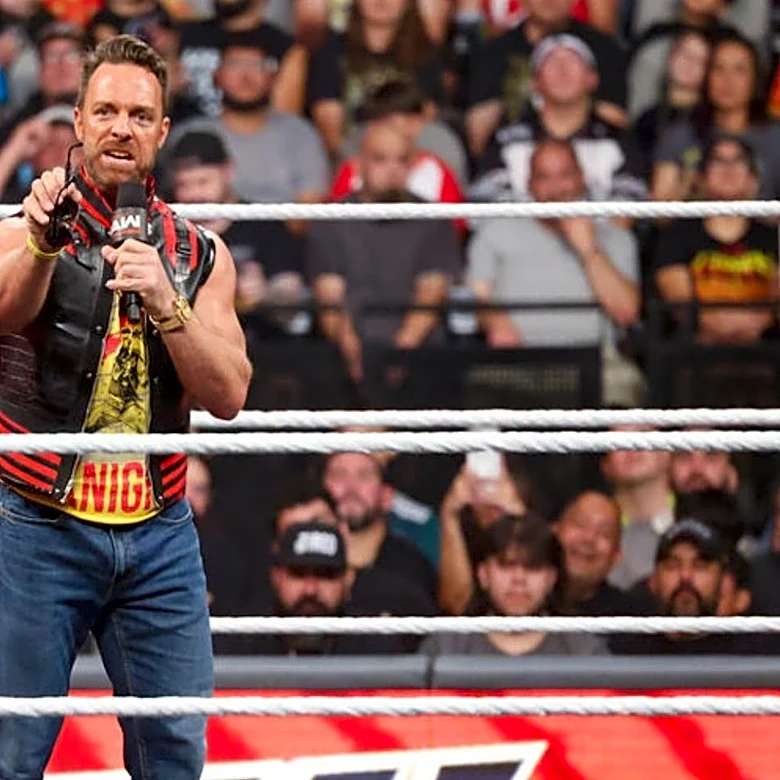
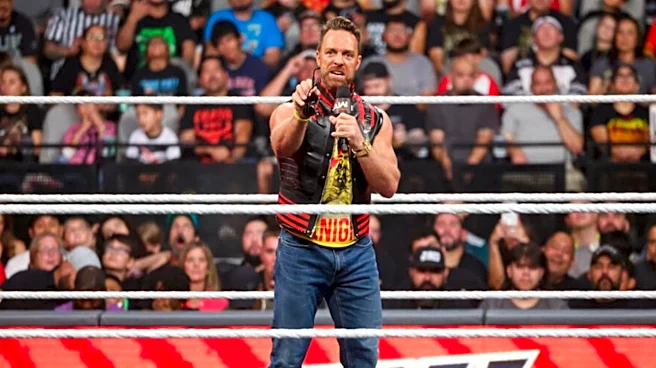
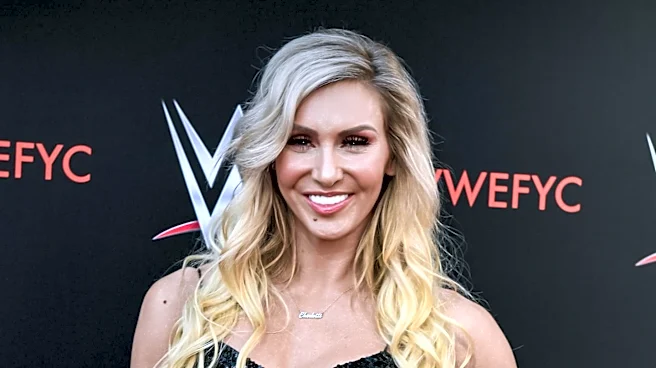
WWE stars Becky Lynch and JD McDonagh have ignited a social media firestorm after their exchange on WWE RAW. During an in-ring segment, Lynch directed several personal insults at McDonagh, including comments about his mother's concerns regarding his WWE role,
his physical appearance, and his affiliation with The Judgment Day. Lynch stated she had known McDonagh since he was 12 and had spoken to his mother, who was reportedly stressed about his involvement with 'inapp dopes' and being 'owned by a Funko Pop head.' McDonagh, whose real name is Jordan Devlin McDonagh, later responded on X (formerly Twitter), accusing WWE of workplace bullying. He claimed he is body-shamed on television weekly and that Lynch 'dead-named' him. McDonagh's tweet also highlighted a perceived lack of support for 'rich, handsome, straight white men' within the company. Lynch subsequently replied to McDonagh's tweet, referencing his mother again, which further fueled the online interaction and fan reactions.
Why It's Important?
This public dispute between Becky Lynch and JD McDonagh highlights several significant aspects within the professional wrestling industry and broader entertainment. Firstly, it underscores the blurring lines between on-screen storylines and real-life interactions, as the 'social media firestorm' demonstrates how in-character comments can spill over into genuine online grievances. McDonagh's accusation of 'workplace bullying' and 'body shaming' raises questions about the nature of creative freedom versus performer well-being in WWE. His specific mention of being 'dead-named' and the perceived lack of support for certain demographics could spark discussions about diversity, inclusion, and the treatment of talent within major entertainment corporations. For WWE, such public disagreements, even if partially storyline-driven, can impact its public image and potentially influence how talent is perceived and managed. It also reflects the increasing role of social media as a platform for performers to voice concerns, which can either amplify storylines or expose underlying tensions.
What's Next?
The immediate aftermath of this social media exchange will likely see continued fan engagement and speculation regarding the nature of the dispute. WWE's creative team may choose to integrate this real-life tension into future storylines, potentially escalating the feud between Becky Lynch and JD McDonagh on WWE RAW. This could involve further verbal confrontations, or even lead to a match or a more prolonged storyline involving The Judgment Day. Alternatively, WWE might address the 'workplace bullying' claims internally, though public statements on such matters are rare unless a formal complaint is made. The incident could also prompt a review of how personal insults and 'dead-naming' are used in promos, especially if it generates significant negative feedback from the audience or talent. The ongoing online interaction between the two wrestlers and their fans will be a key indicator of how this situation evolves, potentially influencing future booking decisions and character developments.
Beyond the Headlines
Beyond the immediate wrestling storyline, this incident touches upon deeper issues concerning professional conduct and the boundaries of entertainment in a highly public sphere. McDonagh's claim of 'dead-naming' and body shaming, even within a wrestling context, raises ethical questions about the use of personal attacks for entertainment value. It highlights the fine line between compelling narrative and potentially harmful rhetoric, especially when performers' real identities and personal histories are invoked. The broader implication for the entertainment industry is the ongoing challenge of managing talent's public personas and their social media presence, where 'kayfabe' (the traditional portrayal of staged events as real) increasingly clashes with modern transparency and calls for accountability. This event could contribute to a larger conversation about mental health, body image, and respectful discourse within competitive entertainment, prompting organizations to re-evaluate their guidelines for on-screen interactions and off-screen conduct.