






What's Happening?
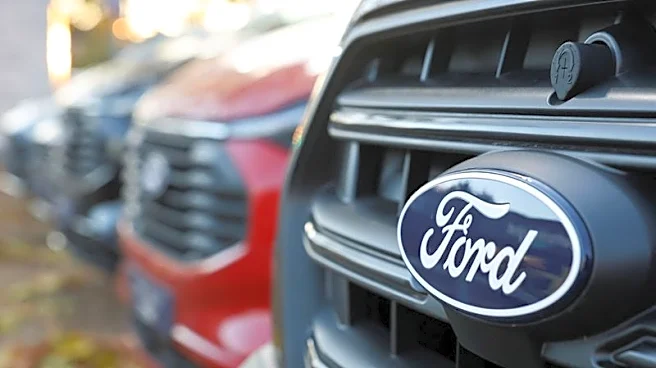
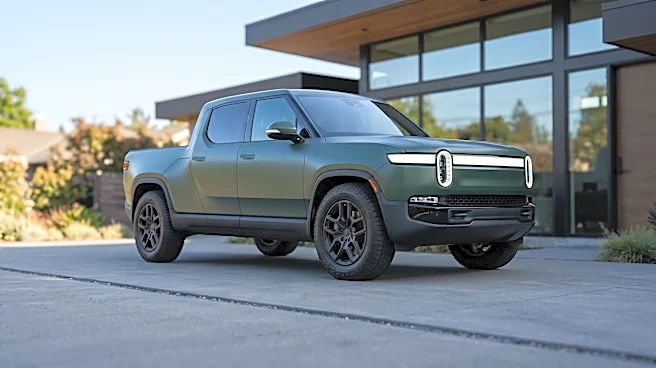
Pacific Gas and Electric Company (PG&E) is collaborating with Ford to integrate Ford's new Fathom mid-size electric truck, which offers bidirectional power capabilities, into residential energy solutions. The Fathom truck, set to arrive in 2027, will
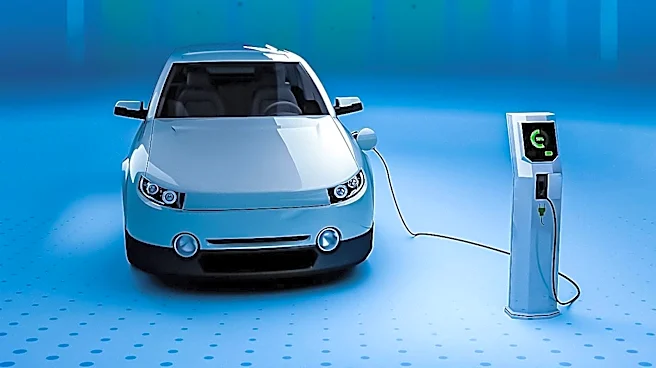
be the first EV under $30,000 from a major automaker to provide this feature. Bidirectional power allows the truck to not only charge from a home but also supply power back to the home, acting as a clean and quiet alternative to traditional gas or diesel generators during outages. This technology also enables customers to charge their vehicles when electricity costs are low and use the truck to power their homes when rates are higher, potentially leading to cost savings. PG&E's role involves ensuring a simple and effective way for these vehicles to connect to the grid through its existing Vehicle-to-Everything program. In July 2026, Ford established a utility working group, including PG&E, to address grid integration challenges and develop standardized connection protocols.
Why It's Important?
This collaboration is significant for the U.S. energy landscape and consumers. It democratizes access to home backup power, moving it from a luxury feature to a more affordable and accessible option for a broader range of families. The integration of bidirectional electric vehicles (EVs) into the grid can enhance energy resilience, particularly in regions prone to power outages, by providing a distributed source of backup power. For PG&E, this initiative aligns with efforts to modernize the grid and incorporate new energy technologies. The ability for EVs to act as mobile batteries could also help stabilize the grid by allowing users to optimize energy consumption based on pricing, thereby reducing peak demand. This development could accelerate EV adoption by offering additional practical benefits beyond transportation, influencing consumer purchasing decisions and potentially reducing reliance on fossil fuel-powered generators.
What's Next?
The Ford Fathom truck is expected to arrive in 2027, at which point consumers will begin to see the practical application of this bidirectional technology. The utility working group, including PG&E, will continue to refine the rules and standards for connecting bidirectional EVs to the grid, focusing on recognizing differences in customer usage, anticipating changes in charging standards, and fostering collaborative solutions among utilities, regulators, and automakers. Further developments will likely include the expansion of PG&E's Vehicle-to-Everything program to accommodate a growing number of bidirectional EVs and potentially new rate structures or incentives designed to encourage vehicle-to-grid participation. The success of this initiative could also spur other automakers to develop similar affordable bidirectional EV options, further transforming the residential energy market.
Beyond the Headlines
The broader implications of this technology extend to energy independence and environmental sustainability. By enabling homes to draw power from EVs, the initiative reduces reliance on centralized power grids during disruptions, enhancing household energy security. Environmentally, replacing gas or diesel generators with electric vehicle power contributes to a reduction in local air pollution and greenhouse gas emissions. This shift also highlights a growing trend towards decentralized energy systems and the 'prosumer' model, where consumers are also producers or suppliers of energy. The collaboration between an automotive giant and a major utility company signals a convergence of the transportation and energy sectors, potentially leading to innovative business models and a more integrated energy ecosystem. This could also raise questions about grid management, data privacy related to energy usage, and the need for robust cybersecurity measures to protect connected vehicles and homes.