


What's Happening?
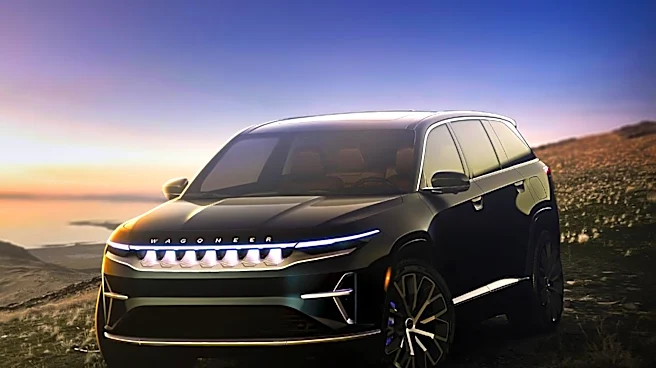
Stellantis has postponed the production start for its Jeep Wagoneer EREV and Ram 1500 REV models in North America. The Jeep Wagoneer EREV, initially slated for a May production launch, is now expected to begin production in November, representing an approximate
six-month delay. This decision stems from technical challenges related to power management and drivetrain issues within a new generator-based EREV system. The EREV system in the Jeep Wagoneer operates with electric motors driving the wheels, while a V6 engine functions solely as a generator to produce electricity, rather than directly powering the wheels. This complex setup requires precise management of energy, heat, and load. According to Reuters and InsideEVs, the delay affects multiple electrified Jeep and Ram programs, indicating a broader challenge in getting these new drivetrains market-ready. Despite these setbacks, Stellantis maintains that its overall electrification goals for 2026-2027 remain on track.
Why It's Important?
This delay highlights the significant engineering complexities involved in developing advanced electrified powertrains, particularly for large SUVs and pickup trucks in the North American market. The extended-range electric vehicle (EREV) technology, which combines electric propulsion with a gasoline generator, is a strategic move by Stellantis to cater to consumers who desire electric driving for daily use but also require the flexibility of extended range for longer journeys, especially in regions with varying charging infrastructure. The postponement underscores the industry's cautious approach to launching new, technically demanding systems, prioritizing reliability and performance over an early market entry. For U.S. consumers, this means a longer wait for these specific electrified models, potentially impacting purchasing decisions and the pace of EV adoption in the truck and large SUV segments. The challenges faced by Stellantis could also influence other automakers' strategies for developing and deploying similar hybrid and EREV technologies, emphasizing the need for robust testing and development before mass production.
What's Next?
The immediate focus will be on whether Stellantis can adhere to the revised November production timeline for the Jeep Wagoneer EREV and Ram 1500 REV. Further announcements regarding technical details of the new generator-based drivetrain and how the power management and drivetrain issues are being resolved will be crucial. If the system is successfully stabilized and production commences as planned, the delay may be viewed as a necessary step in the development process. However, any additional postponements could lead to increased scrutiny regarding the cost-effectiveness, strategic viability, and competitive positioning of Stellantis's electrified programs. The market will also be watching for potential reactions from competitors and how this impacts the broader landscape of electrified trucks and SUVs in North America, particularly as consumer interest in hybrids and intermediate electric solutions continues to grow.
Beyond the Headlines
The challenges faced by Stellantis in developing its EREV system underscore a broader industry trend where software integration, thermal management, and energy control are becoming as critical as mechanical engineering in modern vehicles. The decision to delay rather than rush an immature drivetrain to market reflects a strategic shift to avoid costly post-launch rectifications and potential damage to brand reputation, especially for vehicles designed for demanding use cases like large SUVs and pickups. This situation also highlights the ongoing debate about the optimal path to electrification, with EREVs offering a compromise between pure battery electric vehicles and traditional internal combustion engines. The complexity of EREV systems, while offering range flexibility, introduces additional layers of engineering and software challenges that manufacturers must overcome to ensure seamless operation and consumer confidence. This could influence future regulatory considerations and consumer incentives for different types of electrified vehicles.