


What's Happening?
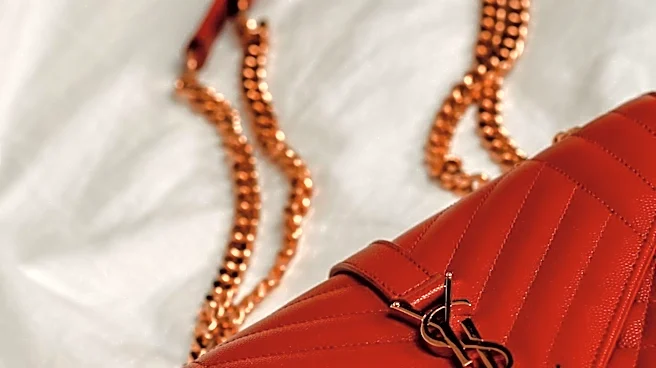
The luxury handbags resale service market is projected to experience significant growth, with a compound annual growth rate (CAGR) of 6.7% from 2026 to 2033. This expansion is expected to increase the market's value from an estimated $12.4 billion to $20.9
billion. The growth is primarily driven by evolving consumer preferences towards circular fashion and sustainability, with Millennials and Generation Z leading the demand for authenticated, pre-owned luxury items. These consumers view iconic pieces from brands like Hermès and Chanel as investment assets. The market is also seeing an increase in supply as luxury owners clear their closets, while demand is fueled by price sensitivity and the desire for rare items. The formalization of resale through certified pre-owned programs by luxury brands further underpins this steady growth.
Why It's Important?
This projected growth signifies a major shift in the U.S. retail landscape, indicating a strong and sustained consumer interest in the circular economy and sustainable fashion practices. For luxury brands, the expanding resale market presents both opportunities and challenges. It offers a new revenue stream and a way to engage with a younger, more eco-conscious demographic, but also requires robust authentication processes to maintain brand integrity and combat counterfeits. The emphasis on authentication technology, such as AI-driven verification and blockchain provenance, is crucial for building consumer trust and reducing fraud risk. The market's expansion also impacts economic stakeholders by creating new business models, fostering competition among established platforms like The RealReal and Vestiaire Collective, and encouraging innovation in digital tools for product discovery and transaction efficiency.
What's Next?
The luxury handbags resale market is expected to continue its trajectory of robust growth, with a focus on hyper-personalization and digital-first experiences. This will likely include the integration of AI-driven valuation tools and virtual try-ons to enhance the online shopping experience. Growth is anticipated to expand beyond traditional Western markets into Asia and the Middle East, driven by rising affluence and digital adoption. Resale platforms are also expected to evolve into comprehensive ecosystems, offering services beyond just buying and selling, such as repair, rental, and trade-in options. This will solidify their position as permanent fixtures in the broader luxury retail landscape. Furthermore, regulatory factors, including EU circular economy directives and proposed FTC guidelines on second-hand labeling, will likely push for standardized transparency, further legitimizing the sector.
Beyond the Headlines
The rise of the luxury handbags resale market reflects a deeper societal shift towards conscious consumption and the redefinition of value. Beyond economic factors, this trend highlights a growing ethical dimension in consumer choices, where the environmental impact of fashion is increasingly considered. The appeal of pre-owned luxury goods as 'investment assets' also speaks to a changing perception of ownership and longevity, moving away from fast fashion's disposability. This market fosters a culture of appreciation for craftsmanship and durability, extending the lifecycle of high-quality items. The technological advancements in authentication and digital platforms are not just about efficiency; they are about restoring trust in a market historically plagued by counterfeits, thereby empowering consumers to make more informed and sustainable choices. This evolution could set a precedent for other consumer goods sectors to embrace circular models.