





What's Happening?
Actress Jenny McCarthy has publicly shared details of a two-year health struggle, which she attributes to mold and mycotoxin poisoning. On her 'Jenny McCarthy Wahlberg Show' podcast, she described a 'fricking insane' period involving numerous doctor visits,
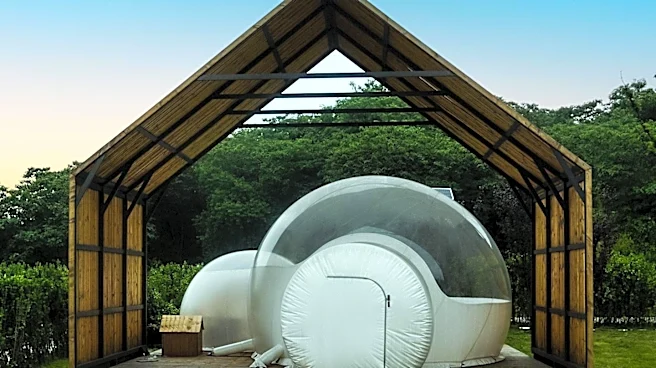
surgeries, dental procedures, and the emergence of mysterious growths. McCarthy stated that her immune system was battling a significant underlying issue. The severity of her condition led her to take drastic measures, including living in a tent to avoid further exposure to mold. She recounted a functional medicine doctor warning her about the potential for seizures if the mold toxins crossed the blood-brain barrier. McCarthy is currently in her seventh month of a 'mold detox' and remains too paranoid to live anywhere other than her tent.
Why It's Important?
This personal account from a public figure like Jenny McCarthy highlights the often-overlooked and severe health implications of environmental factors such as mold exposure. Her story could raise public awareness about mycotoxin poisoning, a condition that can be difficult to diagnose and treat, potentially leading to chronic and debilitating symptoms. For individuals experiencing unexplained health issues, McCarthy's experience might encourage them to consider environmental factors and seek specialized medical advice. The narrative also underscores the emotional and physical toll chronic illness can take, even leading to unconventional living arrangements in pursuit of healing. This could prompt discussions within the healthcare community about better recognition and treatment protocols for environmentally induced illnesses.
What's Next?
McCarthy's continued 'mold detox' and her decision to remain in a tent suggest a prolonged recovery process. Her public sharing of this journey may lead to increased dialogue among her followers and the broader public about environmental health hazards. It could also inspire others facing similar undiagnosed or chronic health problems to explore environmental causes and alternative treatment approaches. The story might also encourage medical professionals to consider mold and mycotoxin poisoning more readily in differential diagnoses for patients with complex, multi-systemic symptoms. Further updates from McCarthy on her health and living situation are likely to be followed by those interested in her recovery and the broader implications of environmental health.
Beyond the Headlines
McCarthy's experience touches upon the broader societal challenge of environmental health and the often-contentious debate surrounding conditions like mold toxicity, which some in the medical community still view with skepticism. Her drastic measure of living in a tent underscores a growing trend of individuals taking extreme steps to control their environment in response to perceived health threats, reflecting a distrust in conventional medical solutions or a lack of effective treatments. This situation also highlights the psychological burden of chronic illness, where individuals may feel compelled to isolate themselves or adopt unusual lifestyles to manage their symptoms. The story could contribute to a larger conversation about the need for more research, recognition, and integrated approaches to environmental medicine within mainstream healthcare.