


What's Happening?
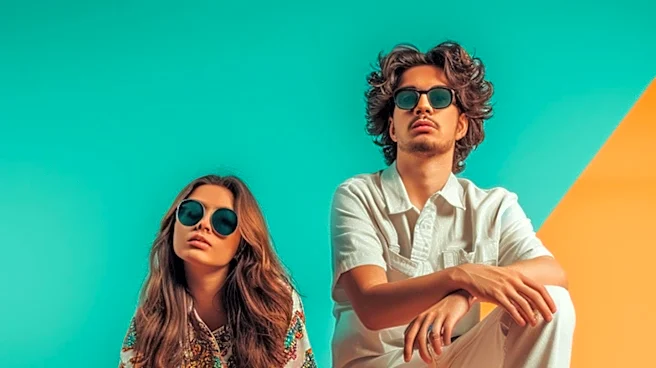
Gen Z is increasingly moving away from fleeting fashion micro-trends in favor of 'vibe-based' fashion, where the overall aesthetic and silhouette are prioritized over strict adherence to specific trends. This shift is evident in the current popularity
of Y2K fashion, which focuses on capturing the nostalgic feel and general look of the early 2000s rather than replicating exact pieces. Unlike many past micro-trends that quickly faded, the Y2K inspiration seen on platforms like TikTok is rooted in universally recognizable styles. This approach allows for more personal expression and less emphasis on the precise historical or contextual 'lore' behind a particular garment. For instance, a red zebra print halter top, originally designed to reflect a character's bleak situation in a movie, has been embraced by Gen Z simply as a 'cute top' due to its appealing vibe, demonstrating how the emotional resonance of an outfit now outweighs its original meaning.
Why It's Important?
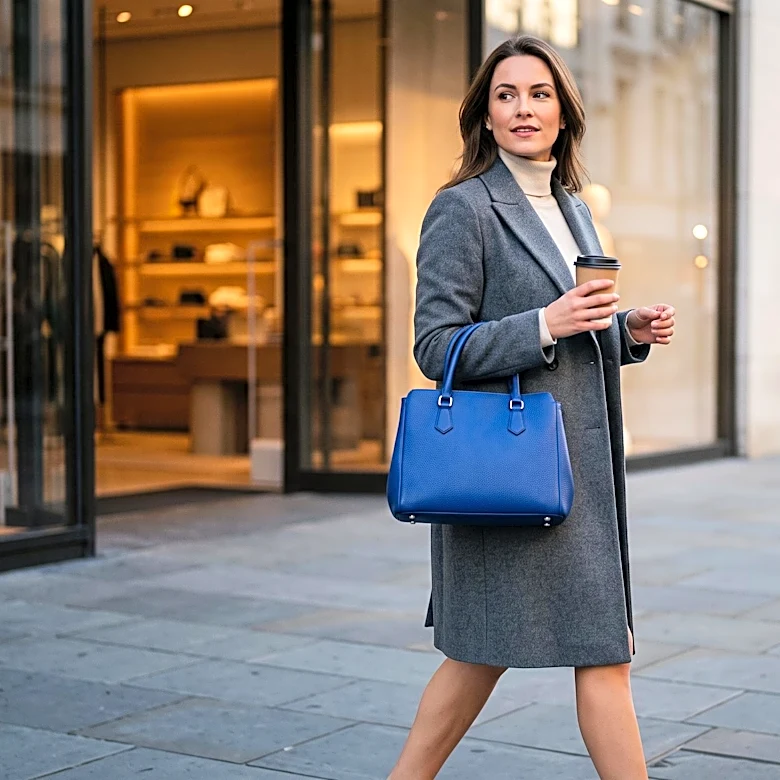
This evolution in Gen Z's fashion consumption has significant implications for the U.S. fashion industry, retailers, and marketers. The rapid cycle of micro-trends often led to overproduction, quick obsolescence, and a constant demand for new inventory. A shift towards 'vibe-based' fashion could encourage more sustainable practices, as consumers might invest in versatile pieces that contribute to a desired aesthetic rather than chasing every new, short-lived trend. This could also impact design and manufacturing, prompting brands to focus on timeless silhouettes, quality, and emotional appeal rather than novelty. Retailers might need to adapt their merchandising strategies to curate collections around broader 'vibes' or aesthetics rather than specific, transient trends. Furthermore, the influence of social media, particularly TikTok, in shaping these 'vibe-based' trends means that brands will need to engage with these platforms to understand and respond to evolving consumer preferences, potentially shifting marketing budgets towards influencer collaborations and authentic content creation that captures the desired 'vibe.'
What's Next?
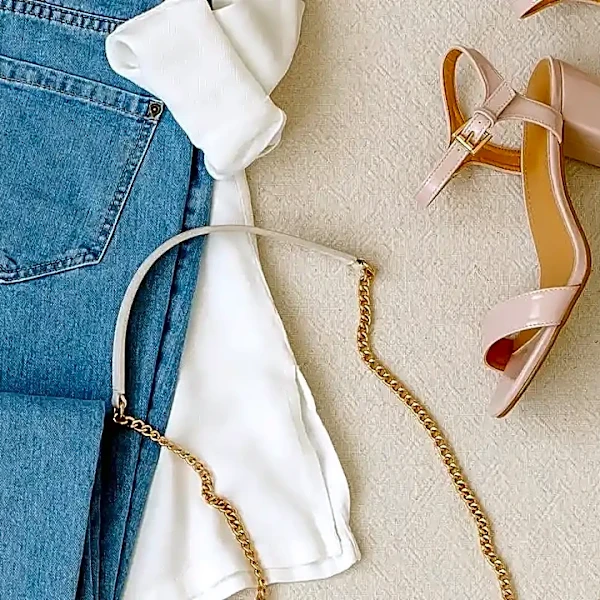
The fashion industry is likely to see a continued emphasis on authenticity and personal expression in clothing choices. Brands may increasingly focus on creating collections that evoke specific moods or aesthetics, allowing consumers to mix and match pieces to achieve their desired 'vibe.' This could lead to a decline in the rapid-fire introduction of new, highly specific micro-trends, and a greater focus on foundational pieces that can be styled in various ways. Social media platforms, especially TikTok, will remain crucial in disseminating and shaping these 'vibe-based' trends, with influencers playing a key role in demonstrating how to achieve certain aesthetics. Retailers might also explore more experiential shopping environments that help consumers discover and cultivate their personal style, moving beyond simply selling individual items. The longevity of 'vibe-based' fashion could also encourage a secondary market for vintage and pre-owned clothing, as consumers seek unique pieces that contribute to a desired aesthetic, further impacting traditional retail models.
Beyond the Headlines
The shift to 'vibe-based' fashion reflects a broader cultural trend among Gen Z towards individualism and a rejection of rigid categories. This approach to style can be seen as a form of self-curation, where clothing becomes a tool for expressing identity and mood rather than conforming to external dictates. It also highlights the power of emotional connection in consumer choices; for Gen Z, how an outfit 'feels' or the 'energy' it conveys is often more important than its brand, price, or even its original design intent. This could lead to a more democratic fashion landscape, where personal interpretation and creative styling are valued over high-end labels or designer pronouncements. Furthermore, the emphasis on 'vibe' over 'lore' suggests a detachment from historical context in favor of immediate aesthetic gratification, potentially influencing how cultural artifacts and trends are perceived and reinterpreted by younger generations.