



What's Happening?
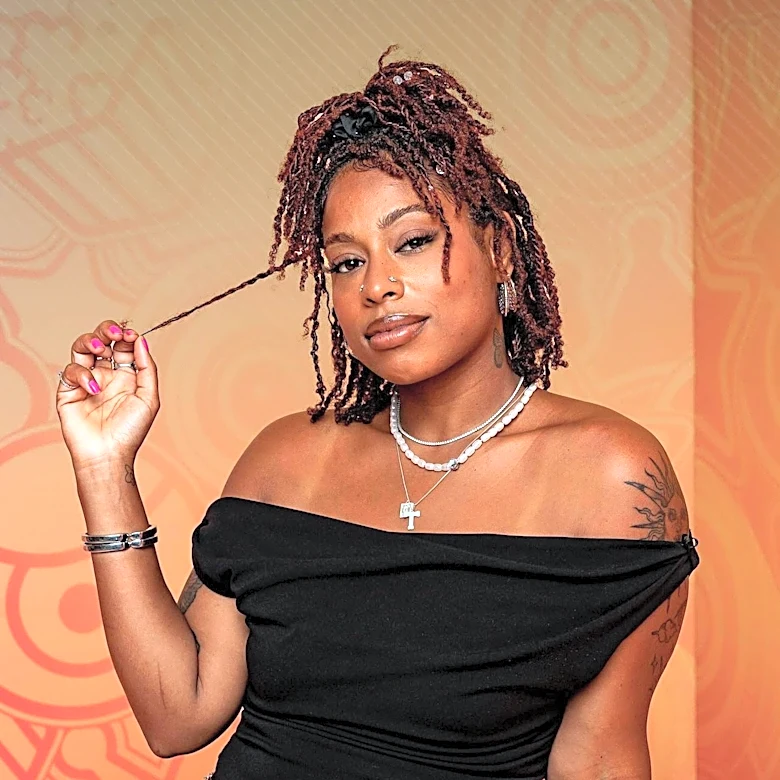
Actor Cara Jade Myers' battle with breast cancer profoundly altered her personal style, leading her to embrace a more fearless approach to fashion. Following her diagnosis, Myers underwent a double mastectomy and reconstructive surgery. This period of physical
transformation and healing initially left her feeling disconnected from her body and struggling with her wardrobe, as her usual clothes no longer fit due to the changes from expanders and reconstructive implants. However, as she recovered, Myers found that fashion became a way to reclaim her sense of self and express a newfound confidence. She realized that surviving cancer empowered her to be more daring in her clothing choices, shedding previous anxieties about standing out.
Why It's Important?
This story highlights the significant psychological and emotional impact of a major health crisis like cancer, extending beyond the medical treatment to affect personal identity and self-expression. For many, clothing is a vital part of identity, and Myers' experience demonstrates how physical changes can disrupt this connection. Her journey underscores the resilience of the human spirit and the power of personal style as a tool for healing and self-reaffirmation. It also brings attention to the often-overlooked aspects of recovery, such as adapting to a changed body image and finding new ways to feel comfortable and confident. Her public sharing of this experience can serve as an inspiration for others facing similar challenges, showing that it's possible to find strength and joy in self-expression even after profound life changes.
What's Next?
Cara Jade Myers' continued journey in the public eye, particularly on red carpets and in her acting career, will likely showcase her evolving personal style, further inspiring others. Her story may encourage more open conversations about body image, self-acceptance, and the role of fashion in post-illness recovery. It could also lead to increased awareness and support for individuals navigating similar physical and emotional transformations. The fashion industry might also take note, potentially influencing designers and brands to create more inclusive and adaptable clothing options that cater to diverse body types and needs, including those of cancer survivors. Her narrative contributes to a broader cultural shift towards celebrating authenticity and resilience in personal expression.
Beyond the Headlines
Myers' experience delves into the deeper cultural and psychological dimensions of body image and societal expectations, particularly for women in the public eye. Her initial concern about 'standing out' and 'making herself smaller' reflects common pressures to conform to certain beauty standards. Her cancer journey, however, served as a catalyst to challenge these norms, leading to a liberation in her personal style. This narrative subtly critiques the superficiality often associated with fashion, repositioning it as a powerful medium for personal agency and emotional well-being. It also highlights the importance of self-compassion and self-love in the face of adversity, suggesting that true confidence comes from within, rather than from external validation. Her story is a testament to how profound life events can reshape one's relationship with their body and identity, fostering a more authentic and empowered self.