



What's Happening?
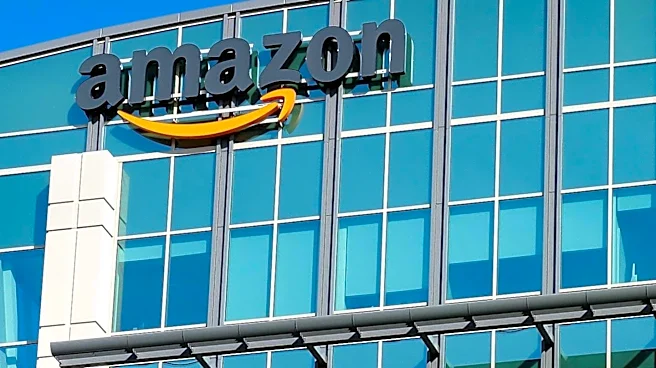
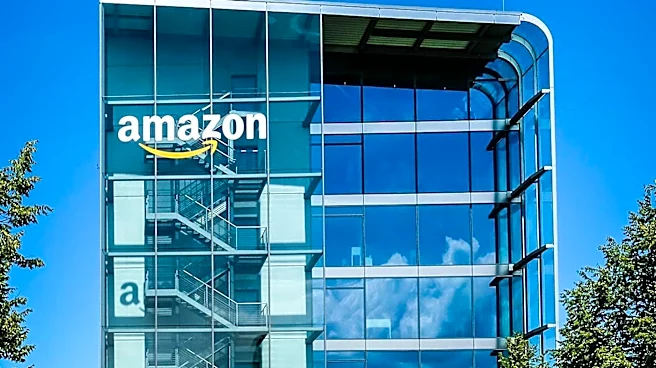
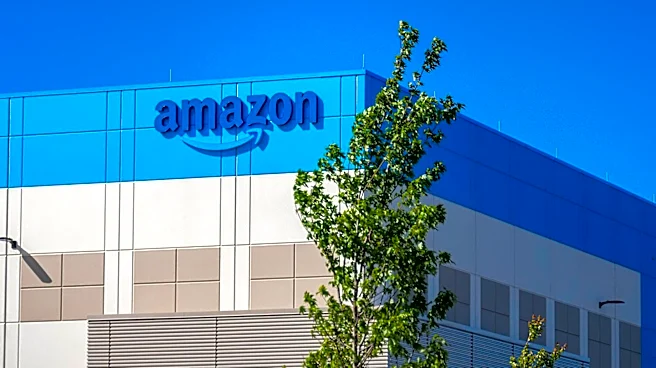
Amazon is subleasing approximately 375,000 square feet of office space at 1 Boston Wharf Road, a 17-story building in Boston's Seaport District. The company had initially planned to fully occupy this building next year. This decision follows Amazon CEO
Andy Jassy's move to shift the leadership of the company's Alexa AI development from Boston to Seattle less than a year ago, leading to the departure of Rohit Prasad, who previously headed the group in the Seaport. While Amazon still occupies an adjacent 480,000 square feet at 111 Harbor Way, this partial exit from the new building marks a significant change from its earlier plans to hire 3,000 people in the area. The initial lease for the 111 Harbor Way property was tied to approximately $25 million in state and city tax breaks in exchange for job creation, but no similar agreement was in place for the 1 Boston Wharf office.
Why It's Important?
This move by Amazon is a significant indicator of the uneven recovery of Boston's office market post-pandemic. As a major tech giant with a market capitalization of $2.76 trillion, Amazon's decision to reduce its planned office footprint sends a strong signal about the evolving demand for commercial real estate, particularly in the tech sector. The availability of such a large sublease contributes to the approximately 2.3 million square feet of office space currently available for sublease in Boston, with about 900,000 square feet concentrated in the Seaport District. This trend could impact property values, rental rates, and future development plans in the area. While some businesses are encouraging a full return to office, Amazon's action highlights that not all companies are following a linear path back to pre-pandemic office occupancy levels, potentially affecting local economies and urban planning strategies.
What's Next?
The subleasing of this significant portion of 1 Boston Wharf Road will likely increase the supply of available office space in the Seaport District, potentially leading to more competitive rental markets for other businesses. The future of the remaining space at 1 Boston Wharf, which is slated to include a 500-seat theater and a 100-seat black box theater, remains to be seen regarding its opening timeline. Additionally, the smaller office Amazon currently occupies at 111 Harbor Way is expected to house a small-format Whole Foods grocery store, though the opening date is not yet announced. The broader implications for Boston's commercial real estate market will depend on how other major companies adjust their office strategies and whether the demand for physical office space stabilizes or continues to shift towards more flexible models.
Beyond the Headlines
Amazon's decision to scale back its physical presence in Boston's Seaport District could reflect a broader re-evaluation of corporate real estate needs in the post-pandemic era, particularly for technology companies. This shift may be driven by factors such as the success of remote or hybrid work models, a desire to optimize operational costs, or a strategic reallocation of resources to other geographic locations or business priorities. The impact extends beyond real estate to urban development, as large corporate anchors like Amazon often drive ancillary businesses and residential growth. The move also raises questions about the long-term viability of large-scale urban tech hubs and the potential for a more distributed workforce model to become the norm, influencing everything from public transportation planning to local tax revenues and community development initiatives.