







What's Happening?
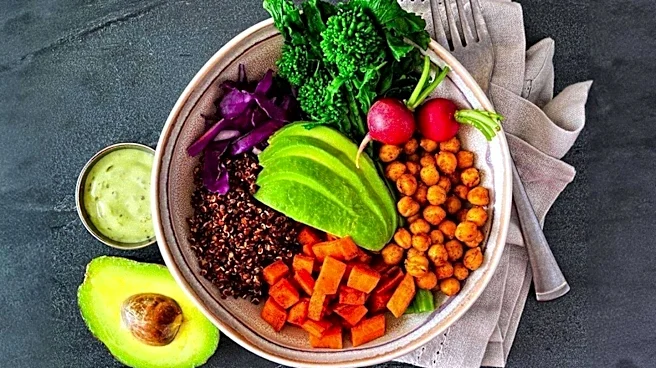
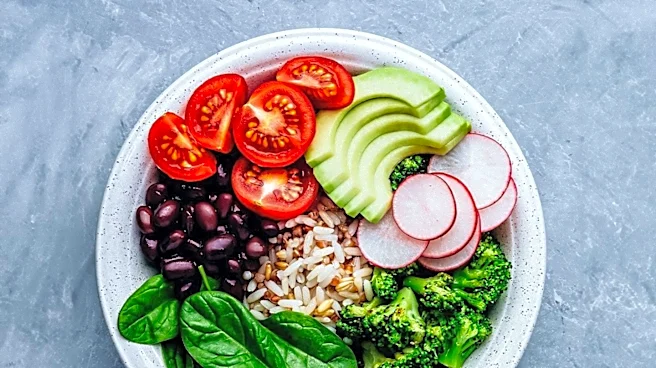
Clean eating, a dietary approach focusing on wholesome, unprocessed foods, is often associated with weight loss and the development of healthy habits. However, a critical perspective suggests that striving for perfect clean eating can inadvertently foster
food guilt and anxiety, detracting from the enjoyment and rest that meals should provide. Instead of rigid adherence to strict dietary rules, the emphasis is shifting towards consuming foods that sustain life and nourish the body, while also recognizing the role of food in fostering relationships and community. This approach encourages a broader view of dietary patterns over time, rather than scrutinizing every single morsel for its 'wholesomeness.' The goal is to move away from labeling food as morally 'good' or 'bad,' allowing for grace and flexibility in eating habits.
Why It's Important?
The shift in perspective regarding clean eating is important for public health and individual well-being in the U.S. Many Americans grapple with food-related anxieties and guilt, often fueled by rigid dietary trends. By highlighting the potential negative psychological impacts of an overly strict 'clean eating' philosophy, this discussion encourages a more balanced and sustainable approach to nutrition. Promoting food as a means of sustenance, nourishment, and relationship-building can help reduce the prevalence of disordered eating patterns and improve mental health outcomes related to food. This re-evaluation also supports a more inclusive view of healthy eating, acknowledging that occasional indulgences, such as those during vacations or celebrations, are part of a normal, healthy life and do not negate overall good eating habits. This can lead to a more peaceful and contented relationship with food for individuals and families.
What's Next?
Moving forward, the conversation around healthy eating is likely to continue evolving towards more flexible and psychologically sound approaches. Nutrition education and public health campaigns may increasingly emphasize mindful eating, intuitive eating, and the importance of a balanced perspective rather than strict dietary dogma. Healthcare professionals and dietitians are expected to guide individuals towards sustainable eating patterns that prioritize overall well-being, including mental and emotional health, over rigid adherence to 'clean' labels. There may also be a greater focus on the social and cultural aspects of food, recognizing its role in community and connection. This could lead to a broader acceptance of diverse dietary choices and a reduction in food-related shame, fostering a healthier national dialogue about nutrition.
Beyond the Headlines
The deeper implication of this discussion lies in challenging the moralization of food, a pervasive issue in modern dietary culture. By framing certain foods as 'clean' and others as 'unclean,' society often inadvertently assigns moral value to individuals based on their eating choices, leading to feelings of shame and failure. This perspective can obscure the fundamental purpose of food: to sustain life, provide nourishment, and facilitate social connection. Recognizing that food fosters relationships and provides opportunities for pause and rest, as highlighted by the source, elevates eating beyond mere caloric intake or adherence to rules. It encourages a more holistic understanding of well-being, where mental peace and social engagement are as crucial as nutritional content, potentially leading to a more compassionate and less judgmental approach to food choices across society.