







What's Happening?
The process of creating indigo dye from plants for textile use involves several stages, beginning with the cultivation and harvesting of indigo plants, typically in June and July. The cut plants are soaked in water for approximately three days, turning
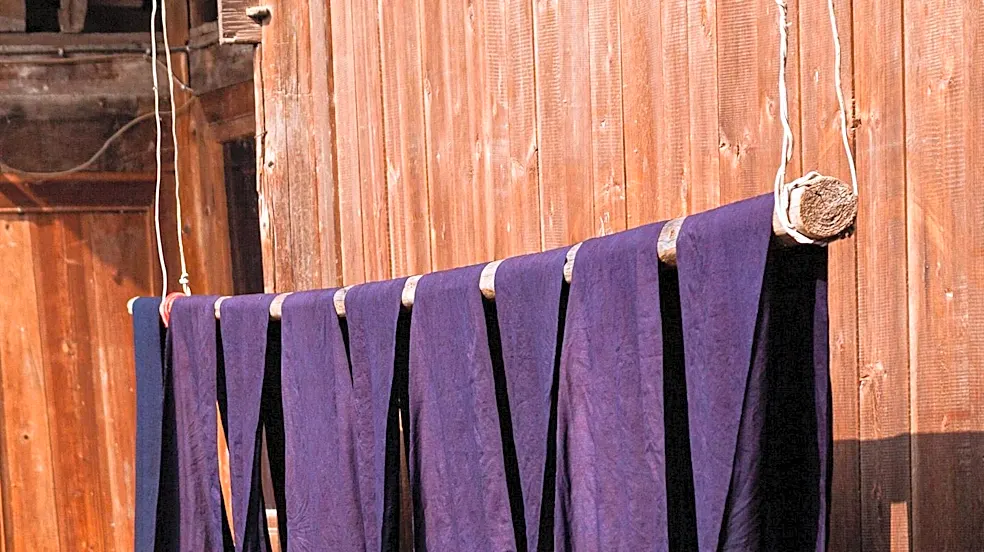
the water blue-green. Powdered lime is then added and stirred, causing a blue sediment to settle. This sediment is collected and stored as indigo paste. This paste is later mixed into a fermenting vat, often made of pine wood, where it ferments for several days to become soluble. Cloth is then repeatedly dipped into this yellowish-green solution, dried in the sun, and re-dipped over weeks. The exposure to oxygen during drying causes the dye to turn blue, deepening with each subsequent dip until the desired shade, sometimes close to black, is achieved. This traditional method is practiced by communities, such as the Hmong, who grow their own indigo plants for weaving.
Why It's Important?
This detailed explanation of indigo dyeing highlights the intricate, labor-intensive, and time-honored craft behind a globally recognized color. The process underscores the importance of traditional knowledge and sustainable practices in textile production, as communities cultivate their own plants and manage the fermentation process. For consumers, understanding this method can foster appreciation for handmade goods and natural dyes, contrasting with industrial synthetic dyeing processes. Economically, this traditional craft supports local artisans and communities, providing a source of income and preserving cultural heritage. The reliance on natural resources and specific environmental conditions for plant growth also emphasizes the connection between traditional crafts and ecological stewardship. The multi-stage process, from plant to finished textile, showcases a holistic approach to material creation that is increasingly valued in discussions about ethical consumption and slow fashion.
What's Next?
The continued practice of traditional indigo dyeing methods suggests a future where these artisanal skills are preserved and potentially integrated into modern design and fashion. Workshops, such as those offered in Ta Van, allow visitors to experience and learn about the process, contributing to its cultural transmission and economic viability through tourism. As interest in sustainable and natural products grows, there may be increased demand for textiles dyed using these traditional methods, potentially leading to expanded markets for artisan communities. However, challenges such as maintaining consistent plant supply, managing the labor-intensive process, and competing with mass-produced alternatives will likely persist. Efforts to document and share these techniques, as seen in the detailed descriptions, are crucial for ensuring the longevity of this craft and its cultural significance.
Beyond the Headlines
Beyond the practical steps of dyeing, the indigo process reveals deeper cultural and historical implications. The strong smell of fermentation from the vats and the stained hands of the women who manage them are not merely byproducts but symbols of a living tradition and the intimate connection between the artisan and their craft. The use of specific materials like hemp linen and the integration of beeswax batik patterns before dyeing illustrate a comprehensive artistic and cultural system where each element contributes to the final product's identity. The fact that different communities, like the Hmong and Giay, use indigo but distinguish their textiles through decoration, highlights the nuanced cultural expressions embedded within a shared practice. This craft is not just about coloring fabric; it's about identity, community, and the transmission of knowledge across generations, reflecting a profound relationship with nature and heritage.